
Reviewed · NATIONAL GALLERY TOURS
London: National Gallery of London Masterpieces Guided Tour
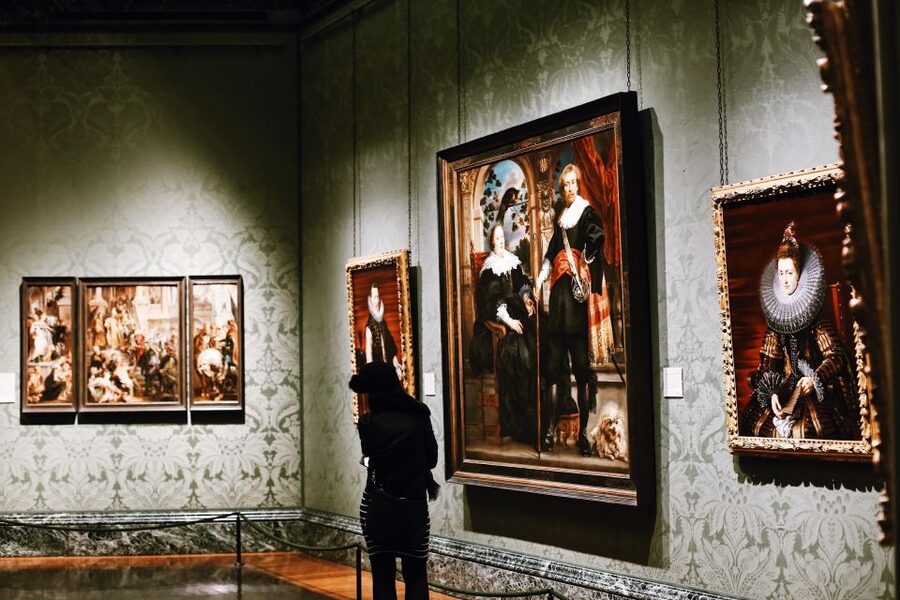
The National Gallery holds paintings spanning centuries, and this tour gives you a clear thread to follow through them. Instead of trying to tackle the collection on your own, you move between works by Botticelli, da Vinci, Vermeer, Van Gogh, and others with a guide explaining what to look for and how painting changed over time.
I like two things in particular: the small group limit of eight, which leaves room for questions, and the mix of famous paintings with useful context about technique, symbols, and artistic rivalries. Guides including Jake, Matilda, and Stephanie have been praised for making the subject engaging for adults and teenagers alike.
One consideration: 2.5 hours is a brisk visit, not a full tour of the gallery. The museum can also be noisy, and one visitor wished for headsets, so ask your guide to repeat a point if you miss it.
- A seven-century art story: Follow painting from the 1300s through later styles, rather than seeing famous works as isolated stops.
- Major names, close up: The tour may include Botticelli, da Vinci, Vermeer, Van Gogh, Monet, Rembrandt, and Seurat.
- A compact group: Shared tours have no more than eight people, with a minimum of two.
- Guides who make art approachable: Jake, Matilda, Stephanie, Becky, and Alex have each been praised for lively explanations and a welcoming manner.
- A focused visit: Expect 2 to 2.5 hours, with only a small amount of walking.
- A few practical limits: Bring ID, leave large bags behind, and request a wheelchair-friendly tour in advance.
A guided route through seven centuries of painting
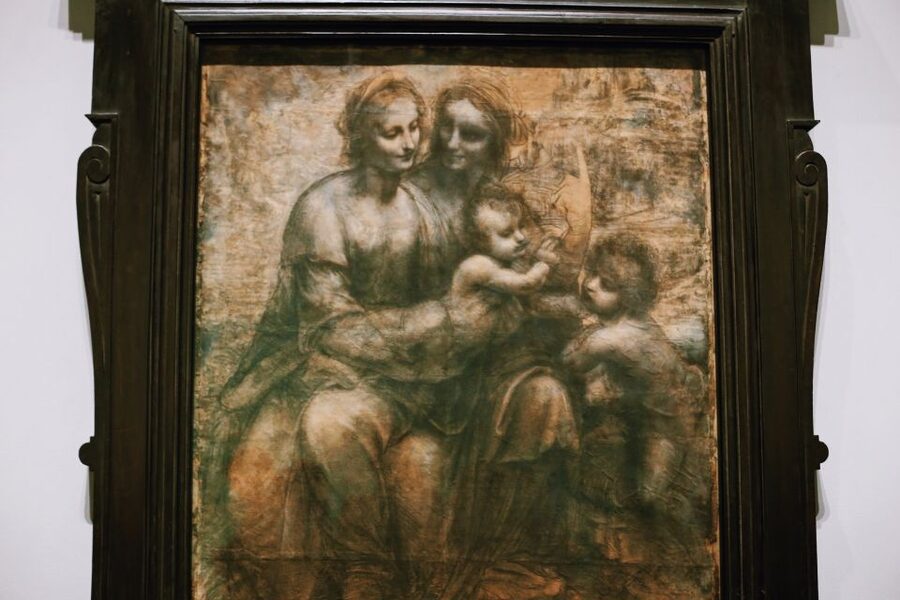
The National Gallery’s collection begins in the 1300s, so a guided visit can do more than tick off famous canvases. It can show you how artists’ aims and methods shifted over time, from devotional images to the changing styles of later centuries.
That historical thread is the tour’s chief advantage. A painting can be beautiful on its own, but it becomes more interesting when you understand what its artist was trying to do, how its symbols work, or how its style differs from the painting beside it. Your guide supplies that context while choosing highlights from a collection too large to cover in one short visit.
The route is not described as a fixed sequence, so the exact order and selection may vary. The works named for the experience give you a good sense of its range: Botticelli’s Venus and Mars, da Vinci’s The Virgin of the Rocks, Vermeer’s Lady Standing at a Virginal, Van Gogh’s Sunflowers, and Seurat’s Bathers at Asnières. Raphael’s early devotional paintings and Velázquez’s Rokeby Venus are also mentioned.
These are not just a list of famous names. Together, they let a guide compare subject, style, and approach across different periods. You can see how a sacred image differs from a mythological scene, then consider how later painters used colour and composition in new ways.
Botticelli, da Vinci, and the older masters

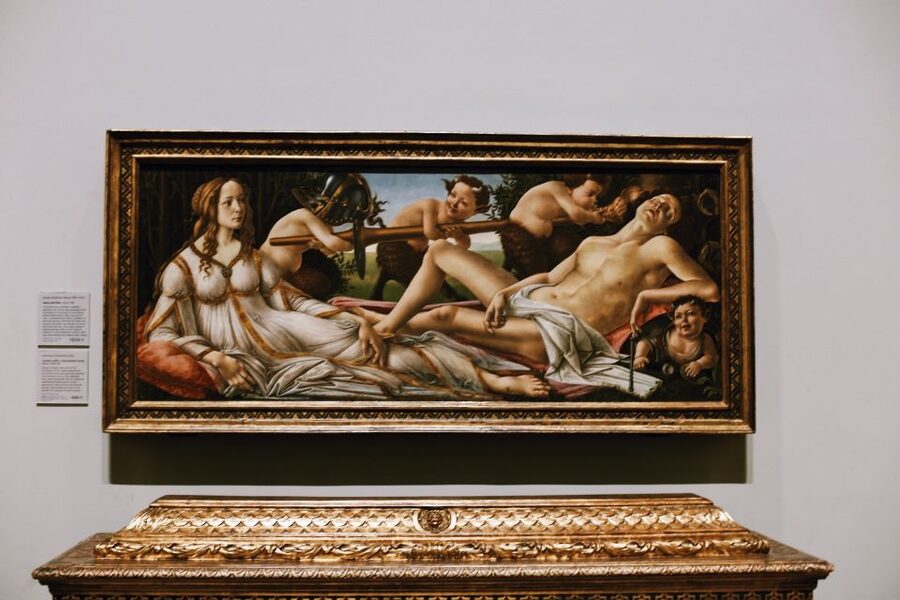
Botticelli’s Venus and Mars offers a strong early stop because its mythological subject invites questions about symbolism and storytelling. Your guide can help you look past the familiar figures and notice how the painting communicates its ideas through detail and arrangement.
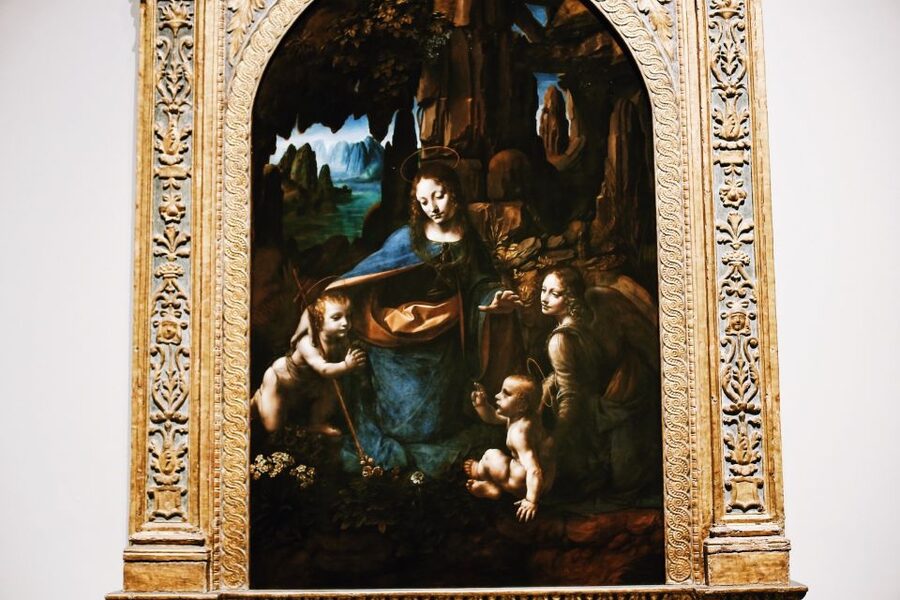
Da Vinci’s The Virgin of the Rocks is another central work. The guide can set it in the wider story of painting and point out details that are easy to overlook when you are simply moving through a crowded room. For a first-time visitor, that focused attention can be the difference between recognising a masterpiece and understanding why it matters.
The tour may also include early devotional paintings by Raphael. These provide a contrast with mythological subjects and help you see how religious art served a different purpose. The useful part is not just learning a date or name, but comparing how artists handled subject, technique, and mood.
Vermeer’s Lady Standing at a Virginal adds another kind of close looking. A guide can explain the history of the work and draw your attention to choices you might otherwise pass by. In a gallery full of pictures competing for attention, it helps to have someone narrow the focus for a few minutes.
The tour also refers to Velázquez’s Rokeby Venus. It is one more chance to consider how an artist approaches the human figure and how a particular work fits into the larger collection. You will not have time to study every canvas at length, but a well-chosen stop gives you a stronger framework for exploring more on your own afterward.
More National Gallery visits in London:
- London: National Gallery Guided Tour with Art Expert Guide
★ 4.7 · 440 reviews - National Gallery of London Museum Tour Semi-Private 8ppl Max
★ 5.0 · 178 reviews - British Museum & National Gallery of London Semi-Private 8ppl Max
★ 5.0 · 168 reviews
From Monet and Rembrandt to Van Gogh and Seurat
Later works broaden the story beyond the early masters. Monet and Rembrandt are among the artists whose stories may feature, while Van Gogh’s Sunflowers gives the group a familiar image to examine with fresh attention. Your guide can connect the painting to its history and explain what to notice in its style.
Seurat’s Bathers at Asnières offers a chance to consider a change in painting style. The tour frames it as a leap forward from earlier works, so you can compare what has changed rather than treating each painting as a separate lesson. That kind of comparison is particularly useful if you are new to art history.
The mix matters. A tour that sticks only to the most famous names can feel like a checklist; one that gives you a timeline and room to compare works can help you make sense of the gallery as a whole. Here, the stated aim is to move from art of the 1300s toward later developments, using particular paintings to explain the shift.
You should still think of this as an introduction, not a complete survey. The National Gallery has more to see than any 2.5-hour route can accommodate. If a work grabs you, note its name and return to it after the tour, or use the guide’s explanation as a starting point for your own visit.
The guide makes the difference

The experience depends heavily on the person leading it. The strongest descriptions of the tour’s appeal focus on guides who know their subject, speak clearly, and invite people to take part rather than delivering a string of dates. Jake, Matilda, Stephanie, Becky, Alex, and Kathy are among the guides praised by name.
Several accounts describe Jake as engaging and easy to understand, including for people whose first language is not English. Stephanie has been noted for drawing a whole group into discussion, while Matilda has been praised for linking individual paintings to broader changes in art. These are useful qualities in a museum: a guide needs to make complex material clear without flattening it into a lecture.
The tour can also suit families with teenagers. One family described the guide as sparking their daughters’ curiosity, which is a good sign if you are hoping to keep younger visitors involved. The stories, symbols, techniques, themes, and rivalries give a guide several ways to hold attention beyond simply naming the painter.
There is one practical caveat. The museum can be noisy, and one visitor found it harder to hear clearly in the crowded galleries and suggested Bluetooth headsets would help. Headsets are not listed as included, so if you have hearing concerns, stay close to the guide and ask them to repeat anything you miss. One visitor with hearing aids said the guide was easy to understand, but that cannot guarantee the same conditions on every tour.
Small group, private tour, and pace
You can book either a private tour or a shared small-group option, with a maximum of eight people. That cap is a real benefit in a museum setting: you have a better chance of seeing the work without standing behind a large crowd, and there is more room to ask questions or share an observation.
Shared tours require at least two participants. If that minimum is not met, you may be offered another date or a full refund. If you want a more personal pace or are travelling as a group, the private option may suit you better, though the supplied price is $112 per person and does not specify separate private-tour pricing.
The tour lasts 2 to 2.5 hours, with a small amount of walking. That is long enough to explore a meaningful selection of works, but short enough to fit into a busy London day. It is also a good choice if you prefer a guided introduction before spending additional time in the gallery independently.
Tours are offered daily, but starting times depend on availability. The meeting point can vary by option, so check your booking details rather than assuming every tour begins in the same place. The guide speaks English.
More museum visits in London:
- Tower of London and Crown Jewels Exhibition Ticket
★ 4.5 · 6,677 reviews - London: Chelsea Football Club Stadium and Museum Tour
★ 4.8 · 4,576 reviews - Chelsea FC Stadium Tours and Museum
★ 5.0 · 1,908 reviews - London: British Museum Guided Tour
★ 4.3 · 1,182 reviews
Is $112 good value?
At $112 per person, this is not a budget museum visit. You are paying for a professional guide and a focused, small-group experience, not for transport, meals, or temporary exhibitions. The value depends on how much you want expert interpretation and how comfortable you are finding your own way through a large collection.
If you already know the National Gallery well and prefer to wander at your own pace, you may not need a guided tour. But if you want to understand why particular paintings matter, or if a long list of rooms and artists feels overwhelming, a guide can make your limited time more rewarding. Several guides are praised for explaining context, inviting questions, and bringing paintings to life, which is the core of what you are paying for.
The tour’s strongest value is its structure. You get a historical path through selected works rather than a rushed attempt to see everything. For a first visit, or for someone who wants a clearer framework before exploring independently, that can be a sensible use of both time and money.
What to bring and what to know before booking
Bring a passport or ID card. Large bags and luggage are not allowed, so leave them elsewhere before arriving. Food and drinks are not included unless specifically stated, and temporary exhibitions are excluded.
A small amount of walking is involved. Wheelchair-friendly tours are available only on request, while the activity information also lists the tour as not suitable for wheelchair users. If you need step-free or wheelchair access, contact the provider before booking to confirm whether the tour can meet your needs.
You can cancel up to 24 hours in advance for a full refund, and the reserve-now, pay-later option lets you hold a place without paying immediately. Those terms offer flexibility, but check the exact conditions and meeting point for the option you choose.
Who should book this National Gallery tour?
I would recommend it to first-time visitors who want a clear introduction to the collection, art lovers who enjoy hearing the stories behind familiar works, and families looking for a museum visit that gives teenagers something to discuss. The small-group cap is especially appealing if you value questions and conversation over a large, formal tour.
It may be less suitable if you want to explore every room at your own pace, need a long time in front of each painting, or are looking for a low-cost visit without a guide. The pace is focused, the selection is necessarily limited, and the tour is in English.
If you want a well-organised way to meet the National Gallery’s major artists and follow how painting changed across the centuries, this is a strong option. Book it for the guide’s interpretation, not for the promise of seeing everything. Then leave yourself time afterward to return to the paintings that caught your eye.
FAQ
How long does the National Gallery tour last?
The tour takes 2 to 2.5 hours. A small amount of walking is involved.
Is the tour private or shared?
You can choose a private tour or a small-group tour. Groups have a maximum of eight people, and shared tours require at least two participants.
What language is the tour in?
The live tour guide speaks English.
Which paintings might I see?
Named works include Botticelli’s Venus and Mars, da Vinci’s The Virgin of the Rocks, Vermeer’s Lady Standing at a Virginal, Van Gogh’s Sunflowers, and Seurat’s Bathers at Asnières. The exact selection may vary.
What should I bring, and what is not allowed?
Bring a passport or ID card. Luggage and large bags are not allowed.
Are wheelchair-friendly tours available?
Wheelchair-friendly tours are available upon request only. The activity is also listed as not suitable for wheelchair users, so contact the provider before booking to confirm whether your needs can be accommodated.
Just reviewed in London
- Top London Sights Tour – Christmas Day Special!★ 5.0 · 12 reviews
- British Museum & Camden Town – Private Tour in Italian★ 4.8 · 26 reviews
- Tour in Italian: Londra in un Giorno★ 4.9 · 20 reviews
- London: Royal Hampton Court Guided Tour with Afternoon Tea★ 5.0 · 67 reviews
- The Royal Express, 2.5 hour tour★ 5.0 · 6 reviews
- The London Historic Pubs Tour★ 4.0 · 3 reviews
- The Original London Street Art Tour (French)★ 4.9 · 64 reviews
- London: 3-Hour Sunset Bike Tour★ 4.7 · 77 reviews
National Gallery Tours, compared.
National Gallery Guided Tour with Art Expert Guide
Read our review →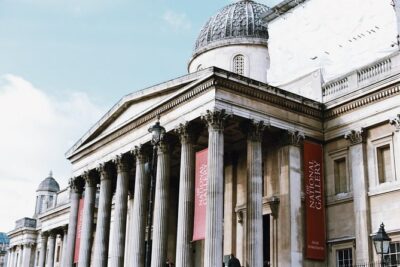
National Gallery of London Museum Tour Semi-Private 8ppl Max
Read our review →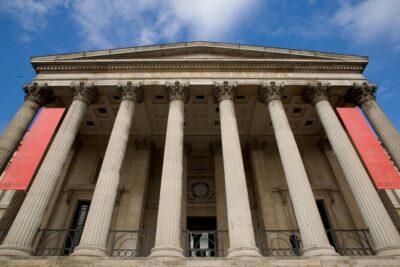
Official National Gallery Highlights Guided Tour
Read our review →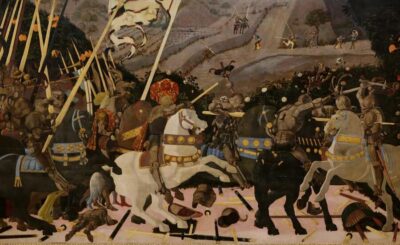


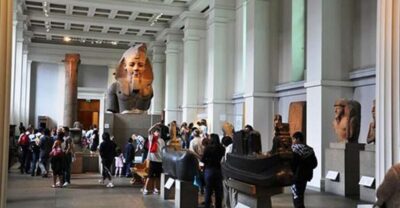
British Museum & National Gallery Highlight Tour 8 guests 5h
Read our review →Browse the lists this tour appears in