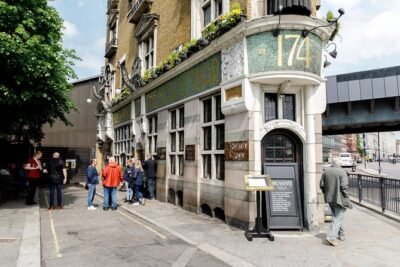
Reviewed · LONDON TOURS
Handel Hendrix House General Admission
At 25 Brook Street, a creaking 250-year-old staircase leads into the rooms where Handel composed Messiah. Two centuries later, the same London address became part of Jimi Hendrix’s story: his nearby flat was, by his own account, the first place he had called home. Few small museums put these musical worlds so close together.
I like two things in particular: you can explore at your own pace, and the contrast between Handel’s working home and Hendrix’s recreated room gives the visit a clear sense of time and place. Musicians may be practicing in Handel’s rooms, adding an unusual live note to the museum.
The main consideration is the building itself. You’ll climb an old staircase, and the Hendrix flat is on the third floor, so this may not suit everyone. Opening hours are limited to Wednesday through Sunday, and last admission is at 4 pm.
- Handel wrote Messiah here: His restored music rooms offer a look at home life as well as work.
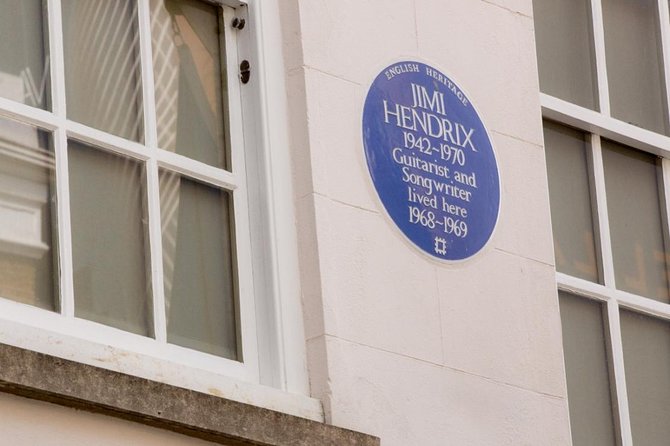
- Hendrix’s flat is next door: See a recreation of the main room where he lived from 1968 to 1969.
- The staircase is part of the visit: The 250-year-old steps are charming, but worth considering before you book.
- Live music is possible: Musicians sometimes practice or play in Handel’s rooms.
- Allow one to two hours: The ticket covers both parts of the museum, explored without a fixed tour schedule.
- Check the opening days: The house is open Wednesday through Sunday, 10 am to 5 pm, with last admission at 4 pm.
Two musical lives on Brook Street
Handel Hendrix House brings together two musicians who lived at 23 and 25 Brook Street, in different centuries and very different London scenes. George Frideric Handel lived in his house from 1723 until his death in 1759. Jimi Hendrix lived in the flat next door from 1968 to 1969.
That pairing is more than a clever museum concept. Handel’s rooms show the daily setting behind a major figure in Baroque music, while Hendrix’s flat connects a global rock star to a modest domestic space. You move from an eighteenth-century composer’s workplace to a room associated with the late 1960s, and the change in period is immediate.
The museum is compact enough to visit without giving up half a day. Plan on roughly one to two hours, depending on how closely you read the displays and how long you linger in the rooms. Since admission is self-paced, you can take your time with the material that matters most to you.
Climbing into Handel’s music rooms
The visit begins at Handel’s house, where an old, uneven staircase takes you upstairs. The stairs are a memorable part of the setting, but they are also a practical consideration. If climbing is difficult for you, contact the museum before booking to check what arrangements, if any, are possible. The available information does not specify step-free access.
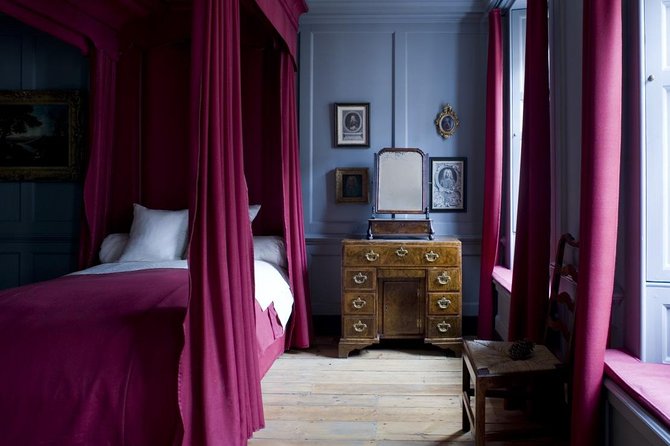
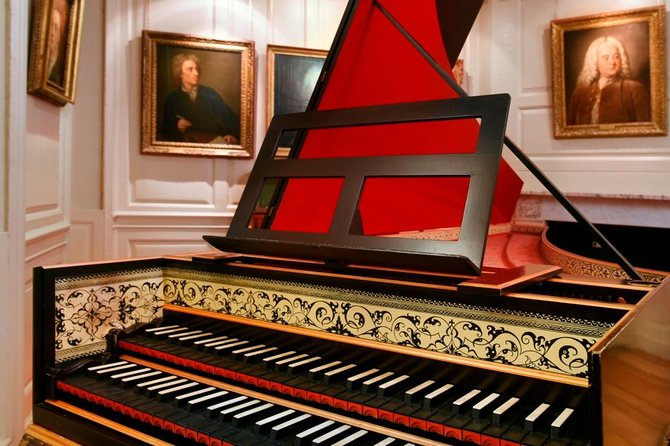
Inside, restored rooms help you picture Handel at work. He composed, rehearsed, performed and met musical figures of his day here. The house is not simply a display of objects behind glass: its rooms make the connection between a person’s living space and creative life easier to grasp.
The most famous work linked to the house is Messiah. Knowing that Handel wrote it here gives the music rooms a special focus, even if you arrive more interested in Hendrix. It’s a useful reminder that major works often begin in ordinary rooms, among the practical routines of a working musician.
There’s also a more theatrical story attached to the windows. Handel was said to threaten to throw opera stars out of them when they refused to sing his arias. It brings a little personality to the history, and gives you a reason to look out from the same rooms where he dealt with performers.
More tours and experiences in London:
- London: The London Eye Entry Ticket
★ 4.6 · 35,875 reviews - From London: Harry Potter Warner Bros Studio Tour
★ 4.7 · 26,588 reviews - Magical London: Harry Potter Guided Walking Tour
★ 4.7 · 22,044 reviews
Listening for music in Handel’s house

One of the house’s particular pleasures is that music may be happening while you visit. Harpsichord playing is part of the atmosphere, and musicians sometimes rehearse or perform in the rooms. On some visits, you might hear strings or an opera singer warming up, though live music is not guaranteed.
That possibility changes the feel of the museum. A room associated with composition and performance becomes more than a set of period interiors when you hear instruments in it. If music is underway, pause and listen. It can be a rare chance to experience the house as a place where music is still made, not only remembered.
Staff can also add useful context as you move through. The museum is self-guided, so you are not following a named tour leader or fixed script. But staff members have been praised for taking time to explain the history and answer questions. If you are curious about a detail, it is worth asking rather than rushing from room to room.
The bedroom and Handel’s final years
The house includes Handel’s dressing room and bedroom, where he died. These rooms shift the focus from public success to private life. They also help make the home feel personal: the composer is not only a name attached to Messiah, but someone who slept and worked in the same rooms you are walking through.
Temporary exhibitions may add material on Handel, his work and his contemporaries. What is on display can change, so the permanent rooms are the reliable center of the visit. If you have a strong interest in a particular aspect of his life, check the museum’s current exhibition details before you go.
The rooms are modest in scale, which is part of their value. You are not touring a grand palace built to impress. Instead, you get a closer view of a musician’s home and working environment, in a residential London street.
Crossing into Hendrix’s late-1960s flat
On the third floor, the museum turns to Jimi Hendrix. He lived in the nearby flat with his girlfriend Kathy Etchingham from 1968 to 1969. Hendrix described it as the first place he had called home, a detail that gives the small flat a personal meaning beyond its connection to fame.
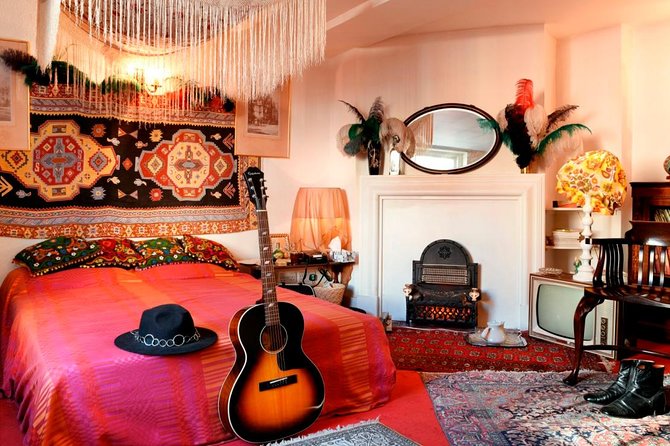
The main room has been recreated to reflect how Hendrix had it. The display is designed to suggest everyday life as well as music, putting his London years into a domestic setting. It also links him to the city that embraced him and helped make him famous.
For Hendrix fans, the flat is likely to be the emotional center of the visit. You can look closely at the space and imagine the contrast between his public life and this more private address. For visitors who know less about his story, the displays offer a compact introduction to his life in London and the late-1960s scene.
The recreation was made with input from Kathy Etchingham, Hendrix’s girlfriend during that period. That consultation matters because a carefully recreated room can otherwise feel like a guess. Here, the involvement of someone who shared the flat adds a grounded personal perspective.
Fancy a different kind of day out?
- London: Madame Tussauds London
★ 4.6 · 20,915 reviews - Stonehenge, Windsor Castle, and Bath from London
★ 4.5 · 18,662 reviews - London: Tower Bridge Entry Ticket
★ 4.7 · 15,560 reviews - London Big Bus Hop-On Hop-Off Tour with Optional River Cruise
★ 3.5 · 10,803 reviews
Instruments, effects and the details worth noticing
The Hendrix displays include an Epiphone acoustic guitar and Roger Mayer’s Octavia. The material explains Hendrix’s use of effects and why they mattered to his sound. If you are interested in how a musician shaped a distinctive style, take time with these details instead of treating the room as a quick photo stop.
Even if you are not an equipment expert, the objects help explain Hendrix’s work in practical terms. The guitar and effects display connect the person in the flat with the performer heard on recordings. Together with the recreated room, they make the Hendrix section more than a collection of memorabilia.
Handel and Hendrix are very different musical figures, and the museum does not need to pretend otherwise. The appeal is in seeing their lives side by side: one composer at work in eighteenth-century London, one guitarist making a home in the city in the late 1960s. The close setting makes the comparison feel natural rather than forced.
How much time to allow, and what the ticket buys
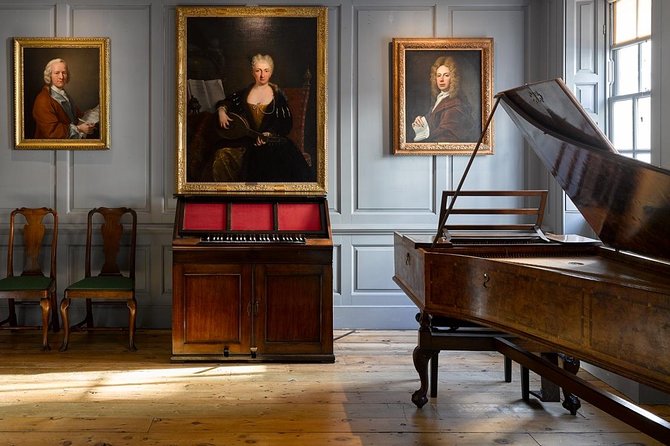
At about $19.98 per person, admission covers both Handel’s house and Hendrix’s flat. For a central London museum that brings together two distinct musical histories, the price is reasonable if you plan to explore both sections rather than making a quick pass through the rooms.
The visit is self-paced, and the expected duration is one to two hours. A music fan who reads the displays, talks with staff and catches a rehearsal may want the longer end of that range. If you’re fitting it between other plans, allow enough time to climb the stairs, explore both homes and browse the shop.
The ticket is mobile, and the experience is offered in English. You make your own way to Brook Street and arrive during opening hours. The museum is open Wednesday through Sunday, from 10 am to 5 pm. Last admission is at 4 pm, so don’t leave it until the final minutes if you want time in both houses.
The gift shop is available at the end of the visit, with souvenirs sold separately. Service animals are allowed, and children must be accompanied by an adult. Most people can participate, but the staircase is an important factor to consider.
Who will enjoy the visit most

This is an especially good choice if you care about music, whether your interest is Baroque, rock or both. Handel fans get access to the home where he composed and worked. Hendrix fans can see the flat where he lived, along with displays about his instruments and musical effects.
You do not need to know both artists well to get something from the pairing. The change in era gives the visit a built-in story, and the rooms offer a tangible connection to London’s music history. I would also recommend it to anyone who likes smaller historic houses more than large, formal museums.
If you want a highly guided experience with a set route and a named tour leader, this may not be the right format. You explore independently, though staff may be available to answer questions. And if stairs are a concern, check accessibility directly with the museum before buying a ticket.
Should you book Handel Hendrix House?
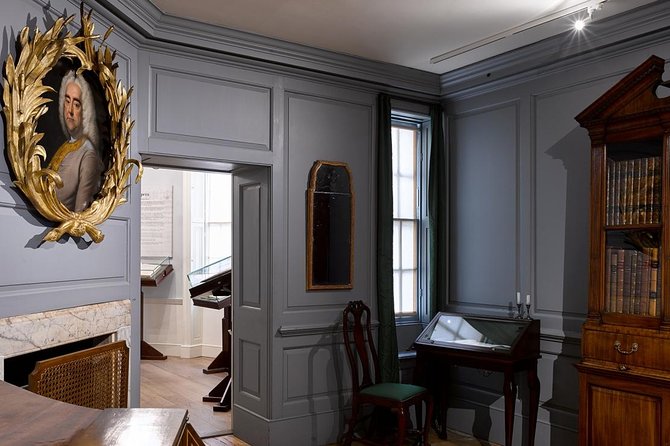
Book it if you want a compact London visit that connects two major musicians to the rooms where they lived and worked. The strongest reasons to go are the Handel music rooms, the carefully recreated Hendrix flat, and the chance of hearing live practice in a historic home.
It is less suited to anyone who needs step-free access or expects a full guided tour. Check the opening days, arrive well before the 4 pm last admission, and give yourself enough time to explore both sections. At roughly $19.98, it offers good value for music lovers and curious visitors who want a personal-scale look at two very different musical lives.
FAQ
Where is Handel Hendrix House?
It is at Brook Street in central London. Handel lived at 25 Brook Street, and Hendrix lived in the nearby flat at 23 Brook Street.
How much does admission cost?
The listed price is about $19.98 per person.
How long should I plan to visit?
Allow about one to two hours to explore both the Handel house and the Hendrix flat at your own pace.
What are the opening hours?
The museum is open Wednesday through Sunday, from 10 am to 5 pm. Last admission is at 4 pm.
Is the visit guided?
You explore at your own pace. Staff may be available to share information, but no fixed guided tour is specified.
What can I see in Handel’s house?
You can explore restored music rooms, the dressing room and the bedroom where Handel died. The house is where he composed Messiah.
What can I see in Jimi Hendrix’s flat?
The third floor includes a recreation of the main room where Hendrix lived from 1968 to 1969, along with displays about his life and music.
Is there live music during the visit?
Musicians sometimes play or practice in Handel’s rooms, but live music is not guaranteed.
Are children allowed?
Yes. Children must be accompanied by an adult.
Can I cancel my booking?
Yes. You can cancel for a full refund up to 24 hours before the experience start time. Cancellations made less than 24 hours in advance are not refunded.
Just reviewed in London
- Go Up The Shard & London Landmark Walking Tour★ 4.5 · 6 reviews
- Glastonbury and Cheddar Gorge Guided Day Tour from London★ 4.5 · 27 reviews
- Churchill’s War Rooms & London’s Top Sights Tour★ 4.5 · 26 reviews
- Gorgeous Influencer Photography Experience Trip in London★ 4.5 · 9 reviews
- Jack the Ripper: Night Murder Mystery Walking Tour in London★ 5.0 · 79 reviews
- Originale Harry-Potter-Tour auf Deutsch: Geführte Tour★ 5.0 · 118 reviews
- Private London Gin Safari: A Spirited, Juniper-Fuelled Jaunt★ 5.0 · 5 reviews
- George Michael London Tour by Black Taxi★ 4.5 · 14 reviews
London Tours, compared.


Magical London: Harry Potter Guided Walking Tour
Read our review →

Stonehenge, Windsor Castle, and Bath from London
Read our review →

London Big Bus Hop-On Hop-Off Tour with Optional River Cruise
Read our review →