
Reviewed · BRITISH MUSEUM TOURS
British Museum London Guided Tour Semi-Private 8ppl Max
The British Museum can swallow a whole day and still leave you wondering what you missed. This 2.5-hour guided tour gives you a path through its vast collection, bringing you face to face with objects such as the Rosetta Stone, the Mummy of Katebet, and the Lewis Chessmen.
I like two things especially: the group is capped at eight people, which makes it easier to hear, ask questions, and move through busy rooms; and the guide connects objects to the people and events behind them, rather than simply pointing out famous names. Guides such as Ivo, Jake, Steph, Guy, and James have led engaging visits, though you can’t choose a particular guide when booking.
The trade-off is that a highlights tour cannot cover a collection spanning some eight million items and 6,000 years. You’ll see a selection, not everything, and this activity is not suitable for people with walking disabilities or wheelchair users.
- Eight people maximum: Small enough for conversation and easier movement through crowded galleries.
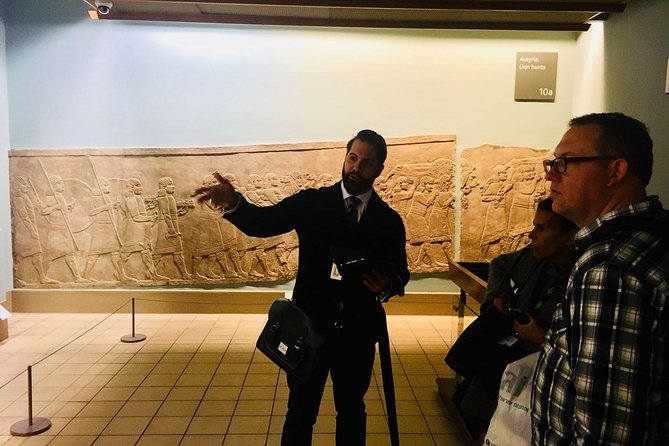
- A focused museum route: See major works including the Rosetta Stone, Assyrian lion-hunt reliefs, and Lewis Chessmen.
- History with context: Your guide explains why selected objects mattered, how they were used, and what they tell us.
- A practical time saver: In two and a half hours, get an informed introduction instead of trying to plan a route through the entire museum.
- A chance to discuss contested collections: Guides may address the circumstances in which objects entered the museum.
- A paid guided experience in a free-admission museum: The price covers the small-group tour and professional guide, not hotel transport or gratuities.
Making sense of a museum built for many lifetimes
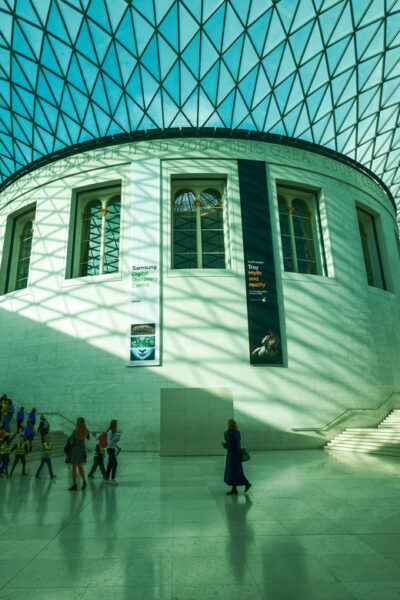
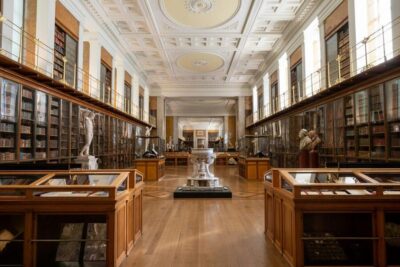
The British Museum’s sheer scale is the first challenge. Its collection covers roughly 6,000 years of human history, with objects from around the world, and the museum holds about eight million items. You could spend hours wandering from one gallery to another and still pass many important works without knowing what you are looking at.
That is where a guided visit earns its keep. Rather than treating the museum as a checklist, your guide picks a manageable set of objects and explains their place in a larger story. The aim is not to race past every famous display, but to give you enough context to understand why a particular carving, burial object, or board game deserves your attention.
The format suits a first visit especially well. If you already know the museum and have a list of specific rooms to explore, you may prefer to set your own pace. But if you have limited time in London, or find large museums hard to navigate, a guide can help you spend your energy looking and listening instead of constantly checking a map.
Starting at the Great Russell Street entrance
The meeting point is the British Museum, Great Russell Street, in central London. You choose a departure time when you book, and the tour ends back at the meeting point. There is no hotel pickup or drop-off, so plan your journey to the museum separately.
Arrive on time and keep your phone switched on. You are required to provide a mobile number, including the country code, and the tour needs at least two people to run. If that minimum is not met, you will be offered an alternative or a full refund.
The museum’s security rules matter before you set out. Large bags and suitcases are not allowed inside; only handbags or small, thin backpacks can pass through security. Some queues can still form even on tours described as having quick access, so don’t assume that a guided booking means every entrance is immediate.
More British Museum visits in London:
- London: British Museum Guided Tour
★ 4.3 · 1,182 reviews - London: Tour of the British Museum
★ 4.1 · 678 reviews - London: British Museum Audio Tour & Priority Entrance Ticket
★ 4.5 · 631 reviews
Following a route through 6,000 years
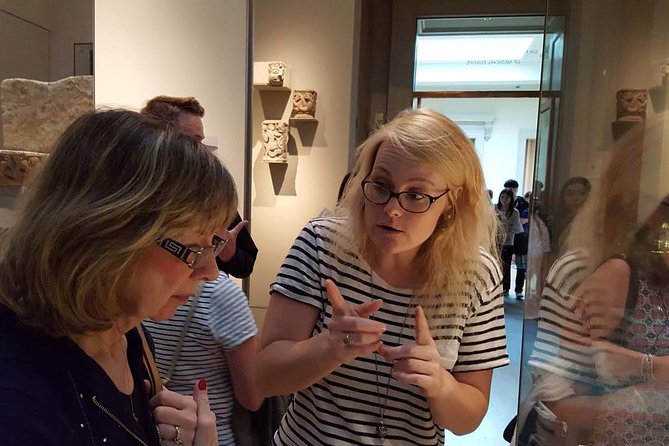
Once the group has gathered, the guide gives an introduction to the museum and leads you through selected galleries. The exact route and objects can vary, since some rooms may be quiet or restricted for speaking and collections can change during the year. Your guide may explain a room’s contents before you enter if conversation is limited inside.
Expect a selection that ranges across places and periods rather than a single narrow subject. The examples include samurai armor, Assyrian lion-hunt reliefs dating to the seventh century BC, Egyptian funerary objects, and medieval chess pieces. That range is part of the point: the tour can show how different societies expressed power, belief, skill, and daily life.
The group limit is a real practical advantage in such a large museum. With no more than eight people, you have a better chance of hearing the guide in a crowded gallery and asking a question without turning the visit into a lecture hall. Families and small parties can also stay together more easily than in a large coach-style group.
Meeting the Mummy of Katebet
The Mummy of Katebet offers a human scale to a museum full of grand monuments. An ancient burial object can be striking at first glance, but the guide’s explanation helps you think beyond the display case: who the person was, what the burial practices meant, and what the object can tell us about beliefs surrounding death.
This is one of the benefits of having someone interpret the collection. You are not left to guess why a particular object matters or to rely on a short label while people gather behind you. The guide supplies the thread that turns a collection of separate objects into a story about people and their worlds.
As with any highlights route, you should not expect every detail to match a fixed script. The guide’s choice of objects and the rooms available can vary, and some collections change through the year. If a particular artifact is essential to your visit, ask about it when you meet the guide, but understand that the route may not be able to include everything.
Reading the Rosetta Stone and Assyrian reliefs
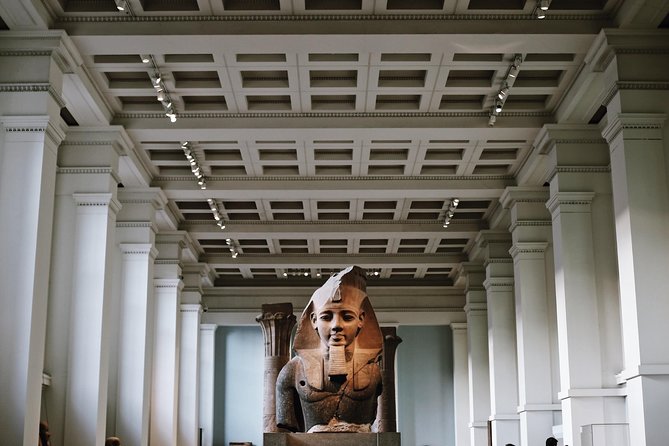
The Rosetta Stone is a natural anchor for a museum visit. It is one of the collection’s most famous objects, and it helps set up a broader discussion of language, historical evidence, and the way people make sense of the past. One guide has been known to shape the tour’s story around the stone, but the order and approach depend on the guide and the day.
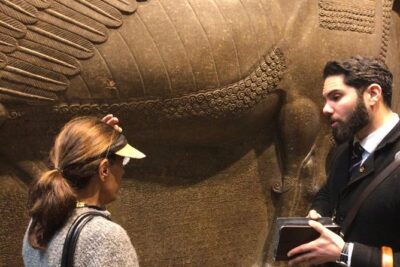
The Assyrian lion-hunt reliefs offer a different kind of encounter. Their carved scenes are detailed and forceful, and the tour can help you look closely at how rulers used images to present power. Several people who have taken the route singled out the Assyrian section as a memorable stop, including its lion hunt scenes, so it is worth giving these works more than a passing glance.
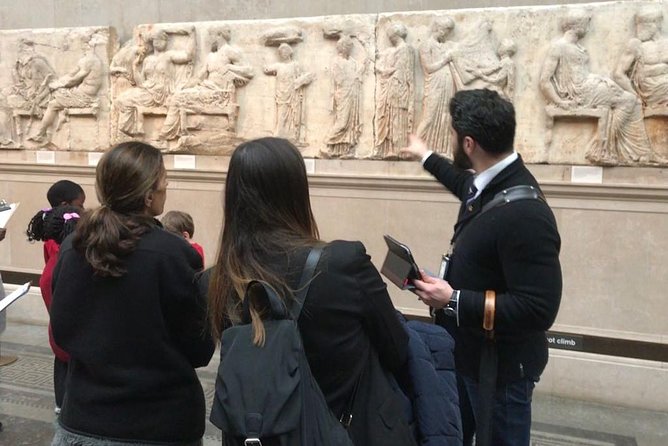
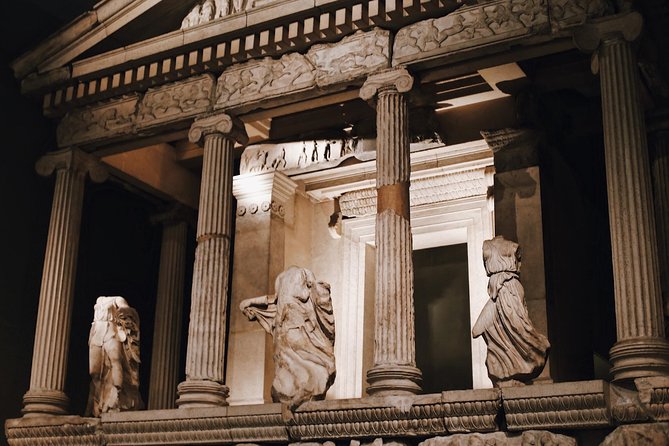
The tour may also include the Parthenon sculptures, alongside less familiar objects. That mix is useful: famous works give you easy landmarks, while lesser-known pieces can become the moments you remember most. James, for example, has been praised for pairing major sights with less familiar displays, a good model for what a strong museum guide can do.
More museum visits in London:
- Tower of London and Crown Jewels Exhibition Ticket
★ 4.5 · 6,677 reviews - London: Chelsea Football Club Stadium and Museum Tour
★ 4.8 · 4,576 reviews - Chelsea FC Stadium Tours and Museum
★ 5.0 · 1,908 reviews - Official tickets: Moco Modern & Contemporary Art Museum
★ 4.5 · 1,157 reviews
Finding a story in the Lewis Chessmen
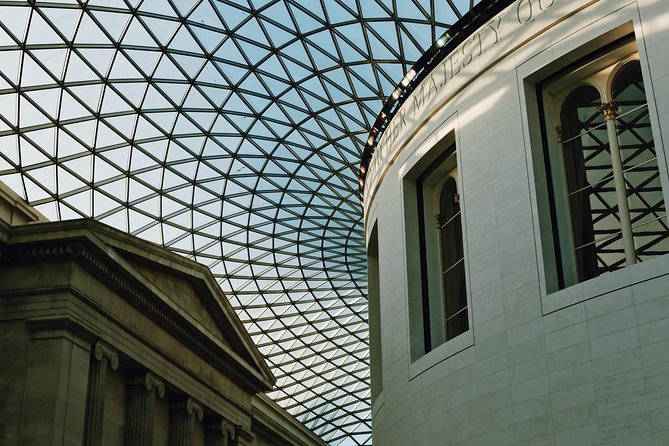
The Lewis Chessmen are small, medieval figures with a big hold on the imagination. They turn a museum visit away from monuments and rulers and toward play, craft, and the people who once handled these pieces. Their scale also makes them a good pause after the larger stone reliefs and architectural works.
A guide can help you notice what a quick look might miss: the characters, the workmanship, and the clues the pieces offer about medieval life. The tour’s value lies less in ticking off a list than in learning how to look. That skill can carry into the rest of your visit, even after the guided portion ends.
Several guides have earned a reputation for making the route lively without letting the facts get lost. Ivo, Jake, Steph, and Guy are among the names associated with especially engaging tours. Their styles differ, but the qualities worth looking for are the same: clear explanations, room for questions, and a story that keeps the objects connected.
Talking honestly about how objects were collected
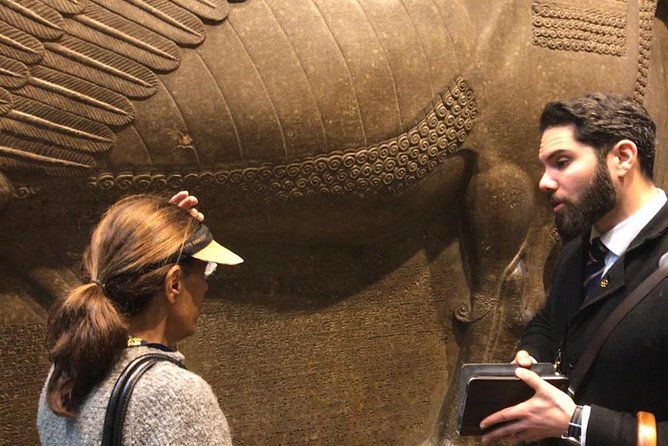
The British Museum’s collections are not free of difficult questions. Some of its objects came to Britain through imperial power, and their ownership and removal remain disputed. A useful guide need not pretend those issues are simple or avoid them altogether.
The tour can include discussion of how important works came to be in the museum, and guides have been praised for addressing controversial subjects directly. That does not mean every question will have an easy answer. It does mean you can ask how an object was acquired and hear some context instead of being left with the impression that museum displays exist outside history.
This perspective adds value to a highlights visit. You are looking not only at what an object is, but also at who made it, who used it, and how it ended up in London. If that subject matters to you, bring your questions. The group is small enough to make conversation possible, though the tour still has a set time and route.
Is $108.44 a fair price for 2.5 hours?
At $108.44 per person, this is a substantial expense for a museum visit, particularly because the tour does not include hotel transport or gratuities. The museum admission is listed as free, so you are paying for the professional guide, the small group, and the time saved in choosing a route through a vast collection.
That can be good value if you want a clear introduction and have only a few hours to spare. A guide helps you make sense of objects that might otherwise become a blur of names and dates. The eight-person cap also buys a more personal format than a large group tour, where it can be harder to hear or ask questions.
It is less compelling if you love wandering independently, plan to spend the whole day in the museum, or already know exactly which galleries you want to see. In that case, free admission and a self-guided visit may suit you better. There is also a private-tour option, but the price for that upgrade is not specified here, so check the booking details before deciding.
The tour lasts about two and a half hours, and you should expect a fair amount of walking and standing. Wear comfortable shoes. A past visitor’s advice to bring an umbrella is sensible for London, but the tour itself takes place inside the museum.
Who will get the most from this tour
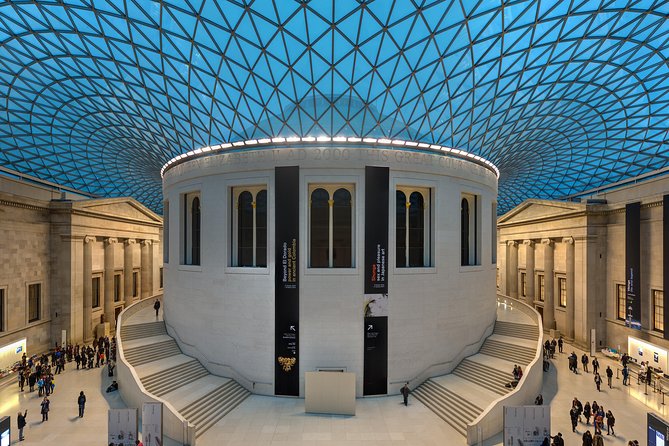
This is a strong choice for a first-time museum visitor who wants the big picture without spending half a day working out where to begin. It also suits families and small groups who prefer to ask questions as they go. One guide, Guy, has been singled out for keeping teenagers interested, and the tour’s small size can help younger visitors stay connected to the conversation.
History fans will appreciate the range, especially if they like hearing how objects fit into wider events and beliefs. The museum’s collection includes ancient and medieval works from many parts of the world, so you get more than one civilization or period in a single visit. The route is not a substitute for seeing every gallery, but it can give you a useful framework for exploring further.
Think twice if mobility is a concern. The activity is not available to people with walking disabilities or wheelchair users, and a moderate level of physical fitness is recommended. Also consider whether you are comfortable with a fixed group route: the guide selects the stops, and temporary exhibitions are not included.
A few practical details before you book
Several departure times are available, which makes it easier to fit the tour around other London plans. Group discounts are offered, and you can choose a private option when booking. The regular semi-private group is capped at eight people, with a minimum of two required for the tour to run.
The tour is offered in English. Temporary exhibitions are not included, and occasional museum closures or delays can affect the visit. If the museum opening is delayed by more than an hour from the tour start, an alternative will be offered; refunds or discounts are not available in that situation.
You can cancel for a full refund up to 24 hours before the start time. Changes or cancellations made less than 24 hours before the experience are not accepted, so check your plans carefully. These rules are worth noting, but the central booking decision is simpler: do you want a guide to help you choose and understand a handful of major works, or would you rather explore at your own pace?
Should you book this British Museum tour?
Book it if you have limited time, want historical context, and value a small group where questions can fit naturally into the visit. The best part is the combination of famous objects and less obvious stops, with guides who can make the collection feel like a connected human story rather than a long list of cases.
Skip it if you prefer to wander alone, need wheelchair access, or want to concentrate on a specific exhibition or set of rooms. At $108.44, the fee is easiest to justify when a guide’s interpretation will change how you see the objects. If that sounds like your kind of museum visit, this is a focused way to meet the British Museum’s greatest hits and leave with a few new questions of your own.
FAQ
How long is the tour?
The tour lasts approximately two hours and 30 minutes.
How many people are in the semi-private group?
The group has a maximum of eight people. At least two people are required for the tour to run.
Where does the tour start and end?
It starts at the British Museum on Great Russell Street in London and ends back at the meeting point.
Is museum admission included in the tour price?
The British Museum stop lists admission as free. The tour price includes the semi-private tour and professional guide.
Is the tour suitable for wheelchair users?
No. The tour is not available to people with walking disabilities or those using a wheelchair. A moderate level of physical fitness is recommended.
What should I bring or leave behind?
Bring a mobile phone and provide your number, including the country code. Large bags and suitcases are not allowed inside; only handbags or small, thin backpacks can pass through security.
Just reviewed in London
- Welcome to Paris Day Trip from London via Train★ 4.5 · 124 reviews
- London: Self-Guided Notting Hill Walking Tour with an APP★ 4.3 · 120 reviews
- Photoshoot at Notting hill,Covent Garden,St Paul Cathedral★ 4.4 · 12 reviews
- London: The Shard Entry Ticket with Champagne★ 4.5 · 147 reviews
- London: Full Day Tower, St. Paul’s, Cruise & Eye Experience★ 4.6 · 168 reviews
- Paris Explorer Rail Tour from London with Paris Sightseeing Bus★ 4.0 · 111 reviews
- London: Private Photoshoot with Video Clip Option★ 4.8 · 182 reviews
- British Museum & National Gallery of London Semi-Private 8ppl Max★ 5.0 · 168 reviews
British Museum Tours, compared.
British Museum Audio Tour & Priority Entrance Ticket
Read our review →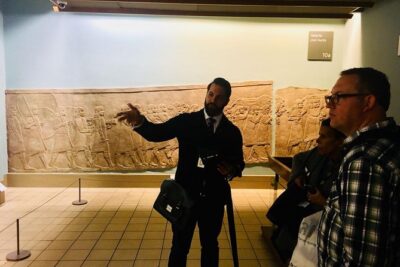
The British Museum London – Exclusive Guided Museum Tour
Read our review →
British Museum & National Gallery of London Semi-Private 8ppl Max
Read our review →
Kid-Friendly Private British Museum Highlights and Walk to Covent Garden London
Read our review →Browse the lists this tour appears in