
Reviewed · LONDON WALKING TOURS
London: Brutalist Architecture & History Walking Tour
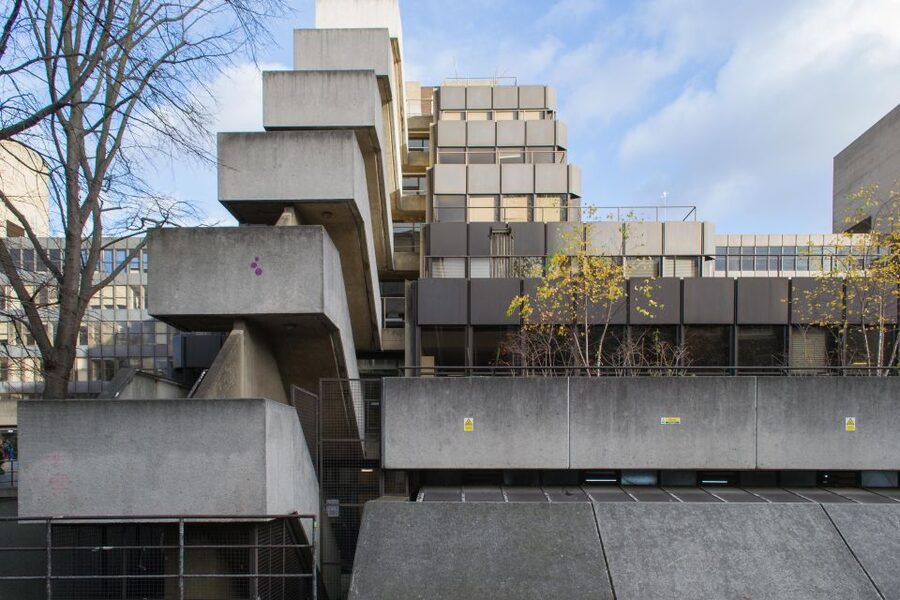
London’s Brutalist buildings make no effort to charm you. Their raw concrete, weighty forms and bold angles were built to be seen, and this small-group walk puts them in context, from the postwar forces behind the style to today’s arguments over what should be preserved. I like the focus on architecture and social history together, and the chance to study landmarks such as the National Theatre with a guide who can point out details you might miss on your own.
A second plus is the group limit of six, which makes it easier to ask questions and gives the guide room to adapt to your level of interest. One consideration: the tour visits building exteriors only, and the route includes a short Tube trip, so bring a Zone 1 ticket or enough credit.
- A small group with room for questions: No more than six participants join the walk.
- Concrete with a story: Learn how postwar needs, Modernist ideas and global events shaped London’s building boom.
- Major examples on the route: The National Theatre and Institute of Education are among the landmarks you’ll see.
- A closer look at central London: The tour offers an alternative to the city’s usual royal and medieval highlights.
- A short Tube ride is part of the outing: Public transport is not included, so carry a valid Zone 1 fare.
- Exterior views only: You won’t go inside the buildings, and bad weather can postpone or cancel the walk.
London beyond its familiar landmarks
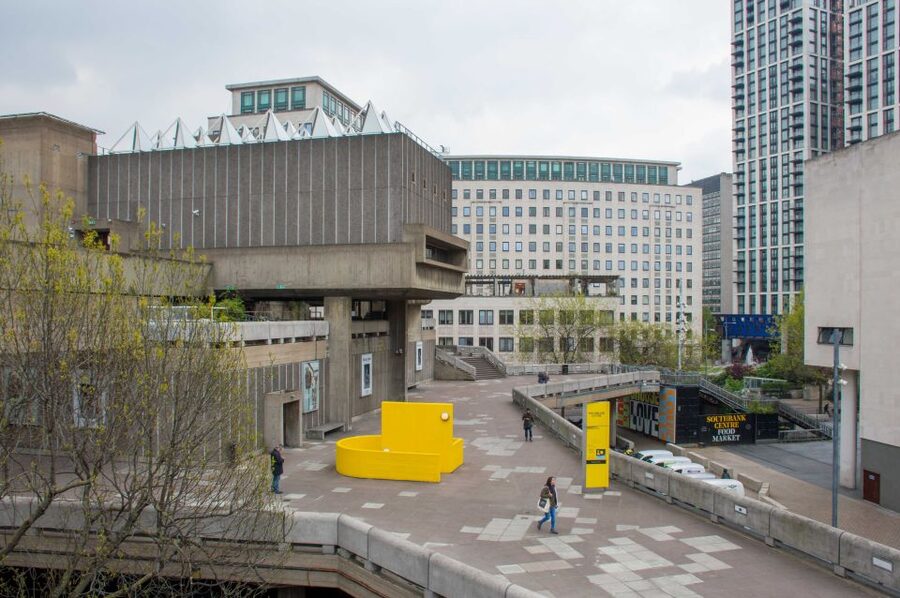
London is often sold through royal palaces, old churches and grand museums. This walk offers a different view: a city rebuilding itself after war, using concrete and modern design to make a bold statement about public life and the future.
Brutalism can be an acquired taste. Some buildings seem stern or fortress-like; others look startlingly sculptural. The pleasure of the tour is not that you must learn to love every example. It’s that you get the tools to understand why these structures were built, what they meant to their era, and why people still argue about their place in the city.
The tour runs for 2.5 hours and stays in central London. It is led in English by Evan, whose enthusiasm for architecture and urban history is a recurring strength. The group is capped at six, a helpful size for a topic that invites close observation and discussion rather than a quick photo stop.
Starting outside Russell Square
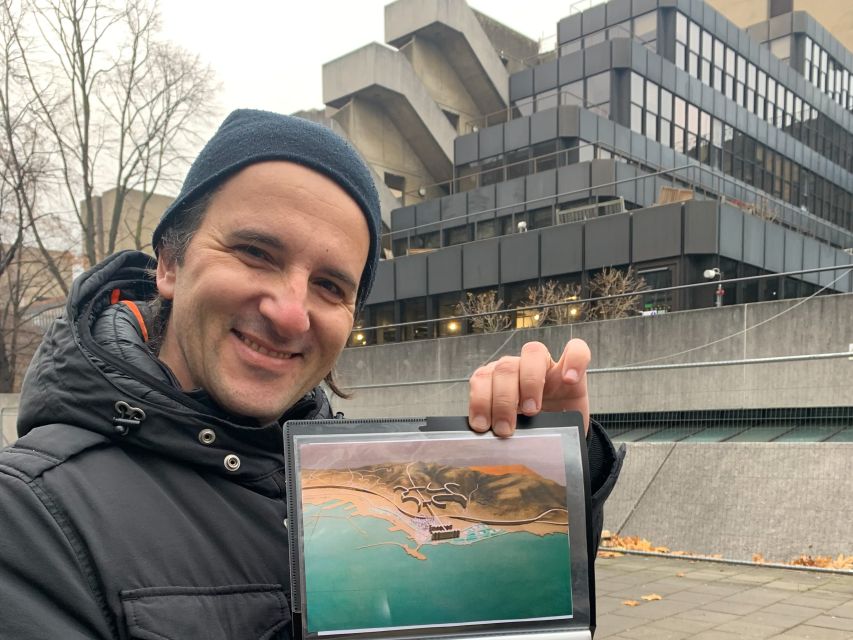
The meeting point is outside Russell Square Underground Station on the Piccadilly Line. Arrive ready to walk and keep your transport ticket handy. The tour uses the Tube once for a short journey within Zone 1, and that fare is not included in the $47 price.
The compact group matters here. When you’re looking up at a building, a small circle is easier to gather and easier to hear than a crowd. It also leaves more room for questions, and Evan has adapted explanations to suit different levels of experience, from newcomers to people already interested in modern architecture.
Come with curiosity rather than a fixed verdict on concrete. The tour is designed to help you look closely and think about what you see, not to insist that Brutalism is beautiful. That openness makes the experience useful even if you arrive as a skeptic.
More walking tours in London:
- Magical London: Harry Potter Guided Walking Tour
★ 4.7 · 22,044 reviews - London: The Original Jack the Ripper Walking Tour
★ 4.7 · 7,833 reviews - Tour for Muggles The Ultimate Harry Potter Walking Tour in London
★ 5.0 · 4,684 reviews
Reading concrete as a building material
The walk introduces concrete not just as a visual style but as an engineering and architectural choice. You’ll hear about the increased use of concrete in modern building and the ideas behind Modernist monumental architecture. That context helps explain why Brutalist buildings can feel so different from London’s older brick and stone streets.
The key is to look at form as well as surface. Raw concrete can appear severe, but the buildings also use mass, shape and structure to make their mark. A guide can direct your attention to the decisions behind those effects, giving you more to notice than a dramatic façade or a good camera angle.
The tour also connects architecture to the social, cultural and environmental questions around it. These buildings did not appear in a vacuum. Postwar London was shaped by practical needs and shifting ideas, while events beyond Britain influenced the way architects and authorities imagined a modern city.
That wider lens is one of the walk’s strongest features. Instead of treating each building as an isolated object, you’re invited to consider the climate that produced it, the people who supported or rejected it, and the choices involved in keeping it useful today.
The Institute of Education and the National Theatre
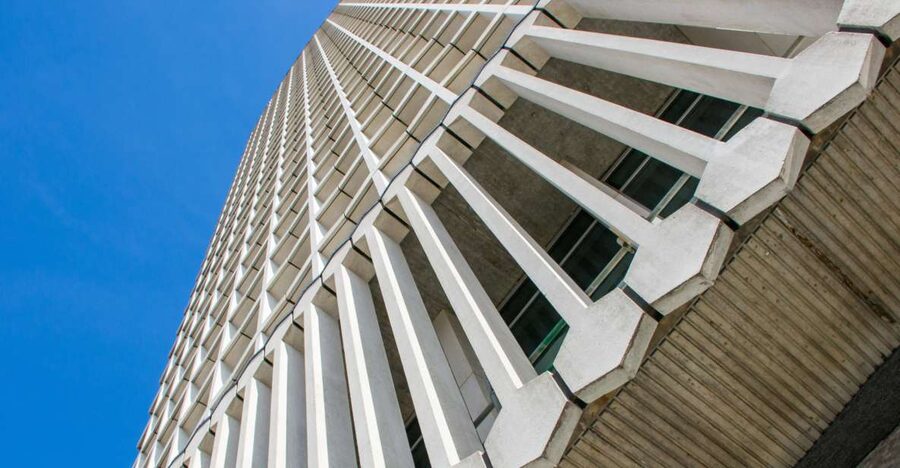
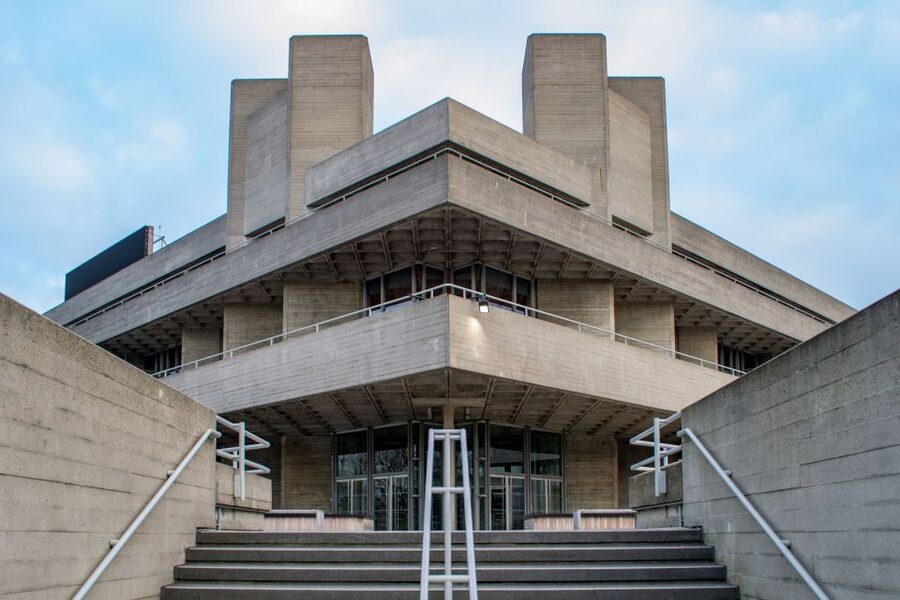
The Institute of Education and the National Theatre are among the named examples you may see. Both offer a chance to test your first impressions against the architectural and historical context of the tour. You can admire the forms, recoil from them, or do a little of both. The point is to look with more understanding.
The National Theatre is especially useful as a talking point because it stands at the meeting place of architecture, public culture and changing attitudes to modern buildings. You’ll hear about the circumstances that helped make such a landmark possible, as well as the longer story of reception, rejection and eventual recognition as architecture worth protecting.
At the Institute of Education, the reward is the chance to examine another prominent example in person and ask what makes its design read as Brutalist. The tour is outdoors, so you’ll be studying the exterior rather than the interior spaces or the way the buildings function inside. If access to interior architecture is important to you, this walk will not provide it.
You’ll want a camera, particularly if you enjoy strong lines, large surfaces and unusual angles. The buildings make striking subjects, but the guide’s explanations are the real reason to pause. A photograph records the shape; the story helps you understand why it is there.
The Brunswick and the details worth noticing
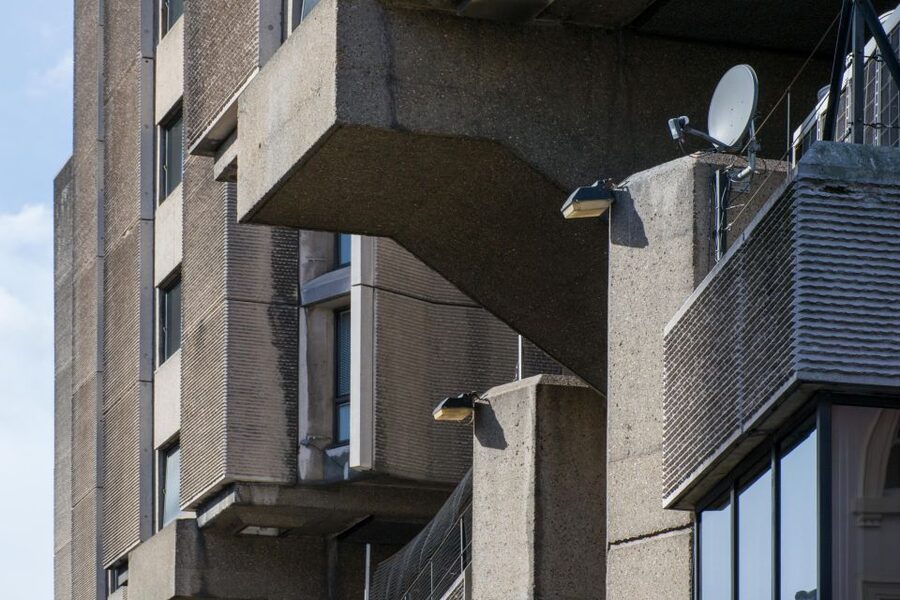
The Brunswick also comes up in the tour’s discussion. One participant particularly valued the guide’s eye for detail there, which points to an important benefit of walking with someone who knows the subject: you may notice features that would otherwise blur into a large, imposing mass.
That said, don’t expect a technical construction workshop. The tour covers architecture, history and the social forces behind modern design, but the format is a guided walk with buildings serving as live examples. One attendee wanted more discussion of materials, construction compromises and workarounds. If you’re a building professional or want a detailed account of engineering methods, you may want to ask Evan how far the tour goes into those subjects.
For most curious visitors, the balance sounds appealing. You get enough architectural detail to engage with the buildings, but the story does not stop at concrete and form. The route makes room for political and economic context, which helps answer a more interesting question: why did London build this way?
More history tours in London:
- London Small Group Tour of Historical Pubs
★ 5.0 · 10,422 reviews - Soho Music & Historic Pubs Tour
★ 5.0 · 1,993 reviews - London: Historic Pubs of Central London Walking Tour
★ 4.9 · 1,065 reviews - London: Soho Music and Historic Pubs Walking Tour
★ 4.9 · 836 reviews
Modernism, power and public opinion
The walk places London’s postwar architecture within European Modernism and the wider events that influenced it. You’ll hear about key figures in the movement and the ideas that informed the city’s changing appearance. This is where a guide’s storytelling can make a big difference: names and dates are easier to retain when connected to buildings you can see.
Brutalism has never been universally loved. Its large scale and exposed materials can look confident to one person and hostile to another. The tour doesn’t ask you to settle the debate. Instead, it helps you see why these buildings have attracted both admiration and criticism, and why views about them have changed over time.
Preservation is part of that story. Local authorities, preservation groups and residents continue to face questions about how these distinctive structures should be used in the future. A building’s architectural importance does not automatically settle what should happen to it. You’ll leave with a clearer sense of the competing interests, even if you still have a strong opinion about the design.
The social and economic background also gives the buildings human scale. A concrete landmark can seem detached from everyday life until you consider the aims and pressures behind its construction, the people who use or live near it, and the argument over whether it still serves the city well.
What the guide adds, and where to keep a critical eye
Evan is a major part of the experience. He is described as personable, engaging and enthusiastic about the built environment, and the tour’s strongest praise centers on his ability to connect architecture with London’s history and social circumstances. He has also adjusted explanations to match the knowledge of the people in his group.
That flexibility is valuable on a subject with a wide range of entry points. You might arrive knowing little about Brutalism and want a clear introduction, or come with an existing interest and hope to compare interpretations. A group of six gives you a better chance to make the walk a conversation rather than a lecture.
One attendee raised concerns about a few historical claims, including explanations involving window tax and political labels. That is worth keeping in mind: an enthusiastic guide can make a subject lively, but no walking tour replaces careful reading if you need precise detail on a particular point. Treat the walk as an engaging introduction, and follow up independently if you want to examine a disputed claim closely.
The overall rating is 4.8 from 42 reviews, and the recurring strengths are clear: Evan’s enthusiasm, the depth of historical context and the informal, approachable tone. The occasional criticism is useful too. If your main priority is a technical analysis of construction methods, make that clear at the start and ask what the tour covers.
Is $47 good value for 2.5 hours?
At $47 per person, this is not simply a route between buildings. You’re paying for a guide who interprets architecture, connects it to postwar events, and helps you understand the debate over its future. The small group and 2.5-hour duration make the price easier to justify if you’re genuinely interested in cities, design or modern history.
The value is less obvious if you only want a list of photo stops. You can look at building exteriors on your own, but you won’t get the same guided explanation of why they were built or how public attitudes shifted. The tour’s worth depends on whether you want the stories as much as the sights.
Remember to budget for the short Tube ride separately. The public transport cost is not included, and you need enough credit for one trip within Zone 1. There’s no need to plan around a long journey, but arriving without a valid fare would be an avoidable snag.
Who should take this walk
I’d recommend this tour to anyone curious about architecture, urban development or the story of postwar London. It’s especially well suited to visitors who have already seen the city’s classic sights and want a fresh subject, as well as modernism fans who enjoy discussing why a building works, or doesn’t, for them.
It’s less suitable if you need a step-free experience or have a mobility impairment: the activity is a walking tour and is not suitable for people with mobility impairments. Children under 16 are also not accepted. The walk may be postponed or canceled in unfavorable weather, so keep your plans flexible if conditions are poor.
The tour covers exteriors only. If going inside buildings is essential to your idea of an architecture tour, choose a different activity. If you’re happy to read façades, hear the history and make up your own mind about concrete, this is a focused way to spend a morning or afternoon.
Should you book the Brutalist architecture walk?

Book it if you want more than a sightseeing checklist and you’re interested in how design reflects its time. Evan’s lively explanations, the six-person limit and the mix of architecture with political, social and economic history make this a strong introduction to London’s Brutalist buildings.
Skip it if you want interior access, a technical construction seminar or a walk suited to limited mobility. For everyone else, bring a Zone 1 fare, dress for the weather and arrive willing to have your opinion of concrete challenged, or confirmed.
FAQ
How long is the tour?
The walking tour lasts 2.5 hours.
Where is the meeting point?
Meet outside Russell Square Underground Station, on the Piccadilly Line.
What language is the tour in?
The live tour guide speaks English.
How many people are in the group?
The group is limited to six participants.
Is public transportation included in the price?
No. The tour uses the Tube once for a short journey, and you need enough credit for one trip within Zone 1.
Do you visit the interiors of the buildings?
No. The tour visits building exteriors only.
Which Brutalist buildings are named as examples?
The Institute of Education and the National Theatre are named examples. The Brunswick is also discussed.
Is the tour suitable for children?
No. It is not suitable for children under 16.
Is the tour suitable for people with mobility impairments?
No. The activity is listed as unsuitable for people with mobility impairments.
Can weather affect the tour?
Yes. The walk may be postponed or canceled if weather conditions are unfavorable.
Just reviewed in London
- London Royal Tour – Buckingham Palace Entry – 12 guests 2,5h★ 4.9 · 14 reviews
- Royal London Tour incl Buckingham Palace & Changing of Guard★ 3.8 · 33 reviews
- Royal London Walking Tour★ 3.9 · 11 reviews
- London: Royal London Tour★ 3.7 · 46 reviews
- London: Royal Tour with Westminster Abbey & Afternoon Tea★ 3.0 · 3 reviews
- London: Tower of London & Changing of the Guard Experience★ 4.6 · 92 reviews
- London: Professional Private Photoshoot and Edited Photos★ 5.0 · 4 reviews
- London: Kensington Palace Tour, Guard Change & Afternoon Tea★ 4.3 · 22 reviews
London Walking Tours, compared.

Magical London: Harry Potter Guided Walking Tour
Read our review →

Tour for Muggles The Ultimate Harry Potter Walking Tour in London
Read our review →
Harry Potter Movies Walking Tour (Kids Go Free)
Read our review →
Changing of the Guard Guided Walking Tour in London
Read our review →
The Great British Rock and Roll Music Walking Tour
Read our review →
Jack the Ripper Walking Tour – Ripper Vision Tours
Read our review →Browse the lists this tour appears in