
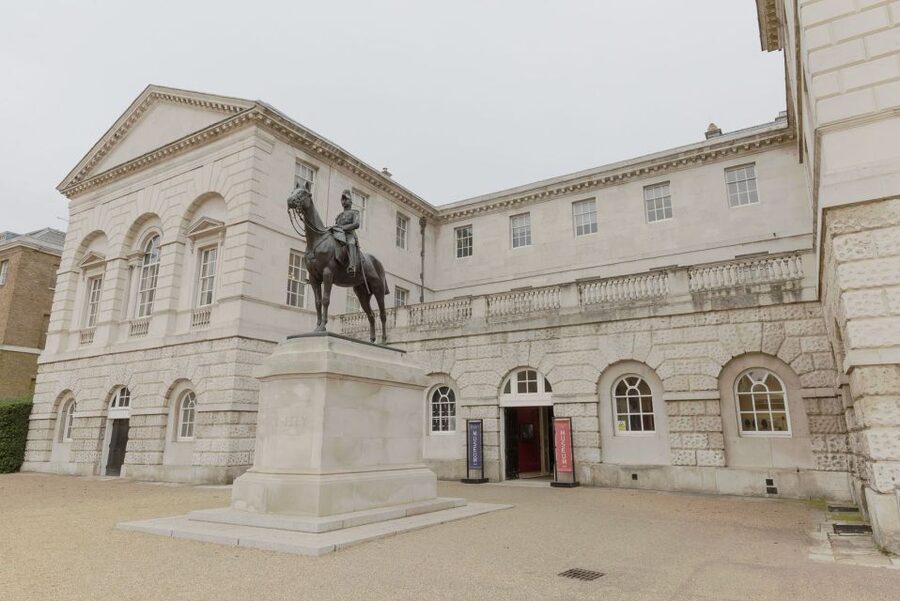
Reviewed · LONDON TOURS
London: Household Cavalry Museum Entry Ticket
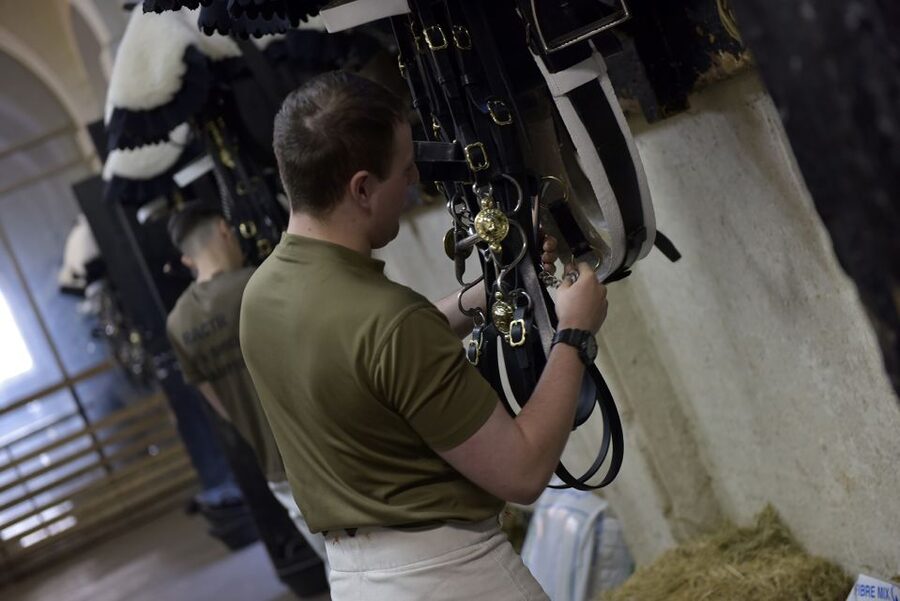
At the Household Cavalry Museum, you can look through a broad glazed partition into the original 18th-century stables, where troopers work with their horses. It is an unusual chance to see a living military institution alongside objects and displays explaining its past.
I like the mix of working stables and museum exhibits, and the troopers’ own accounts make the demands of training feel more immediate than a wall of dates would. I also like that the displays focus on two specific regiments, the Life Guards and the Blues and Royals, rather than trying to cover the whole British Army.
The main consideration is scale: this is a small museum, not a full day’s attraction. Some people may also expect more direct access to the horses than the glazed partition provides.
- Look into the original stables: See working troopers and horses through a large glazed partition.
- Explore a building dating to 1750: The museum occupies the Horse Guards, still the Household Division’s headquarters.
- Hear troopers’ accounts: Displays explain the demanding training and daily work behind ceremonial duties.
- See rare objects: The collection includes items that have only recently been put on public display.
- Plan about an hour: Allow at least 60 minutes, and longer if you like reading displays closely.
A working stable behind the glass
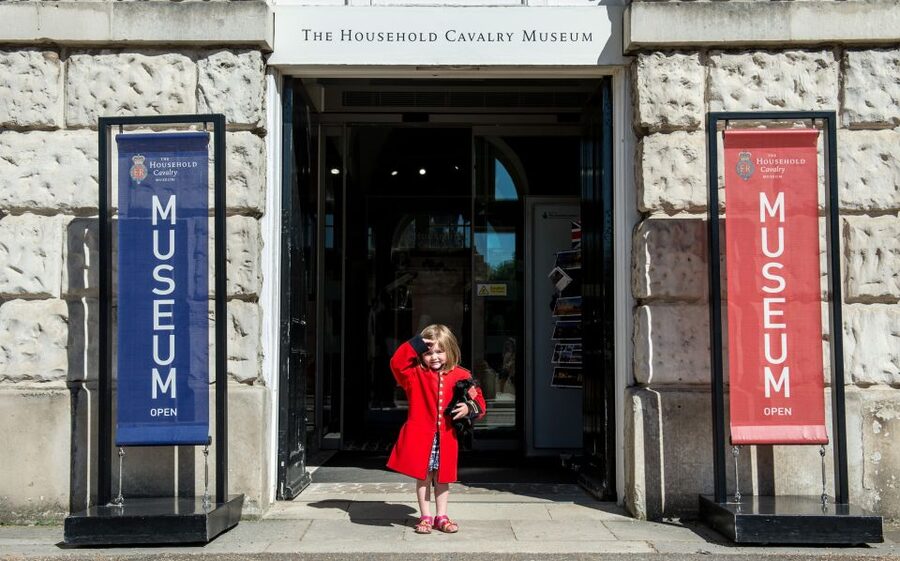
This is not simply a display about horses and uniforms. The museum sits within the Horse Guards on Whitehall, and a glazed partition looks into the original 18th-century stables, where the Household Cavalry continues to work with its horses. That living element gives the visit a particular focus: you are learning about a military tradition while looking into a place where its work still happens.
The glass also sets a clear boundary. You can watch the troopers and horses, but this is not a stable visit where you walk among them or handle the animals. If close contact is what you have in mind, adjust your expectations. The value is in seeing the working space from the museum, not in joining the stable routine.
The connection between the museum and the stables is its most distinctive feature. A collection of historic objects can tell you what a regiment wore or carried; the view through the partition gives a sense of the horses and people who remain part of its duties today.
Inside the Horse Guards on Whitehall
The building dates from 1750 and remains the headquarters of the Household Division. That makes the setting part of the visit, rather than a neutral container for exhibits. You are exploring a historic military building that still has an active role.
The Household Cavalry has performed the Queen’s Life Guard for more than 350 years. The museum uses that long-running duty to explain the institution, while also introducing the two senior regiments of the British Army that make up the Household Cavalry: the Life Guards and the Blues and Royals.
You do not need to arrive with a strong military-history background to follow the subject. The displays offer personal accounts and interactive elements to help explain what the role involves. If you already know the basics, the building, working stables, and rare objects give you reasons to look beyond the introductory story.
More museum visits in London:
- Tower of London and Crown Jewels Exhibition Ticket
★ 4.5 · 6,677 reviews - London: Chelsea Football Club Stadium and Museum Tour
★ 4.8 · 4,576 reviews - Chelsea FC Stadium Tours and Museum
★ 5.0 · 1,908 reviews
Troopers’ stories make the training real
The museum includes first-hand accounts from troopers and describes their rigorous training. That is useful context because ceremonial duties can look effortless from the outside. Hearing about the preparation behind them helps you understand that the polished public appearance rests on demanding work.
I would give these accounts time rather than rushing past them to the objects. They help connect the historical story to the people doing the job now, and they give the displays a human scale. You are not just learning the names of regiments; you are getting an explanation of what their training asks of them.
The ticket does not include a tour guide. One account of a visit describes the interpretation as being in English and notes that there was no audio guide, so it is sensible to expect a self-guided visit rather than a narrated tour. If you rely on audio interpretation or prefer a guide to draw out the story, this format may feel spare.
Rare objects and interactive displays
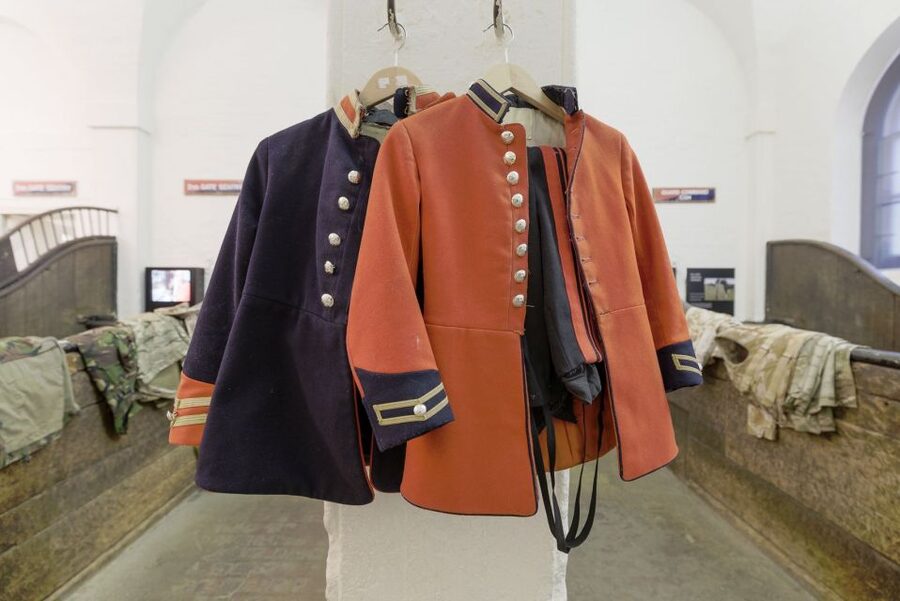
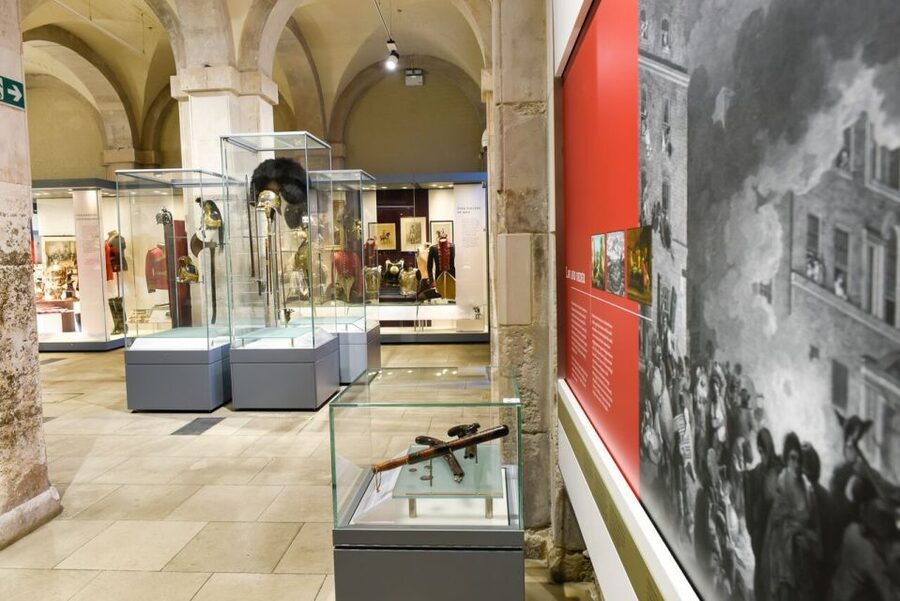
The museum presents historical artifacts, including rare objects that have only recently been shown to the public. The collection is a central reason to visit if you are interested in British military history, uniforms, or the traditions of the Household Cavalry.
The display style pairs objects with interactive material and personal stories. That can make a compact museum more engaging than a room of cases alone, especially if you are visiting with children or with someone whose interest in military history is still developing. The displays invite you to connect an artifact with the people and duties around it.
There is a limit to what a compact collection can cover. You should not expect an encyclopedic account of the British Army or a large museum with galleries to fill most of a day. The subject here is narrower: the Household Cavalry, its regiments, its traditions, and its place in the Horse Guards.
How long to spend
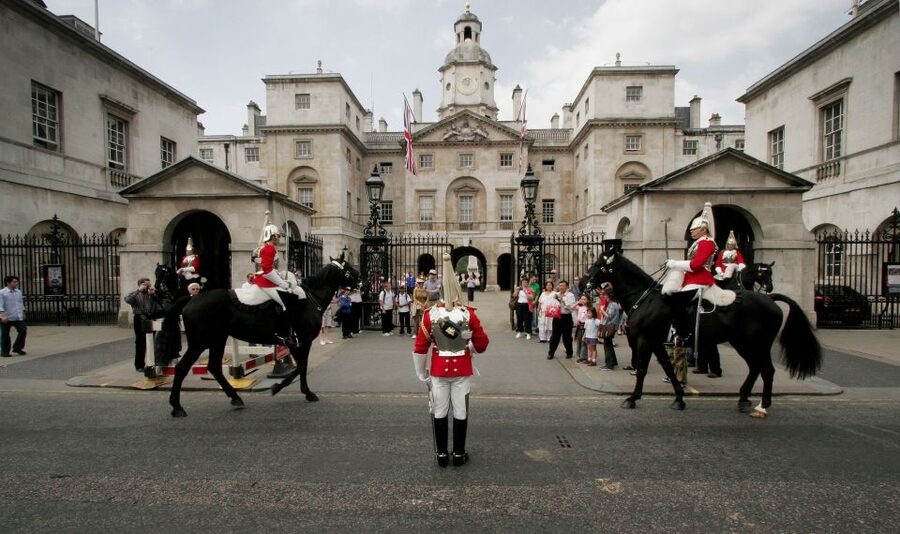
Allow at least 60 minutes. That gives you a reasonable starting point for seeing the museum, reading the accounts, and looking into the stables without treating the visit as a quick photo stop.
Your actual pace will depend on how much you want to read and how long you spend watching the horses and troopers. The experience is self-guided, so you can linger over the parts that interest you rather than keeping up with a group. If you are travelling with children, the horses and interactive displays may hold their attention, though the museum’s small size means this is better planned as a focused stop than as a day-long outing.
The activity is listed as valid for one day, and a visitor has described being able to enter during the chosen day without a specific time slot or a wait. Check the available dates and starting-time details when booking, since the information provided does not set out a fixed visit schedule.
More tickets in London:
- London: The London Eye Entry Ticket
★ 4.6 · 35,875 reviews - London: Tower Bridge Entry Ticket
★ 4.7 · 15,560 reviews - London: St Paul’s Cathedral Entry Ticket
★ 4.7 · 9,813 reviews - London: London Eye and Madame Tussauds Combo Ticket
★ 4.7 · 7,428 reviews
Is $14 good value?
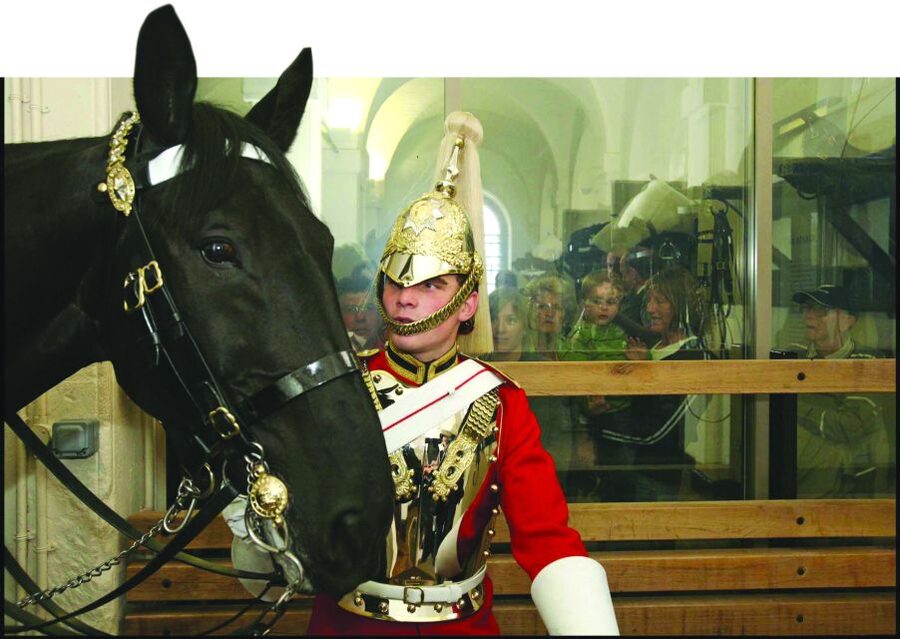
At $14 per person, this is a fairly modest ticket for a central London museum, particularly if you are drawn to military history or want to see the Household Cavalry in context. The price buys access to the museum and its view into the working stables; it does not include a guide or a separate stable encounter.
Value depends on what you expect. If you enjoy a focused collection, personal accounts, and the chance to see working horses through the partition, an hour here can be a worthwhile addition to a Whitehall visit. If you judge attractions mainly by size, or expect a large collection and extensive access to the stables, you may feel the visit is too brief.
The museum has an overall rating of 4 out of 5 from 84 reviews. The strongest praise centers on its unusual collection, good value for people interested in British military history, and the glimpse into the Horse Guards’ work. The sharpest criticism is that the museum feels small and does not offer the close stable contact some people expect. Those two reactions point to the key decision: go for a compact, specific museum, not a full-scale attraction.
Practical details before you go
Meet directly at the Household Cavalry Museum in Whitehall. A tour guide is not included, so you will explore at your own pace and rely on the museum displays for context.
The museum is wheelchair accessible. Pets are not allowed, but assistance dogs are permitted. Free cancellation is available up to 24 hours in advance for a full refund, and the reserve-now, pay-later option lets you keep plans flexible without paying at the time of booking.
Who will enjoy this museum most
I would put it high on the list for anyone interested in British military history, horses, ceremonial duties, or the history of the Household Division. The troopers’ accounts and the working-stable view make it more specific than a standard military collection, while the interactive displays can help younger visitors stay engaged.
It is also a good fit if you want a short, self-guided stop in central London. You can take an hour to learn about the two regiments and see the building that still serves as their headquarters. If your priority is a large museum, a guided tour, or close access to horses, this may not be the right choice.
Should you book it?
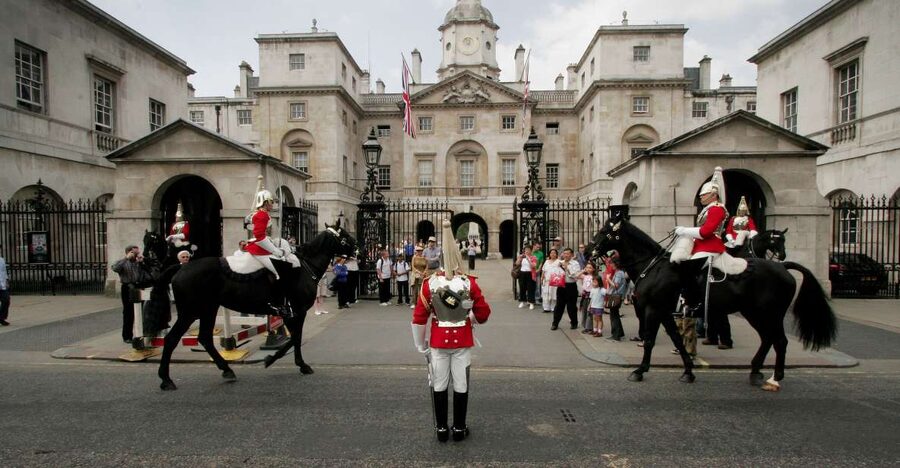
Book the Household Cavalry Museum if a compact museum with a working stable view sounds appealing, and if you are curious about the Life Guards, the Blues and Royals, or the traditions behind the Queen’s Life Guard. Its best features come together in one place: an 18th-century building, personal accounts from troopers, rare objects, and a glimpse of horses at work.
Skip it if you need a long attraction to fill the day or expect to walk through the stables. At $14, the ticket is easiest to justify when you value the subject and setting, rather than sheer size. Allow an hour, go in expecting a self-guided visit, and treat the glazed partition as a distinctive view into working life, not a stable tour.
FAQ
How much does the Household Cavalry Museum ticket cost?
The listed price is $14 per person.
How long should I allow for the visit?
Allow at least 60 minutes. You can spend longer if you want to read the displays carefully or watch the stables.
Where do I meet?
Meet directly at the Household Cavalry Museum in Whitehall.
Is a tour guide included?
No. The ticket includes museum entry, not a tour guide.
Can I see horses during the visit?
Yes. You can look through a large glazed partition into the original 18th-century stables, where troopers and horses work.
Can I enter the stables?
The experience provides a view through a glazed partition. It does not include direct access to the stables.
Is the museum wheelchair accessible?
Yes, the museum is wheelchair accessible.
Are pets allowed?
Pets are not allowed. Assistance dogs are permitted.
Is there an audio guide?
An audio guide is not included in the ticket information. A visitor has described the visit as being in English without an audio guide.
Can I cancel my booking?
Yes. You can cancel up to 24 hours in advance for a full refund.
Just reviewed in London
- London Royal Tour – Buckingham Palace Entry – 12 guests 2,5h★ 4.9 · 14 reviews
- Royal London Tour incl Buckingham Palace & Changing of Guard★ 3.8 · 33 reviews
- Royal London Walking Tour★ 3.9 · 11 reviews
- London: Royal Tour with Westminster Abbey & Afternoon Tea★ 3.0 · 3 reviews
- London: Tower of London & Changing of the Guard Experience★ 4.6 · 92 reviews
- London: Royal London Tour★ 3.7 · 46 reviews
- London: Professional Private Photoshoot and Edited Photos★ 5.0 · 4 reviews
- London: Kensington Palace Tour, Guard Change & Afternoon Tea★ 4.3 · 22 reviews
London Tours, compared.

Magical London: Harry Potter Guided Walking Tour
Read our review →
Stonehenge, Windsor Castle, and Bath from London
Read our review →
London Big Bus Hop-On Hop-Off Tour with Optional River Cruise
Read our review →
Browse the lists this tour appears in