
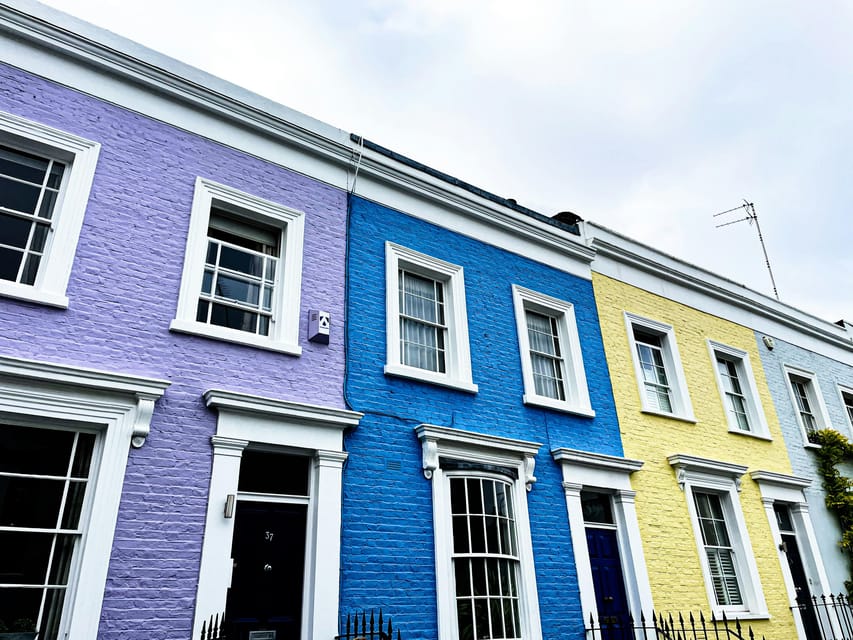
Reviewed · KENSINGTON PALACE TOURS
London: Kensington and Chelsea Guided Walking Tour
South Kensington’s grand museums, Kensington Gardens and Chelsea’s quiet mews all fit into this two-hour neighborhood walk. I like the contrast between Albertopolis, built around public learning, and the private garden squares and former stables of Chelsea. I also like that the route ends at Sloane Square, handy for continuing along King’s Road.
The main consideration is the kind of history you want. This is a guided stroll through a large area, not an in-depth museum visit, and the balance between architectural facts and local stories can depend on the guide. If you want a relaxed introduction to these neighborhoods, it should suit you; if you want extensive detail about every building and its former residents, look for a more specialized tour.
- Albertopolis began with the Great Exhibition: Hear how Prince Albert’s vision helped turn Exhibition Road into a center for museums and public learning.
- Kensington Gardens brings royal and Victorian landmarks together: See the Albert Memorial and the exterior of Kensington Palace during a peaceful park walk.
- Knightsbridge offers a change of pace: Red-brick mansions, embassies and Harrods show a more formal, luxurious side of London.
- Chelsea’s mews streets reveal a quieter past: Former stables now sit alongside Georgian and Victorian townhouses and private garden squares.
- The route ends at Sloane Square: From here, King’s Road offers an easy next stop for boutiques, cafés and galleries.
From South Kensington Station into Albertopolis
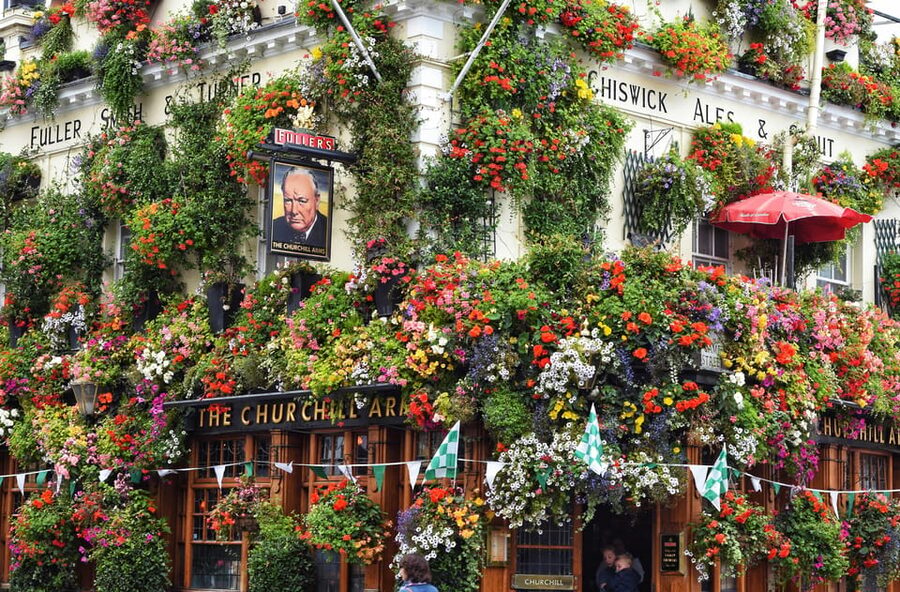
Meet outside South Kensington Station on Thurloe Street, in front of Viandas. The guide holds a tour sign, so you have a clear landmark for finding the group. From there, the walk heads into South Kensington, once a semi-rural part of London and now one of its most celebrated cultural districts.
The first stretch follows Exhibition Road, where the idea behind Albertopolis comes into focus. The Great Exhibition of 1851 helped inspire Prince Albert to promote a district devoted to art, science and education. That origin matters: these museums were conceived not simply as grand buildings, but as places where the public could learn and find inspiration.
The Victoria & Albert Museum is a central stop in this story. You can hear about its connection to the Great Exhibition and the broader Victorian ambition behind the area. The Natural History Museum and Science Museum also help explain the district’s purpose, though the tour is a walk rather than a museum admission. Entrance fees are not included, so plan separate time and tickets if you want to explore inside.
This context makes the opening especially useful if you are new to South Kensington. Instead of seeing the museum district as a row of impressive façades, you get a sense of why these institutions were grouped here and what their founders hoped they would do. The trade-off is time: two hours cannot cover the museums’ collections, so think of this section as an introduction rather than a substitute for a visit.
The Albert Memorial and Kensington Gardens
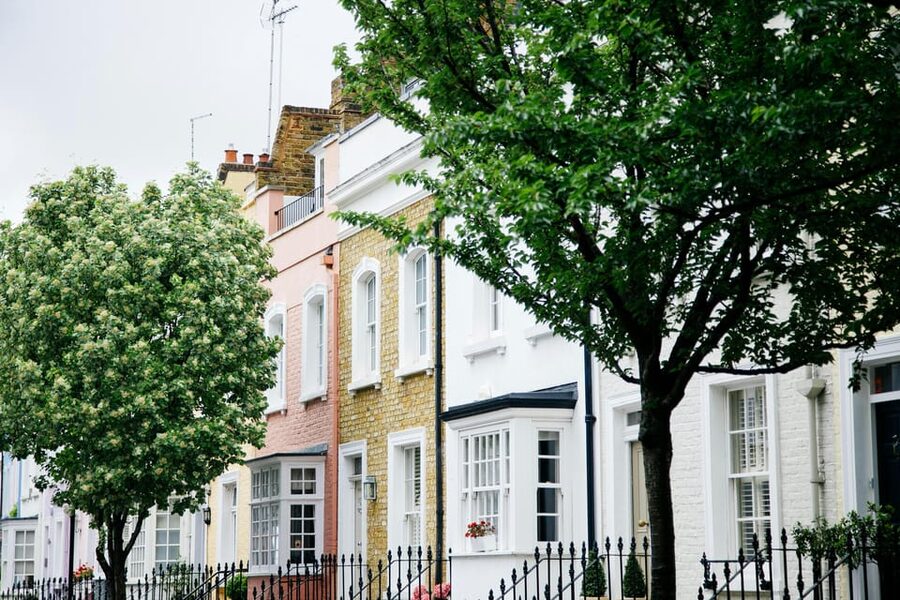
After the museum district, the route enters Kensington Gardens. The change from busy streets to broad park paths gives the walk a welcome pause, and the garden setting helps explain how royal ambition and Victorian planning shaped this part of London.
The ornate Albert Memorial is a highlight. Its scale and detail offer a striking contrast with the more restrained streets you have just left, while its place in the tour brings Prince Albert’s legacy back into view. The memorial is not just an isolated monument: it connects the park to the cultural project of Albertopolis and the Great Exhibition.
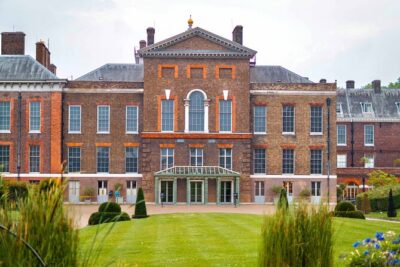
The walk also passes the exterior of Kensington Palace, once home to Princess Diana. You can take photographs and hear about the palace’s place in the royal surroundings. The tour does not include palace admission, so if you want to go inside, arrange that separately and allow more time than this route provides.
This park section is a good fit for anyone who likes a mix of city history and open space. The pace is described as relaxed, with opportunities to stop for photos. Comfortable shoes still matter: even a leisurely walk is less enjoyable if you are thinking about sore feet rather than the memorial.
More Kensington tours in London:
- The Kensington Palace Gardens Royal High Tea
★ 4.5 · 934 reviews - Kensington Palace Entrance Ticket
★ 3.5 · 557 reviews - London: Kensington Palace Gardens Tour with Royal High Tea
★ 4.6 · 325 reviews
Knightsbridge, from Mansions to Harrods
From Kensington Gardens, the walk moves into Knightsbridge, where London’s tone shifts again. Red-brick mansions and embassies give the streets a formal, residential character, while Harrods adds the spectacle of one of the city’s best-known department stores.
The value here is not just a chance to see a famous shop. Knightsbridge helps show how different kinds of influence sit close together in London: royal parkland, diplomatic residences, grand homes and high-end retail. Your guide can point out architectural details and explain how the area’s wealth and reputation developed.
Harrods is a natural photo stop, but this is not a shopping excursion. Food and drinks are not included, and the tour does not provide time or a plan for browsing the store. If shopping is your priority, consider returning after the walk rather than trying to fit it into the group’s pace.
For me, this stretch works best as a contrast to Chelsea. Knightsbridge feels more grand and public-facing; the next part of the route is more intimate, with narrow lanes and residential details. That change helps the walk feel like a passage through distinct neighborhoods rather than a parade of similar affluent streets.
Chelsea’s Mews, Townhouses and Garden Squares
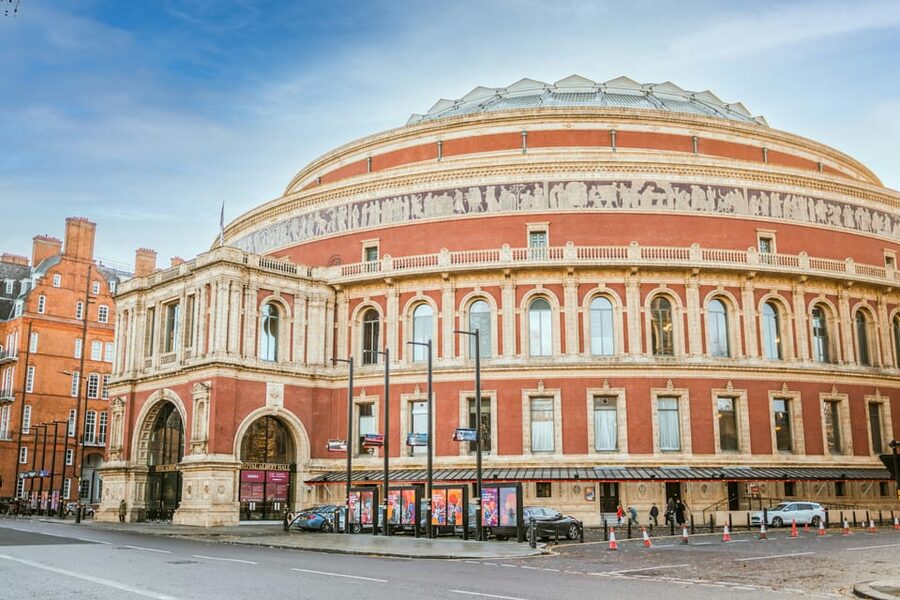
Chelsea brings the route down to a more human scale. Its mews streets began as service lanes and stables, and many have since become sought-after residences. Their original purpose gives them a different feel from the grand avenues nearby: the architecture tells a story about how a well-to-do household once worked behind the scenes.
You will also see Georgian and Victorian townhouses and pause near private garden squares. These squares are part of the neighborhood’s character, but they are private spaces, not public gardens to wander through. The walk lets you appreciate their setting and architecture from the street while your guide shares stories linked to local buildings and blue plaques.
Chelsea’s appeal also comes from its association with artists, writers, designers and radicals. The area’s creative past gives extra meaning to its quieter lanes, even when the visible details are elegant façades and tidy streets. A guide can connect those threads in ways that are easy to miss if you simply stroll through on your own.
This is where the tour’s storytelling matters most. One previous guide, Simona, was praised for bringing architecture, design, local customs and history together, and for keeping two young children involved. That is encouraging if you are walking as a family, though Simona may not lead every departure. If you prefer a lecture packed with dates and biographies, ask in advance what sort of historical detail your guide focuses on.
Finishing at Sloane Square and King’s Road
The walk concludes at Sloane Square, a useful endpoint rather than a remote corner of town. It gives you a natural chance to continue along King’s Road, once known as a center of 1960s fashion and rebellion and still lined with independent boutiques, cafés and galleries.
Ending here also makes the tour easy to extend at your own pace. You can stop for a drink, browse shops or simply call it a day after two hours on foot. Since food and drinks are not included, plan any café stop separately.
The route’s one-way design is practical: you begin near South Kensington’s museums and finish in Chelsea, covering distinct areas without retracing the same streets. It also means you should be comfortable finishing at Sloane Square rather than expecting to return to the starting point with the guide.
More walking tours in London:
- Magical London: Harry Potter Guided Walking Tour
★ 4.7 · 22,044 reviews - London: The Original Jack the Ripper Walking Tour
★ 4.7 · 7,833 reviews - Tour for Muggles The Ultimate Harry Potter Walking Tour in London
★ 5.0 · 4,684 reviews - London Jack The Ripper Guided Walking Tour
★ 5.0 · 3,131 reviews
What Two Hours and $26 Get You
At $26 per person, the price is reasonable for a live guided walk through several well-known London neighborhoods. You are paying for a guide’s route and interpretation, not for museum entry, transport, meals or a hotel pickup. That distinction matters when comparing the price with a longer attraction ticket or a tour that includes admissions.
The route’s best value is its range. In two hours, you get the Victorian vision behind the museum district, royal and memorial landmarks in Kensington Gardens, the polished streets of Knightsbridge and the more tucked-away residential details of Chelsea. You will not get a deep visit to any single museum or a full exploration of each neighborhood, but you do get a useful first map of the area.
The tour is step-free and described as suitable for all ages, including children. That makes it a practical option for families, and the relaxed pace and photo stops can help keep the walk manageable. Bring water and a camera, as recommended, and wear comfortable shoes.
Live tours are offered in English, German and Italian. If you are traveling alone, note that the tour generally requires at least two participants; contact the provider if the booking system will not accept a solo reservation. Custom dates or times may also be possible by request.
There is some flexibility if plans change: you can cancel up to 24 hours beforehand for a full refund, and the reserve-now, pay-later option lets you hold a place without paying immediately. Those terms are useful, but they do not change the basic decision: choose this for a guided neighborhood overview, not for guaranteed museum entry or specialist-level architectural study.
Who Should Book This Walk?
I would choose this tour if you want a gentle introduction to several west London districts and enjoy learning how architecture, public parks and local identity fit together. It is particularly appealing if you have already seen central London’s headline sights and want to spend time among quieter residential streets, or if you want a guide to make the museum district more legible before visiting its institutions.
Families may also find the mix helpful. There are well-known landmarks to catch a child’s eye, open garden space, and smaller street details to look for in Chelsea. The positive account of guide Simona involving two young children is a good sign, but remember that guide assignments can vary.
I would look elsewhere if your main goal is to enter the V&A, Kensington Palace or another attraction during the two-hour tour, or if you need a highly detailed account of particular buildings and historical figures. Those interests call for more time and a more focused plan.
Book it for breadth, local context and a relaxed walk from South Kensington to Sloane Square. Keep your expectations clear, bring good shoes, and treat the route as a starting point for exploring the museums, shops or cafés that catch your interest.
FAQ
Where does the tour start?
Meet outside South Kensington Station on Thurloe Street, in front of Viandas. The guide will hold a sign with the tour name.
Where does the tour finish?
The walk ends at Sloane Square, near King’s Road.
How long is the walk?
The tour lasts two hours and moves at a relaxed pace.
Which landmarks are included?
The route includes the South Kensington museum district, the Victoria & Albert Museum area, Kensington Gardens, the Albert Memorial, the exterior of Kensington Palace, Knightsbridge and Chelsea.
Does the tour include museum or palace entry?
No. Entrance fees are not included, and the tour covers the area and exterior of Kensington Palace rather than palace admission.
What languages are available?
Live guides are available in English, German and Italian.
Is the route wheelchair accessible?
Yes. The route is described as step-free and wheelchair accessible.
Can children join the tour?
Yes. The walk is suitable for people of all ages, including children.
Can I book as a solo traveler?
The tour generally requires a minimum of two participants. If you cannot book alone, contact the provider to ask about available time slots.
More stadium tours in London
- London: Emirates Stadium Entry Ticket and Audio Guide
★ 4.7 · 5,513 reviews - London: Chelsea Football Club Stadium and Museum Tour
★ 4.8 · 4,576 reviews - London: Wembley Stadium Guided Tour
★ 4.7 · 3,629 reviews - Chelsea FC Stadium Tours and Museum
★ 5.0 · 1,908 reviews
Just reviewed in London
- London: London Food Walking Tour★ 5.0 · 22 reviews
- London: Westminster Abbey, Tower of London and Boat Tour★ 4.7 · 74 reviews
- Woolf & Dickens: London Literary Tour & Writing Workshop★ 5.0 · 3 reviews
- London: London Sightseeing Walking Tour with 30+ Sights★ 4.9 · 156 reviews
- London: Les Misérables and 3-Course Meal & Sparkling Wine★ 5.0 · 9 reviews
- London: Leeds Castle, Canterbury, Dover, Greenwich Day Trip★ 4.1 · 5 reviews
- London: Lights & Sights Of London: 30+ London Sights At Dusk★ 4.8 · 4 reviews
- London: Kia Oval Cricket Ground Tour★ 4.3 · 66 reviews
Kensington Palace Tours, compared.

VIP Kensington Palace Gardens Tour & Royal Tea Crown Experience
Read our review →Browse the lists this tour appears in