
Reviewed · LONDON TOURS
London: Museum of Brands Skip-the-Line Ticket
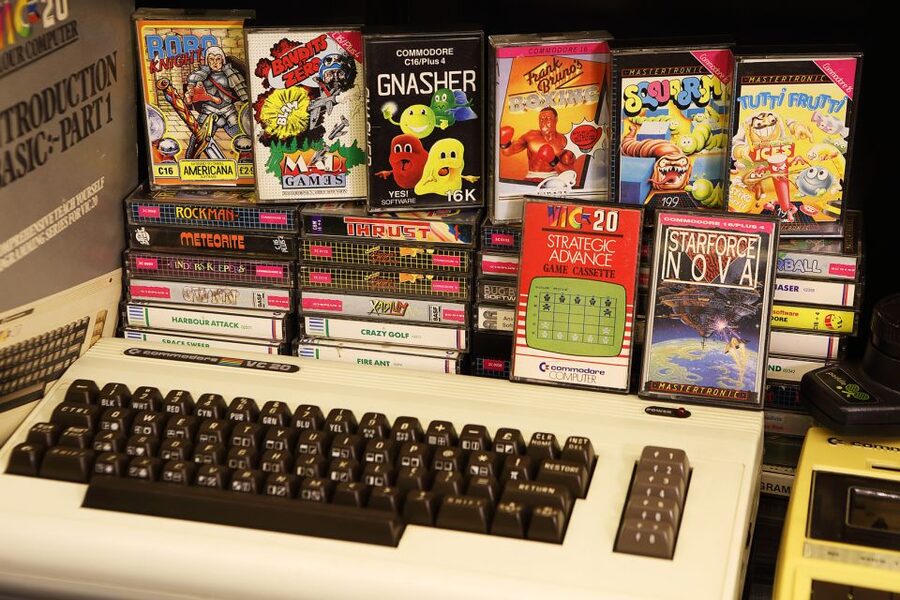
London’s Museum of Brands turns everyday packaging into a record of how people lived. Its Time Tunnel lines up more than 12,000 objects across 200 years, putting familiar products alongside major events and shifts in daily life, from Victorian times to the digital age.
I like two things in particular: the chronological route makes social change easy to follow, and the collection connects big milestones to ordinary habits such as shopping, travel and entertainment. The garden also gives you a quiet place to pause after a tightly packed visit.
One consideration: this is a museum visit, not a guided tour with a named guide or a long list of scheduled activities. The displays reward curiosity, but if you are not interested in packaging, advertising or nostalgia, you may find the subject narrower than London’s larger museums.
What to Know Before You Go
- The Time Tunnel runs through 200 years: See consumer culture placed alongside coronations, wars, the moon landing and the digital age.
- More than 12,000 items make up the collection: Packaging and brands are the starting point for looking at changing habits and tastes.
- Entertainment gets its own thread: The displays track the arrival of cinema, radio and television, with vintage TV adverts to watch after the main route.
- Temporary displays change the focus: Past subjects have included 1950s toys, the London Punk scene, chocolate brands and biscuit tins.
- Portobello Road is five minutes away: The museum is on Lancaster Road in Notting Hill, making it easy to pair with a market visit.
- Admission includes the garden: Food and drinks are extra, so budget separately if you fancy cake, coffee or a glass of Prosecco.
The Time Tunnel Makes Brands Part of the Story
The museum’s central route is called the Time Tunnel, and its chronological layout is the key to understanding the collection. Rather than presenting packaging as a jumble of old labels, it sets brands against the periods in which people encountered them. You can follow changes in consumer culture from Victorian times through the present day.
That structure helps make an enormous collection feel legible. A brand is not only a name or logo. Its packaging can reflect what people bought, how products were made and sold, and what looked modern or desirable at the time. You may recognize products from your own life, while older examples offer a glimpse of households and habits you never knew.
The displays also place everyday goods beside major events, including royal coronations, two world wars and the moon landing. That contrast is the museum’s most useful idea: history is not only made of political decisions and public landmarks. It is also visible in what people carried home, watched, ate and talked about.
The route continues into the digital age, so the story does not stop with the objects that feel most nostalgic. That matters if you are visiting with children or younger adults. They may connect first with newer brands, while older visitors may find their own memories stirred by products from childhood. Either way, the exhibits offer a shared subject across generations.
More museum visits in London:
- Tower of London and Crown Jewels Exhibition Ticket
★ 4.5 · 6,677 reviews - London: Chelsea Football Club Stadium and Museum Tour
★ 4.8 · 4,576 reviews - Chelsea FC Stadium Tours and Museum
★ 5.0 · 1,908 reviews
Travel, Leisure and Entertainment in Everyday Life
The Time Tunnel tracks how transport changed daily life, including the arrival of the railway, the motor car and the airplane. These developments altered how far people could travel and how they thought about leisure. In a museum focused on consumer culture, that connection helps explain why travel became more than a practical matter: it also shaped aspiration and recreation.
Entertainment is another strong thread. The displays trace the arrival of cinema, radio and television, showing how new technologies changed the ways people spent time and shared popular culture. The subject goes beyond machines. It includes the adverts and brands that became part of home life as entertainment moved into living rooms.
Once you finish the Time Tunnel, you can watch television adverts from the past. This is a welcome change of pace after looking closely at objects and displays. Advertising makes the collection feel more immediate: it shows products not only as things to buy, but as ideas being sold to an audience.
The museum’s focus reaches beyond shopping. Its themes include leisure, music and broader changes in lifestyle. That wider frame is useful because consumer culture can sound like a narrow subject. Here, it is a way to consider how everyday life changed as new forms of travel, communication and entertainment arrived.
Familiar Packaging, Unexpected Memories
The collection’s scale is striking, but the objects are often most interesting when they feel personal. A familiar packet or logo can bring back a particular decade, a childhood treat or a family routine. That emotional recognition helps explain the appeal of the museum: it turns small, ordinary things into prompts for memory.
I would not expect every item to mean something to every visitor. Some packaging will be tied to a time or place you know; other displays may be more of a historical curiosity. The pleasure comes from moving between those two responses. One object might be instantly familiar, while the next shows how much design and taste have changed.
A recent visitor described the pleasure of recognizing their childhood in the displays. That is a useful clue for deciding who will enjoy the museum most. If you like looking at old products and comparing them with what is sold today, the collection offers plenty to talk about. If you prefer exhibits centered on one famous person or a single event, its broad, everyday subject may feel less focused.
The museum’s attention to packaging also gives you an accessible way into history. You do not need specialist knowledge to notice changes in shape, color or presentation. You can simply ask what a product says about the people it was made for, and what has changed since then.
Temporary Displays Keep the Museum Moving
Alongside the permanent collection, the museum has temporary displays. Past subjects have included 1950s toys, the London Punk scene, chocolate brands and biscuit tins. These examples suggest a varied program, shifting from popular music and youth culture to the design and appeal of familiar products.
That variety can make a repeat visit worthwhile, though the exact exhibition on view will depend on when you go. If a particular subject interests you, check what is currently being shown before setting out. The information here does not guarantee that any one past display will be on view during your visit.
Temporary displays also help balance the large chronological story. The Time Tunnel gives you a broad sweep through decades, while a focused exhibition can let you spend more time with one subject. You may find that a small, specific theme is the part of the visit you remember best.
The exhibits are included with museum admission, so there is no separate ticket listed for these displays. Their changing nature is a bonus rather than the main reason to book, especially if this is your first visit and you want to see the permanent collection.
More skip-the-line entries in London:
- Skip the Line Tower of London & Westminster Tour and River Cruise
★ 5.0 · 730 reviews - London: Westminster Abbey Skip-the-line Entry & Guided Tour
★ 4.9 · 368 reviews - London: Natural History Museum Private Tour & Skip the line
★ 5.0 · 42 reviews - Skip-the-line View from The Shard & Private Tour of London
★ 4.7 · 6 reviews
The Memorial Garden Is a Useful Pause
The museum includes an award-winning memorial garden, and admission covers access to it. After a route full of objects, dates and memories, a place to sit outdoors can make the visit feel less rushed. You do not need to treat the museum as a race through the displays.
Food and drinks are not included. You can choose to have cake and coffee or a glass of Prosecco in the garden at your own expense, or simply use the space for a quiet break. The garden is a pleasant part of the visit, but it should not be the main reason to buy a ticket if the museum itself does not appeal.
The gift shop offers souvenirs connected to the collection as well as treats. That gives you a chance to take home something related to the museum’s subject, though purchases are personal expenses and not part of admission.
Making a Day of Notting Hill
The museum is on Lancaster Road, in the heart of Notting Hill, five minutes from Portobello Road Market. That location makes it straightforward to combine the exhibits with a wander through the neighborhood or a market visit. The museum is compact enough to fit into a broader day out, though the right amount of time depends on how closely you like to read and compare displays.
The ticket is valid for one day from first activation. The stated visit duration is one day, but that describes the ticket’s validity rather than a guided itinerary or a fixed-length tour. You can plan around the museum’s opening hours and give yourself as much of the day as suits your schedule.
The museum is open Monday through Saturday from 10:00 AM to 6:00 PM. On Sundays and bank holidays it opens from 11:00 AM to 5:00 PM. It is closed August 27, 28 and 29, December 24, 25 and 26, and January 1, so check the date before making a special trip.
The experience is wheelchair accessible. The host or greeter language is English, but the visit is organized around museum displays rather than a named guide. No guide names are provided, so book this for the collection and self-guided experience rather than for a live guided commentary.
Is $18 Good Value?
At $18 per person, admission includes the museum, temporary displays and garden. The value depends on your interest in the subject. If you enjoy design, advertising, social history or the simple pleasure of recognizing old brands, the price buys more than a quick glance at vintage packaging: it gives you a chronological account of how consumer life changed over two centuries.
The scale of the collection, with more than 12,000 items, supports a thoughtful visit. You can move at your own pace, follow the main story, spend longer with a familiar brand or take a break in the garden. The ticket also includes temporary displays, which may add a different angle to the permanent route.
There are limits to the value. Food, drinks and shop purchases cost extra, and the museum’s subject is specific. If packaging and advertising leave you cold, $18 may feel steep for a visit that is centered on them. For a curious visitor who enjoys noticing how everyday life changes, though, the price is reasonable, especially when paired with Portobello Road nearby.
The skip-the-line ticket is useful if you want admission arranged in advance, but it does not change the nature of the visit. You are paying to enter the museum, not for a guided group, a meal or a set schedule. Flexible booking is available, with the option to reserve now and pay later; cancellation is permitted up to 24 hours in advance for a full refund.
Who Should Book This Visit?
I would recommend the museum to anyone who enjoys social history told through ordinary objects. It is a good fit for adults who like nostalgia, families with different generations to compare memories, and visitors curious about how transport and entertainment changed everyday life. The chronological setup makes it approachable even if you do not arrive with specialist knowledge.
It also suits a Notting Hill itinerary. Five minutes from Portobello Road, the museum can add a quieter, more reflective stop to a day in the area. The garden gives you a place to pause, and the changing exhibits offer another reason to check what is on before you go.
I would skip it if you want a guided tour with a named expert, a hands-on activity or a museum focused on one major historical subject. But if familiar products can spark a conversation about memory and change, this small museum makes a practical, distinctive stop. Book it if the story of everyday life interests you, and leave time to browse the displays rather than rushing straight to the garden.
FAQ
Where is the Museum of Brands?
It is on Lancaster Road in Notting Hill, in South East England. Portobello Road Market is about five minutes away.
What does the $18 ticket include?
Admission includes entry to the museum, temporary displays and the garden.
How long is the ticket valid?
It is valid for one day from first activation.
What are the museum’s opening hours?
It is open Monday through Saturday from 10:00 AM to 6:00 PM. On Sundays and bank holidays, it is open from 11:00 AM to 5:00 PM.
When is the museum closed?
It is closed August 27, 28 and 29, December 24, 25 and 26, and January 1.
Is the museum wheelchair accessible?
Yes. The museum is listed as wheelchair accessible.
Are food and drinks included?
No. Food and drinks are extra. Cake, coffee and Prosecco are available at your own expense.
What can I see at the museum?
The collection includes more than 12,000 items and follows consumer culture from Victorian times to the digital age. You can also watch vintage TV adverts and see temporary displays.
Can I cancel my booking?
Yes. You can cancel up to 24 hours in advance for a full refund.
Just reviewed in London
- London: Royal Kensington Guided Walking Tour★ 4.6 · 13 reviews
- London: Rock N Roll Beatles Private Black Cab Tour★ 5.0 · 36 reviews
- Roman Ruins to Blitz Bombings: London’s Fiery History★ 5.0 · 15 reviews
- London: “Queen” Highlights Walking Tour★ 4.3 · 48 reviews
- London: River Thames Sunset Speedboat Experience with Drink★ 4.9 · 25 reviews
- London: Rock and Roll Taxi Tour★ 4.9 · 8 reviews
- London 1- or 2-Hour Professional Photo Shoot★ 4.9 · 6 reviews
- Secrets of London Bike Tour: Thames, Tower Bridge & Market★ 4.8 · 42 reviews
London Tours, compared.

Magical London: Harry Potter Guided Walking Tour
Read our review →

Stonehenge, Windsor Castle, and Bath from London
Read our review →
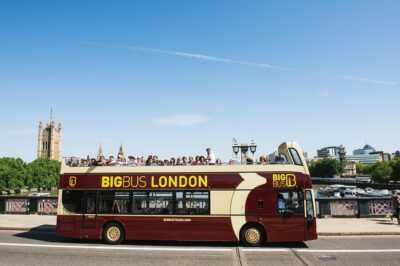
London Big Bus Hop-On Hop-Off Tour with Optional River Cruise
Read our review →
Browse the lists this tour appears in