
Reviewed · GREENWICH TOURS
Royal Observatory Greenwich & Prime Meridian Entrance Ticket
Greenwich is where an invisible line became a world standard. At the Royal Observatory, you can put one foot in each hemisphere, then explore the rooms where astronomers worked to solve practical problems of time, navigation and measuring longitude.
I like two things especially: the Meridian Line makes a big idea tangible, and the Octagon Room and marine clocks give the science a human story. The hilltop setting also brings a fine view across Greenwich Park and London.
The main drawback is the climb. The observatory sits on a steep hill, and the walk can be tiring, particularly if mobility is an issue. This is a self-guided visit, and the planetarium show is not included in the ticket.
Key points
- Stand astride the Prime Meridian: Put a foot on either side of the line dividing east and west longitude.
- See Flamsteed House and the Octagon Room: Sir Christopher Wren designed the building, and its historic interior is one of the visit’s main draws.
- Follow the story of time and navigation: Learn about astronomers and inventors including John Harrison, Isaac Newton, Edmond Halley, James Bradley and George Airy.
- Take in the hilltop view: Look across Greenwich Park, the Thames and the City of London.
- Know what your ticket covers: Observatory and Meridian Line entry are included; a Planetarium show is extra.
- Plan for the slope: The approach is steep, so leave time and energy for the walk up.
Greenwich’s Meridian Line makes geography personal
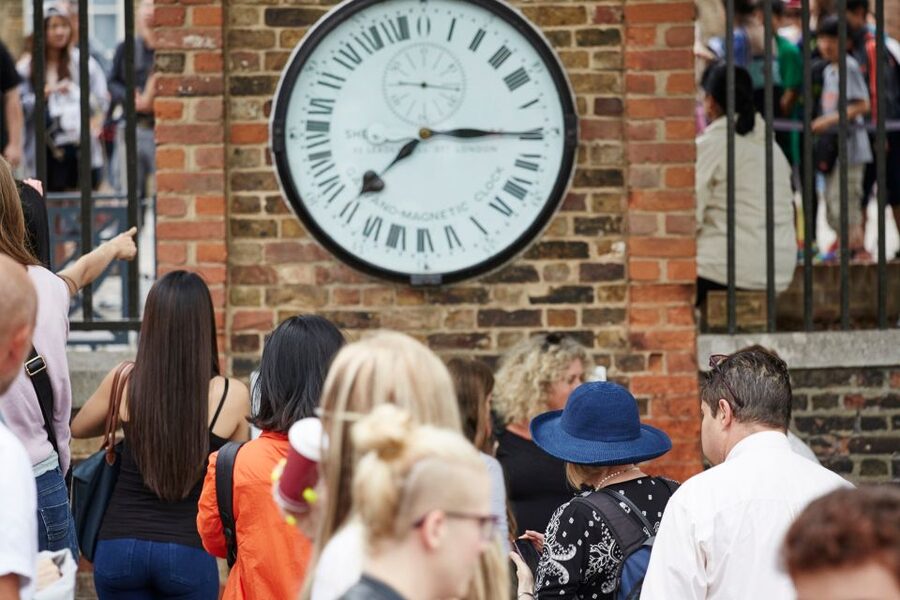
The headline moment is simple and memorable: stand astride the Greenwich Meridian, with one foot in the Eastern Hemisphere and one in the Western Hemisphere. It is a short stop, but the line turns geography from an abstract map concept into something you can literally pose beside.
The Prime Meridian runs at zero degrees longitude. Greenwich was chosen as the world’s Prime Meridian in 1884, helping establish a shared reference point for mapping and timekeeping. That choice still shapes how we describe location around the globe, so this is more than a photo opportunity. The line gives the rest of the observatory visit a clear purpose.
Expect this area to be popular, particularly with people keen to get a picture standing across the line. You do not need a long visit to understand the basic idea, but it is worth pausing to connect the marker to the displays about navigation and measuring longitude. The place makes the most sense when you treat the line as the start of the story, not the whole attraction.
More Greenwich visits in London:
- Westminster to Greenwich Sightseeing Thames Cruise in London
★ 4.5 · 2,969 reviews - Leeds Castle, Canterbury, Dover & Greenwich Boat ride
★ 4.5 · 604 reviews - ‘Cutty Sark’ Entrance Ticket
★ 4.5 · 373 reviews
Flamsteed House brings astronomy down to earth
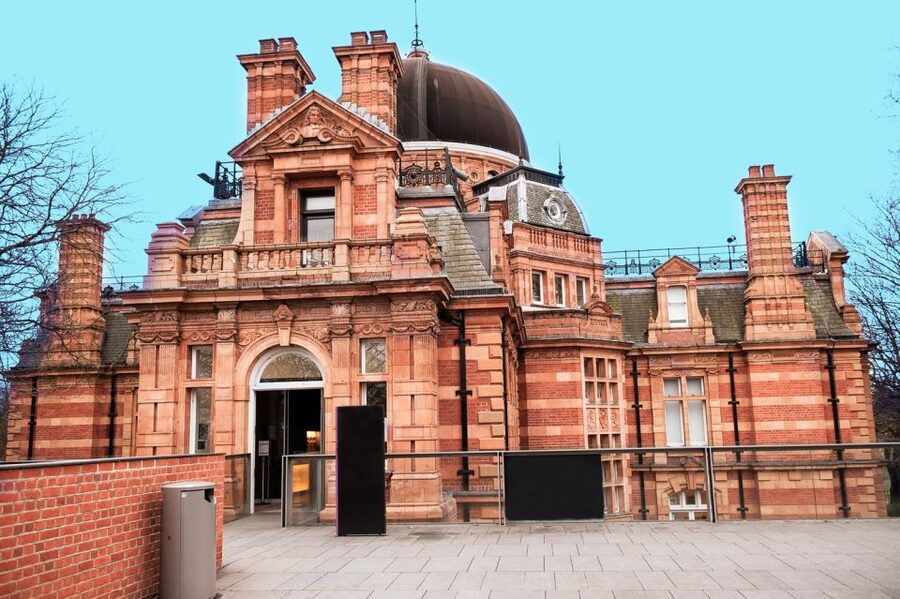
The observatory dates to the 17th century, when accurate star observations helped sailors navigate at sea. Flamsteed House, designed by Sir Christopher Wren, was built as a working home for the first Astronomer Royal, John Flamsteed. Its historic rooms help you imagine astronomy not as a distant science, but as careful work carried out in a real home and workplace.
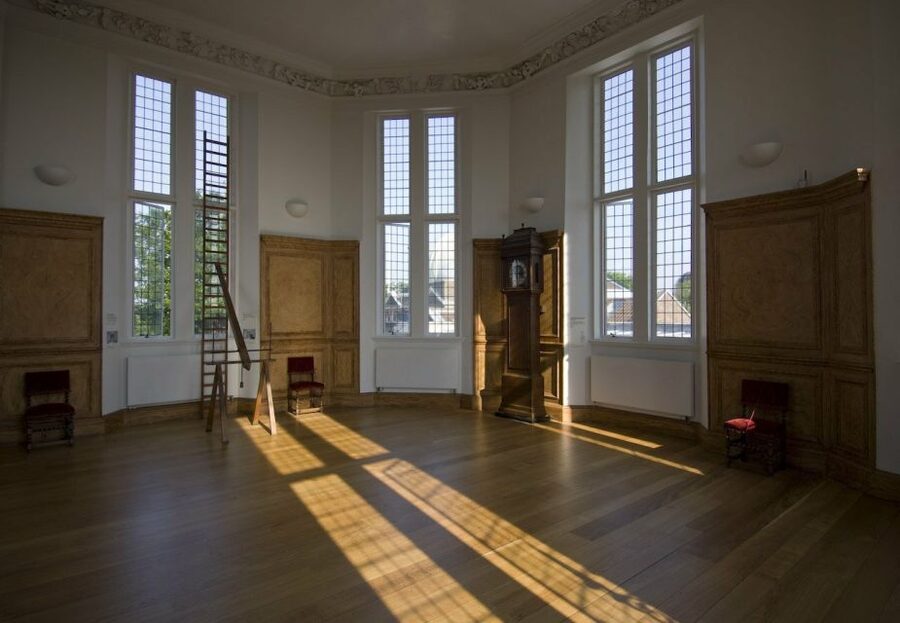
The Octagon Room is the building’s centrepiece. It is among Wren’s best-preserved interiors in London, and the combination of grand design and scientific purpose is part of its appeal. The room feels different from a modern display hall: you are looking at a historic space shaped for observation, not just reading about one.
The house and its residents may interest you as much as the instruments. One visitor’s favorite part was seeing the rooms where the astronomers lived, and that is a useful expectation to bring. The visit is not solely about looking through telescopes or learning about stars. It also explores the people, routines and buildings behind British astronomy.
Longitude and marine clocks tell the practical story
The Royal Observatory’s most compelling subject is often not the stars themselves, but the problem of finding your position at sea. Latitude could be estimated from the height of the Sun or stars, but longitude was harder to calculate. Reliable timekeeping offered a solution, and the work of clockmaker John Harrison became central to that effort.
Look for the story of Harrison’s marine clocks. These timekeepers were designed to keep accurate time aboard ships, where changes in temperature, motion and conditions could throw ordinary clocks off. Their story makes the observatory’s work feel useful and urgent: better timekeeping could help sailors work out their longitude and navigate more safely.
The wider displays connect Harrison with figures such as Newton, Halley, Bradley and Airy. You do not need to arrive as an astronomy enthusiast to follow the basic thread. The key ideas are time, stars, longitude and navigation, and the exhibits give you a way to see how those pieces fit together.
A self-guided visit lets you move at your own pace, which suits anyone who wants time to read or linger. Your ticket includes a downloadable guide, available in English, Spanish, Chinese, French, German, Italian, Korean and Portuguese. Bring a charged phone if you plan to use it. A separate multimedia guide is not specifically included, so check what the downloadable guide offers before you go if audio commentary is important to you.
The hilltop view is part of the attraction
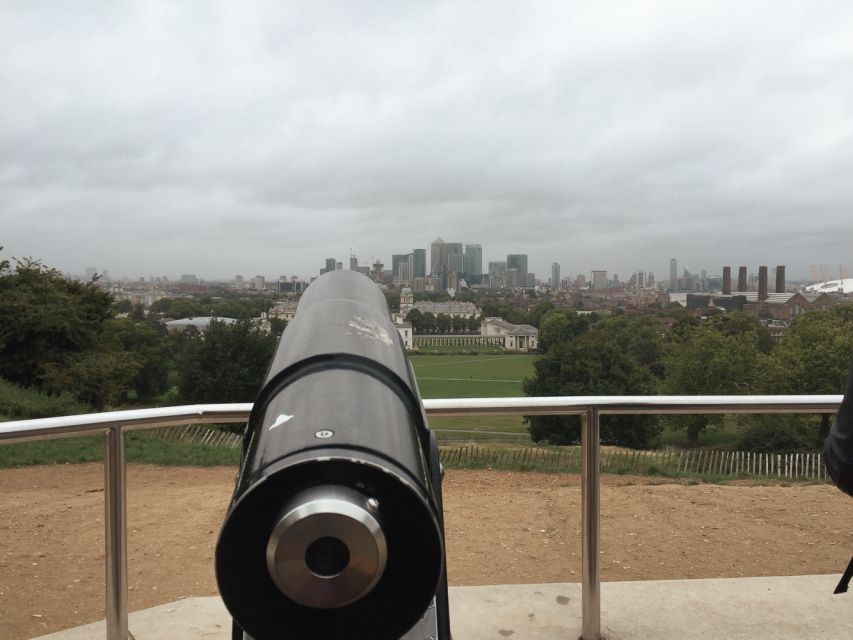
The Royal Observatory stands within Greenwich Park, above the surrounding streets. From the hilltop, you can look across the park toward the Thames, the City of London and Canary Wharf. The outlook is one of the strongest reasons to make the climb, even if astronomy is not your main interest.
The walk itself deserves honest planning. The route up from the park entrances and nearby riverside areas can be steep, and the hill may feel like a workout after a full day of sightseeing. Allow time for the ascent rather than rushing to a timed plan elsewhere. If mobility is a concern, note that the activity is described as wheelchair accessible, but that does not remove the challenge of reaching the hilltop. Check the route and access details with the venue before setting out.
The park setting also makes this an easy place to pair with other Greenwich sights. The National Maritime Museum and the Cutty Sark are nearby, and the shopping area is within reach. You can make the Observatory one part of a broader Greenwich day, or simply spend a quieter stretch in the park after your visit.
Directions around Greenwich can take a little attention. Signs from Cutty Sark station have been confusing for some people, so check your route before you start walking. The hill is the key practical detail, whichever way you approach it.
More tickets in London:
- London: The London Eye Entry Ticket
★ 4.6 · 35,875 reviews - London: Tower Bridge Entry Ticket
★ 4.7 · 15,560 reviews - London: St Paul’s Cathedral Entry Ticket
★ 4.7 · 9,813 reviews - London: London Eye and Madame Tussauds Combo Ticket
★ 4.7 · 7,428 reviews
The timing ball offers a small live moment
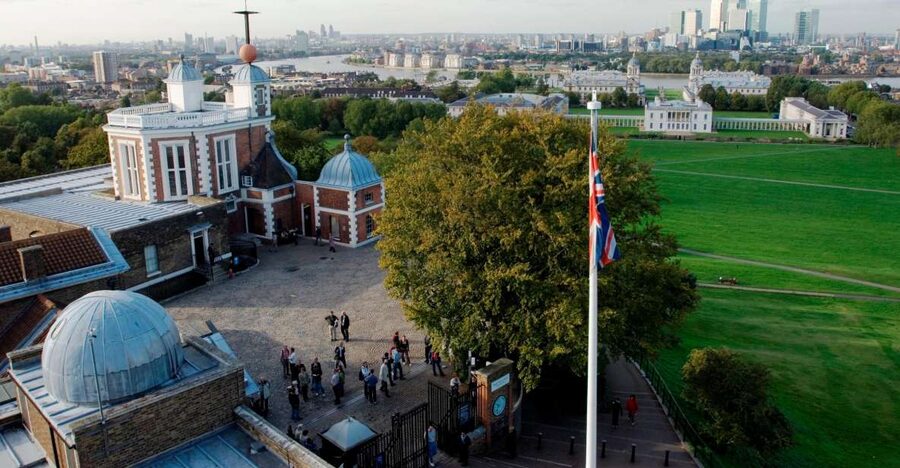
The Observatory’s timing ball is an appealing detail for anyone interested in how people once synchronized clocks. One useful tip is to try to catch its drop at 13:00, which signals the time precisely. If seeing it matters to you, confirm that it is operating during your visit rather than building your whole schedule around an assumption.
This small event adds a living element to a site otherwise focused on historic rooms and displays. It is also a good reminder that the observatory was not just a place to study the heavens. It helped solve everyday problems of time and navigation, with consequences far beyond Greenwich.
The Astronomy Centre and planetarium are different experiences
The modern Astronomy Centre extends the visit beyond the historic house. You can encounter displays about space and, according to the attraction information, touch a meteorite estimated to be 4.5 billion years old. That is an unusual way to connect a vast stretch of cosmic time with something you can experience at close range.
The Peter Harrison Planetarium offers a more immersive presentation of space, but the show is not included in this entrance ticket. You can buy a separate ticket at the venue, though availability and show times are not specified here. If the planetarium is a priority, check its schedule and ticket options before you go.
Keep your expectations clear: the Observatory visit is self-guided, while a planetarium show is a separate extra. The distinction matters if you are comparing the basic ticket with a fuller visit. The included material and historic site can make a worthwhile visit on their own, but the planetarium is the better choice if you want a dedicated presentation about space.
What the $32.33 ticket is worth
At $32.33 per person, this ticket is best value if you plan to explore the historic rooms, follow the longitude story and spend time at the Meridian Line. You also get the hilltop setting and its London view, which turns the visit into more than an indoor museum stop. For people interested in astronomy, geography or the history of navigation, the combination gives the price a clear purpose.
The value is less convincing if you only want a quick photo at the Meridian Line. The climb takes effort, and the included visit is self-guided. You will get more from the ticket if you give the exhibits time, especially the rooms and the story of Harrison’s clocks.
Remember to add the planetarium show to your budget if you want to see one. It is an extra, not part of the entry ticket. The Observatory ticket is valid for one day, and availability should be checked for starting times. Free cancellation up to 24 hours ahead and a reserve-now, pay-later option offer flexibility when plans are still taking shape.
Who will enjoy this visit most
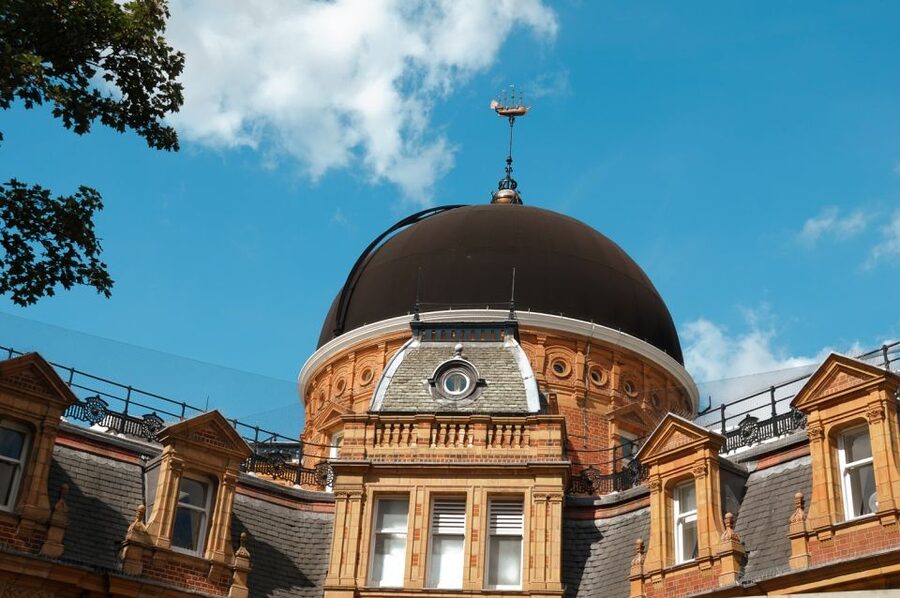
I would recommend the Observatory to teenagers and adults who like practical science, geography or the story of how people learned to navigate. The line itself is fun for families, while the exhibits give older children a chance to connect longitude and time with real-world problems. The historic rooms and views also make the visit worthwhile if you are more interested in London’s heritage than in astronomy.
You may find it less satisfying if you expect a guided tour or a planetarium show to be included. The ticket is self-guided, and the planetarium costs extra. A downloadable multilingual guide is included, but the visit depends on your own pace and interest.
The setting rewards a slower plan. Give yourself room for the uphill walk, time in Flamsteed House and a pause for the view. If you are short on energy or traveling with someone who finds steep slopes difficult, check the approach before committing. The hill is not a minor footnote; it shapes how comfortable the visit will feel.
Should you book the Royal Observatory ticket?
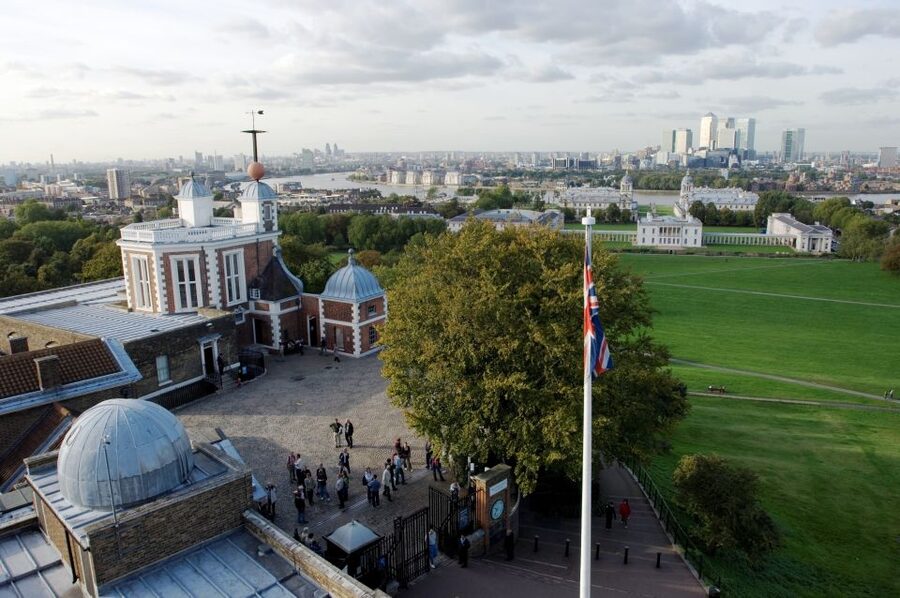
Book it if you want to stand on the Prime Meridian and understand why Greenwich became central to timekeeping and navigation. The best parts work together: the line, the Octagon Room, Harrison’s clocks and the view give you several reasons to stay beyond a quick photograph.
Skip it, or plan carefully, if a steep uphill walk is not manageable or if you expect a guided tour and planetarium show for the listed price. For a curious visitor who enjoys history with a practical scientific angle, this is a distinctive Greenwich stop. Add the planetarium only if you want that extra presentation and have checked its availability.
FAQ

What does the Royal Observatory ticket include?
It includes entry to the Royal Observatory Greenwich and the Prime Meridian, plus a multilingual downloadable guide. The visit is self-guided.
Is a planetarium show included?
No. A show at the Peter Harrison Planetarium is not included in this ticket and costs extra.
Which languages are available for the downloadable guide?
The guide is available in Spanish, Chinese, English, French, German, Italian, Korean and Portuguese.
How long is the ticket valid?
The ticket is valid for one day. Check availability for starting times.
Can I stand on the Prime Meridian Line?
Yes. The ticket includes access to the Meridian Line, where you can stand with one foot in the Eastern Hemisphere and one in the Western Hemisphere.
Is the Royal Observatory wheelchair accessible?
The activity is listed as wheelchair accessible. The approach includes a steep hill, so check access and route details with the venue if the climb may be difficult for you.
Can I cancel the ticket?
Yes. You can cancel up to 24 hours in advance for a full refund.
Just reviewed in London
- Paris Explorer Rail Tour from London with Paris Sightseeing Bus★ 4.0 · 111 reviews
- Welcome to Paris Day Trip from London via Train★ 4.5 · 124 reviews
- London: Self-Guided Notting Hill Walking Tour with an APP★ 4.3 · 120 reviews
- Photoshoot at Notting hill,Covent Garden,St Paul Cathedral★ 4.4 · 12 reviews
- London: The Shard Entry Ticket with Champagne★ 4.5 · 147 reviews
- London: Full Day Tower, St. Paul’s, Cruise & Eye Experience★ 4.6 · 168 reviews
- Hidden Tube Tour – Piccadilly Circus: The Heart of London★ 4.4 · 15 reviews
- Notting Hill Walk Celebrities and Film Locations- London★ 4.5 · 156 reviews
Greenwich Tours, compared.

Westminster to Greenwich Sightseeing Thames Cruise in London
Read our review →
Leeds Castle, Canterbury, Dover & Greenwich Boat ride
Read our review →

Leeds Castle, Canterbury, Dover & Greenwich Cruise from London
Read our review →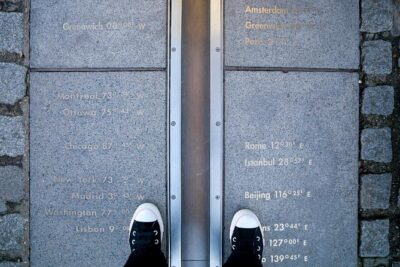
Royal Observatory Greenwich & Prime Meridian Entry Ticket London
Read our review →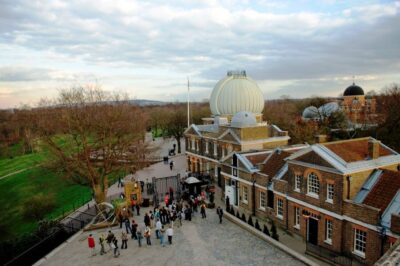

Leeds Castle, Canterbury, Dover, Greenwich & Free Snack Pack
Read our review →
Greenwich: Painted Hall Entry and Old Royal Naval College
Read our review →Browse the lists this tour appears in