

Reviewed · LONDON WALKING TOURS
Slavery and City of London Walking Tour
London’s financial district grew in part from wealth tied to slavery, and this walk follows that history on streets where the evidence can be easy to miss. Starting near the Tower of London, Sam connects Roman Londinium, the East India Company, sugar and coffee trading, and the abolition movement to buildings and sites still familiar today.
I like that the tour pairs well-known landmarks with details you could walk past without noticing, and that it gives abolitionist John Newton and anti-slavery campaigner Granville Sharp a place in the story. Sam also brings in Roman and Victorian London, which helps you see the City as more than a cluster of banks and grand facades.
One consideration: the listed duration is about 90 minutes, while the walk is also described as lasting around two hours. The tour deals with a difficult subject, and its compact format means it can only touch on a long, complicated history.
- The Roman wall sets a long timescale: The walk begins with Londinium’s ancient boundary and the enslavement of Britons by Romans.
- The East India Company site links finance and empire: The company’s former headquarters stood in the City and relied on slave labor and trafficking.
- Coffee and sugar connect everyday trade to plantation slavery: The Jamaica Coffee House was a hub in the West Indies sugar trade.
- Abolition is part of the route, not an afterthought: You’ll hear about Granville Sharp and John Newton, as well as the Gilt of Cain sculpture.
- Sam’s storytelling is central to the experience: Expect architecture, oral history, and images to bring less familiar stories into view.
A City walk with a difficult subject at its center
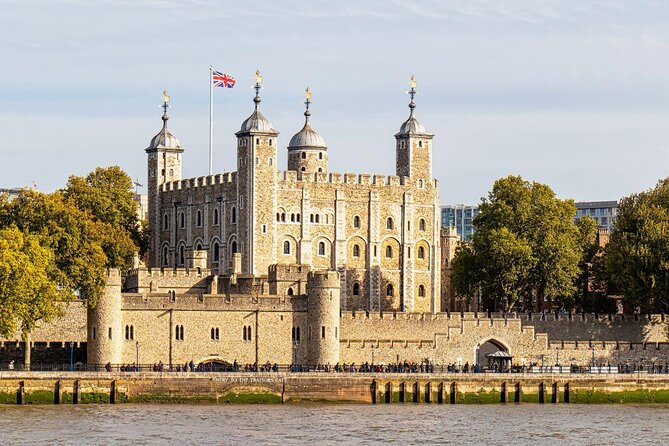
This is not a standard City of London sightseeing walk with slavery added as a brief footnote. Its focus is how British power and prosperity were connected to enslavement, how those connections show up in London’s built environment, and how abolitionists challenged the trade.
That focus gives familiar places a different meaning. A church, a company headquarters site, or a bank can become a clue to networks of commerce and influence that reached far beyond the City. Sam is said to support the walk with oral history and images he has collected through his studies, alongside the physical evidence in the streets.
The tour also reaches further back than the transatlantic trade. At the Roman wall, the story begins with the Romans enslaving people in Britain. This broader frame helps you understand that the history of slavery is not confined to one era, while the tour’s later stops bring attention back to London’s role in the Atlantic system.
Sam’s delivery matters here. The walk is described as a conversation rather than a string of dates, with Roman and Victorian London woven into the main subject. That approach can make a heavy topic easier to follow without making it feel light or simple.
The Roman wall and the City’s older boundaries

The meeting point is at Tower Hill, near the Tower of London. The first named stop is a section of the Roman wall of Londinium, a reminder that the City’s story began long before its modern financial district. The wall helped define the ancient settlement, and traces are still visible in and around the City.
Sam connects this Roman history with the enslavement of Britons. The tour’s unusual framing is that Britain’s history of enslavement reaches back roughly 2,000 years, rather than beginning only with the transatlantic trade. The story also includes an African Roman emperor associated with the wall, a detail that complicates the way many people picture Roman Britain.
The stop is brief, listed at five minutes, so expect a sharp introduction rather than a long archaeological lesson. Its value is in setting a wider historical context before the walk turns toward the companies, buildings, and institutions tied to later trade.
More walking tours in London:
- Magical London: Harry Potter Guided Walking Tour
★ 4.7 · 22,044 reviews - London: The Original Jack the Ripper Walking Tour
★ 4.7 · 7,833 reviews - Tour for Muggles The Ultimate Harry Potter Walking Tour in London
★ 5.0 · 4,684 reviews
Granville Sharp and the Ordnance Office
Near the Tower, the walk points out the former Ordnance Office, where Granville Sharp worked. Sharp became one of the most prominent anti-slavery figures in 18th-century Britain, and this connection places abolitionist history in an ordinary working setting rather than only in grand halls or memorials.
The stop helps give the tour a human thread. You’re not just following the money and institutions that supported slavery; you’re also learning about people who resisted it. Sharp’s workplace provides a starting point for that strand of the story, which later meets John Newton’s connection to St. Mary Woolnoth.
East India House and the reach of company power
The former site of East India House is one of the walk’s clearest links between London and the wider empire. The headquarters belonged to the East India Company, which relied on slave labor and trafficked enslaved people from East and West Africa.
There may be no grand building left to inspect at the former headquarters site, so the interest lies in understanding what occupied the ground and what the company represented. This is a useful stop for readers who want to see how slavery was tied not only to plantations, but also to institutions and commercial networks operating from London.
From here, the route brings you through the City’s streets toward Fenchurch Street and Fen Gardens. Keep an eye out for how quickly the setting shifts between modern offices, older lanes, and fragments of the past. The contrast is part of the point: a history that can seem remote is woven into a district people still use every day.
The Gilt of Cain and the Jamaica Coffee House
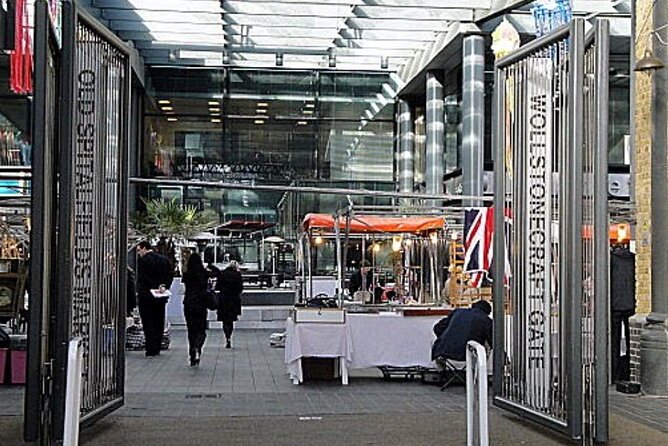
At Fen Gardens, the Gilt of Cain sculpture commemorates the abolition of the transatlantic slave trade. It offers a visible marker of a history that can otherwise feel abstract when told through company names and financial institutions. The stop is listed at about ten minutes, giving the guide room to explain its meaning.
The walk then connects trade and daily life at the Jamaica Wine House, on the site of London’s first coffee house, the Jamaica Coffee House. It was a gathering place linked to the sugar trade and plantations in the West Indies. Coffee houses were not simply places to drink coffee; in this story, the site points to the commercial relationships that helped turn plantation production into metropolitan wealth.
That shift from sculpture to coffee-house history is effective. One stop marks abolition, while the other recalls the business world that benefited from slavery. You can see how the route tries to hold both sides of the history together rather than presenting the City only as a place of wrongdoing or only as a place of progress.
More tours and experiences in London:
- London: The London Eye Entry Ticket
★ 4.6 · 35,875 reviews - From London: Harry Potter Warner Bros Studio Tour
★ 4.7 · 26,588 reviews - London: Madame Tussauds London
★ 4.6 · 20,915 reviews - Stonehenge, Windsor Castle, and Bath from London
★ 4.5 · 18,662 reviews
John Newton at St. Mary Woolnoth
St. Mary Woolnoth is associated with John Newton, an abolitionist who served as rector of the church. The church adds a personal and religious dimension to a walk that otherwise spends much of its time examining trade, companies, and finance.
Newton’s connection is a useful prompt to consider how abolition emerged through people and institutions, not just legislation. The stop is listed at ten minutes, enough to hear why the church matters and how Newton fits into the story. The tour’s route makes this especially striking: a place of worship sits amid streets once shaped by commercial dealings in sugar and enslaved labor.
The Bank of England and its institutional reckoning
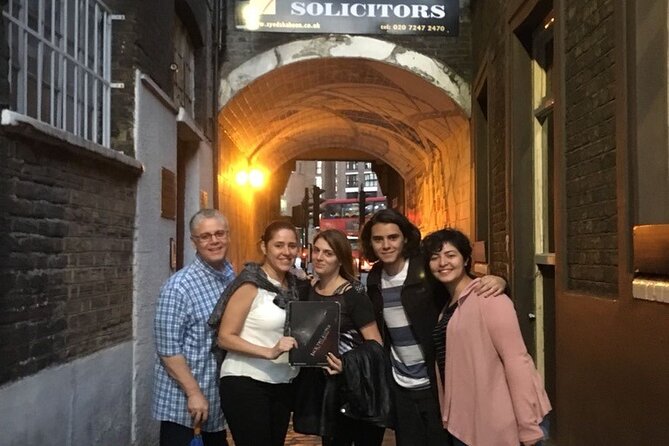
The Bank of England stop brings the story into contact with one of London’s most recognizable financial institutions. The bank has apologized for the involvement of some former directors and governors in the slave trade and promised to remove their statues and paintings from public display in its Threadneedle Street building.
This is a valuable stop because it connects past involvement with how institutions address that past today. The details are specific: the apology and the decision about public displays. That makes the stop more than a general statement about the City’s wealth. You can consider how historical responsibility is acknowledged, and what a bank’s public spaces choose to commemorate.
The stop is listed at 15 minutes, the longest timed stop in the route details. That extra time makes sense for a subject with both historical and contemporary dimensions. If you’re especially interested in Britain’s financial history, this may be one of the most useful parts of the walk.
St. Paul’s, Aldgate, and the route details to check
St. Paul’s Cathedral appears among the tour’s highlights, and the walk’s final listed stop is beside St. Paul’s Underground station. However, the stated end point is Aldgate Station. Since these descriptions do not line up neatly, check the meeting and end details when booking, and don’t assume the cathedral is the final meeting point.
That distinction matters if you’re arranging lunch, onward transport, or another timed activity. The meeting point is Tower Hill at 12:00 pm, while the stated end point is Aldgate High Street. The route is in central London and near public transport, but it’s sensible to confirm exactly where Sam plans to finish on your chosen date.
What the pace, group size, and price mean for you

At $27.43 per person, this is a modestly priced way to get a guided interpretation of the City’s history. You’re paying for Sam’s explanations and the links he draws between sites, not admission to attractions: the stops described are outdoor locations, and no paid entry is specified.
The advertised duration is about 90 minutes, and the group can include up to 35 people. That is large enough to create a social walk, but it may mean you need to stay close to hear every point, especially on busy streets. Some descriptions place the walk closer to two hours, so leave breathing room in your schedule.
The tour is recommended for most participants, and no special admission requirements are listed. The activity depends on good weather, and it can also be canceled if the minimum group size is not met. Booking confirmation is provided at the time of purchase, and free cancellation is available until 24 hours before the start. The experience is booked about 24 days ahead on average, so plan early if your London dates are fixed.
Who will get the most from this walk
I’d choose this tour if you’ve already seen the City’s headline sights and want to understand the history behind its streets and institutions. It also suits anyone who wants a guided introduction to slavery and abolition in Britain, with local sites giving the subject a clear sense of place.
It’s a good fit if you enjoy a guide who ranges beyond the obvious subject. The walk includes Roman and Victorian London, the City’s old boundaries, and details such as a nursery-rhyme landmark noted along the route. These side paths add texture, though they also mean the tour covers a broad span of history in a short time.
You may prefer a longer museum visit or a specialist history lecture if you want extensive detail on any one company, individual, or period. This walk’s strength is connection: it joins sites, people, and trade into one route. Its limit is time, so treat it as a thoughtful overview rather than the last word on the subject.
Should you book the Slavery and City of London Walking Tour?
Book it if you want to look at the City with fresh eyes and understand how slavery, trade, and abolition intersected in London. Sam’s walk makes the subject tangible through places such as the Roman wall, the Jamaica Coffee House site, St. Mary Woolnoth, and the Bank of England.
Before booking, confirm the precise finish point and leave extra time after the walk, since the stated duration and end location vary across the tour details. At this price, it offers strong value for a guided, site-based introduction, especially if you’re ready to engage with a serious subject rather than simply collect landmark photos.
FAQ
Where does the tour start?
The meeting point is Tower Hill, Trinity Square, London EC3N 4TH. The start time is 12:00 pm.
How long does the walk take?
The listed duration is about 90 minutes. Some descriptions put it closer to two hours, so allow extra time before making plans afterward.
Where does the tour finish?
The stated end point is Aldgate Station, Aldgate High Street, London EC3N 1AH. St. Paul’s Cathedral is also named among the landmarks, and the route description refers to finishing near St. Paul’s Underground station, so confirm the exact finish point when booking.
What is the price?
The listed price is $27.43 per person. No paid admission is specified for the stops.
How large is the group?
The maximum group size is 35 people.
Can I cancel if my plans change?
You can cancel up to 24 hours before the start for a full refund. Cancellations or changes made less than 24 hours before the start are not accepted, and bad weather or an unmet minimum group size may lead to another date or a refund.
Just reviewed in London
- Hampton Court Palace 3hr tour: Henry VIII’s & William III’s intriguing Palaces★ 5.0 · 87 reviews
- Fashion History Walking Tour in London★ 5.0 · 10 reviews
- Fast Access Westminster Abbey Private Tour with a London Blue Badge Guide★ 5.0 · 30 reviews
- Explore Windsor Castle and Hampton Court Palace★ 5.0 · 3 reviews
- Private Half-Day Tour of Windsor Castle★ 5.0 · 34 reviews
- Explore the Cotswolds (Private Day Tour from London)★ 4.5 · 15 reviews
- London Private One Day Tour with a Local, Highlights & Off-the-Beaten-Path★ 5.0 · 5 reviews
- Cellar Door Wine Tour from London★ 5.0 · 20 reviews
London Walking Tours, compared.

Magical London: Harry Potter Guided Walking Tour
Read our review →
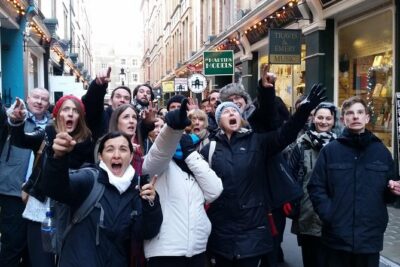
Tour for Muggles The Ultimate Harry Potter Walking Tour in London
Read our review →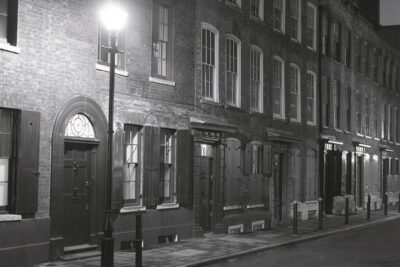
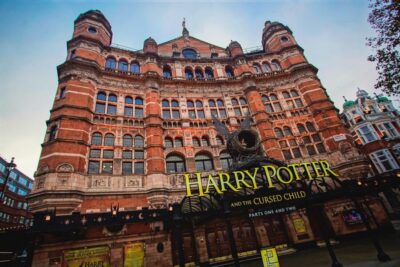
Harry Potter Movies Walking Tour (Kids Go Free)
Read our review →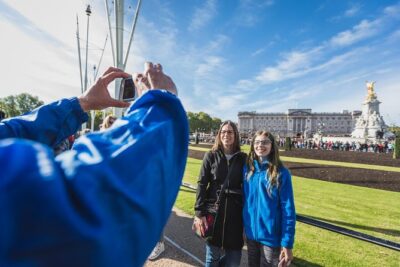
Changing of the Guard Guided Walking Tour in London
Read our review →
The Great British Rock and Roll Music Walking Tour
Read our review →
Jack the Ripper Walking Tour – Ripper Vision Tours
Read our review →Browse the lists this tour appears in