
Reviewed · BRITISH MUSEUM TOURS
London: British Museum Tour with Archaeologist Guide
The British Museum can swallow a whole day and still leave you wondering what you just saw. This 2.5-hour tour gives the collection a human scale, taking you from the Rosetta Stone and Parthenon Marbles to the Lewis Chessmen and Sutton Hoo hoard, with an archaeologist explaining the stories behind the objects.
I like two things especially: the guide links artifacts to the people who made, used, or found them, and the route balances famous works with less familiar pieces. The main trade-off is time. You’ll get a focused introduction, not a full survey of this enormous museum, and busy galleries can make it harder to hear and move around.
- A clear route through a huge museum: Spend 2.5 hours with an archaeologist rather than trying to choose among galleries on your own.
- Famous objects, with context: See the Rosetta Stone, Ramses II, the Parthenon Marbles and more.
- Stories beyond the labels: Hear about the people involved in making and discovering the objects.
- A look at several eras: The route ranges from ancient Egypt and Assyria to Vikings and the Sutton Hoo hoard.
- A practical head start: Museum entry is included, and the group uses a separate entrance to skip the line.
- An early, firm meeting time: Meet at Russell Square Station and be ready to leave promptly at 9:45 am.
A 2.5-hour route through a very big museum
The British Museum’s scale is part of its appeal, and part of the problem. Its collections span centuries and civilizations, so a first visit can turn into a string of crowded rooms and labels that blur together. An archaeologist guide helps you choose what to look at and, just as important, explains why it matters.
The tour begins outside Russell Square Station, where the guide meets you at the entrance holding a tablet marked Spirit of Discovery. From there, it is a five-minute walk to the museum. The group leaves promptly at 9:45 am to meet its entry slot, so arrive in good time rather than treating the stated start as a suggestion.
Once inside, expect a guided selection of major displays rather than a room-by-room march through the whole building. The tour lasts 2.5 hours and finishes at the British Museum. That leaves you there to return to a gallery, spend longer with an object, or keep exploring independently.
Entry to the museum and the guided tour are included in the $58 price. A separate entrance is used to skip the line, which can save time, though it does not mean the galleries themselves will be quiet. The museum can be crowded, and in a busy room you may need to stay close to the guide to hear and follow the explanation.
Egypt’s Rosetta Stone and Ramses II
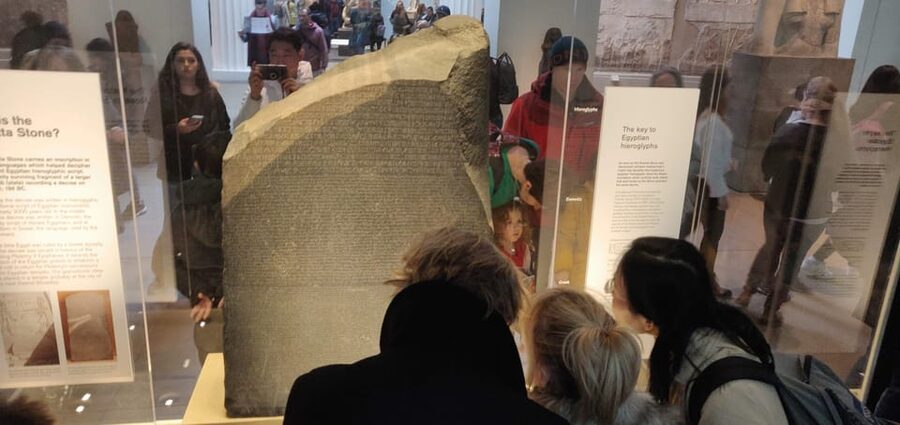
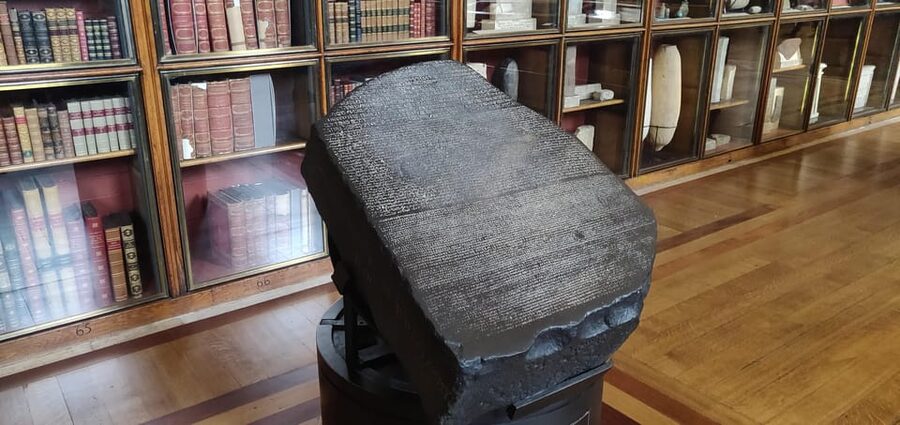
The Egyptian displays give the tour a strong starting point. At the Rosetta Stone, the guide explains how the stone helped scholars make sense of Egyptian hieroglyphs. The object is famous for good reason, but hearing what it did makes it more than a milestone on a museum checklist.
You’ll also see the colossal statue of Pharaoh Ramses II. Its size makes an immediate impression, while the guide’s wider discussion helps place it within the story of ancient Egypt. The tour is not just about naming an object or reading its label. It connects what you see to the civilization and period around it.
That distinction is useful in a museum where many objects compete for attention. A guide can help you focus on a few pieces long enough to understand them, instead of rushing past dozens and remembering little. If Egypt is your main interest, note that this is a broad museum tour, not a specialist visit devoted only to Egyptian galleries.
More British Museum visits in London:
- London: British Museum Guided Tour
★ 4.3 · 1,182 reviews - British Museum London Guided Tour Semi-Private 8ppl Max
★ 5.0 · 984 reviews - London: Tour of the British Museum
★ 4.1 · 678 reviews
Assyrian palaces and the scale of empire
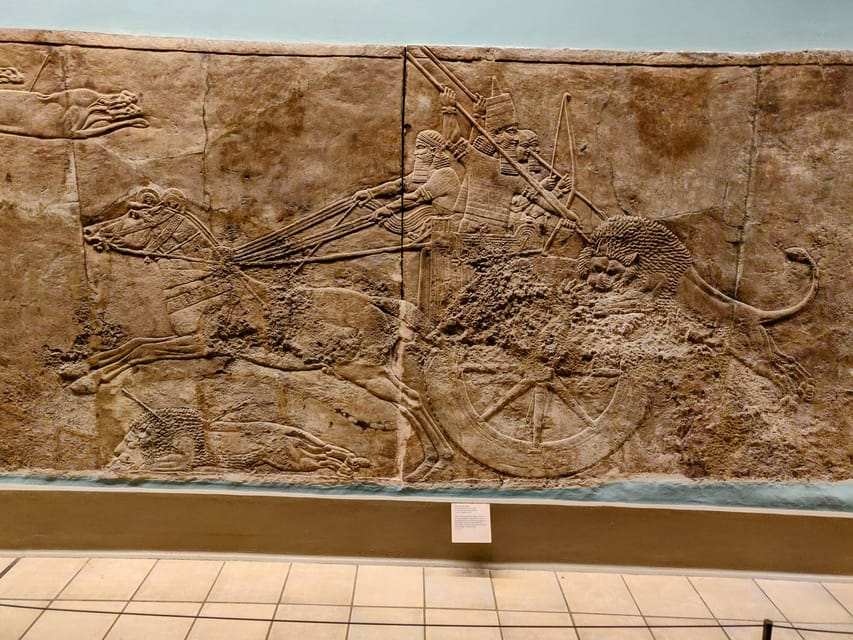
The route also takes in the towering palaces of the Assyrian Empire. These displays offer a change of scale and subject from Egypt, and help show how the museum moves between different cultures and periods.
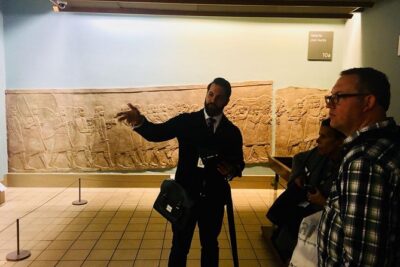
The guide’s strength is linking the objects to the people and events around them. You are not left with a list of dates and names; the explanations put artifacts into a larger historical frame. The archaeologist’s perspective also brings attention to how objects were found and what their recovery can tell us.
There is a limit to how much any guide can cover in two and a half hours. Some explanations may take longer than you would like if you prefer to see as many objects as possible. The tour’s approach favors detail on selected displays over a quick pass through every major room. If you want a broader sweep, plan to stay afterward and explore at your own pace.
The Parthenon Marbles and a famous Greek collection
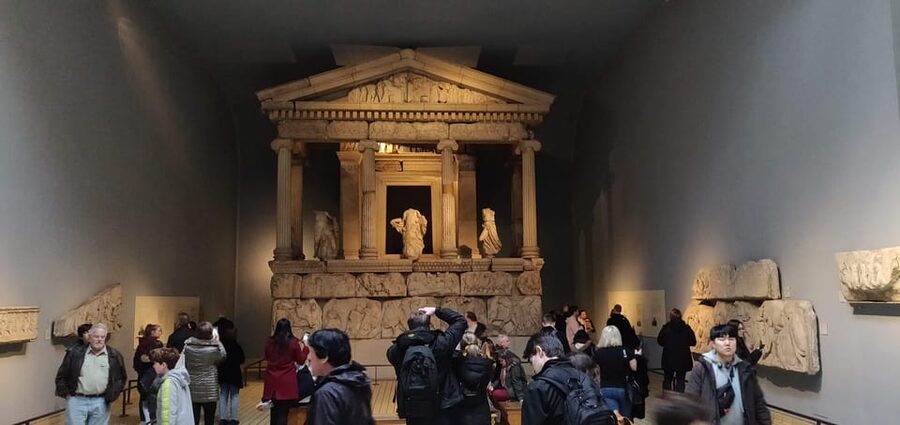
The Parthenon Marbles are among the headline works on the route. Seeing them in person gives you time to look closely, while the guide sets the objects in context and explains their importance. For many visitors, this is one of the pieces they most want to see, and it helps anchor the tour’s ancient Greek section.
The benefit of having a guide here is not simply knowing what an object is. A good explanation can help you see how it fits into a larger story, and can give you useful points to consider as you look. The tour’s emphasis on key objects makes sense in a museum where famous pieces can draw crowds and the labels alone may not hold your attention for long.
The trade-off is familiar: popular displays can be busy. One visitor noted that crowds made it harder to focus and move around. You should expect to share the galleries with other museum visitors, and it is worth keeping water and patience handy.
Aztec treasures, Moai and objects from far beyond Europe
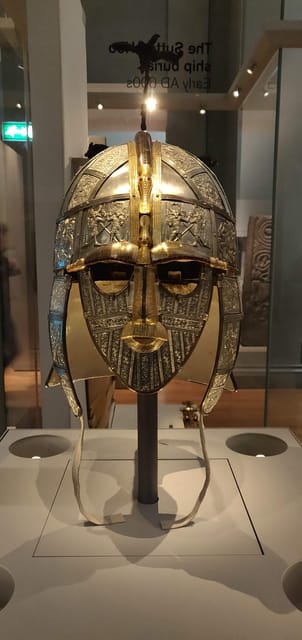
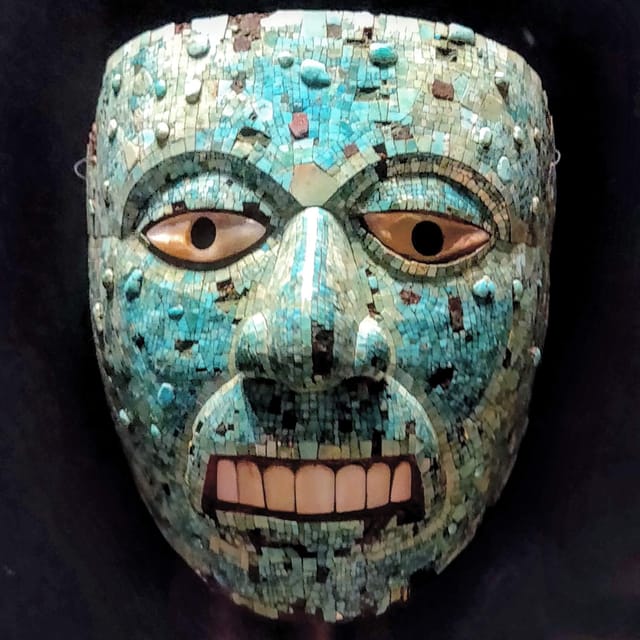
The tour moves beyond the best-known Egyptian and Greek displays. It includes the crown jewels of the Aztec Empire and the enigmatic Moai statues of Easter Island, bringing different cultures and regions into the same visit.
That variety is one of the tour’s strengths. In a short time, you get a sense of the breadth of the museum’s collection and the different worlds represented by its objects. Rather than staying with one era, the route makes connections across centuries and civilizations.
The guide also brings personal favorites into the selection, alongside major pieces. That can make the experience feel less like a standard checklist and more like a guided introduction shaped by someone who knows the collection well. You may see fewer objects than you would on a fast solo walk, but you are more likely to leave with a story attached to the ones you do see.
More museum visits in London:
- Tower of London and Crown Jewels Exhibition Ticket
★ 4.5 · 6,677 reviews - London: Chelsea Football Club Stadium and Museum Tour
★ 4.8 · 4,576 reviews - Chelsea FC Stadium Tours and Museum
★ 5.0 · 1,908 reviews - Official tickets: Moco Modern & Contemporary Art Museum
★ 4.5 · 1,157 reviews
Lewis Chessmen and the Viking Age
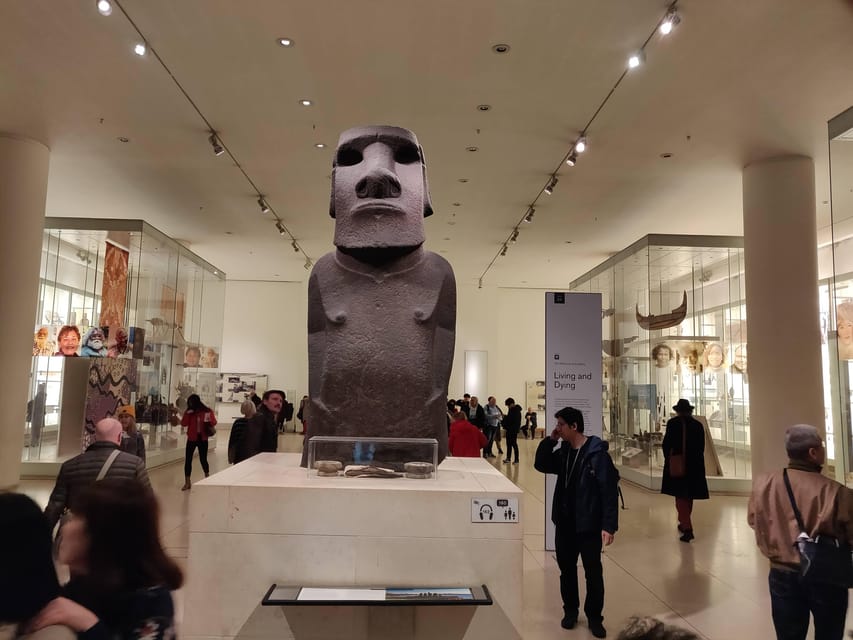
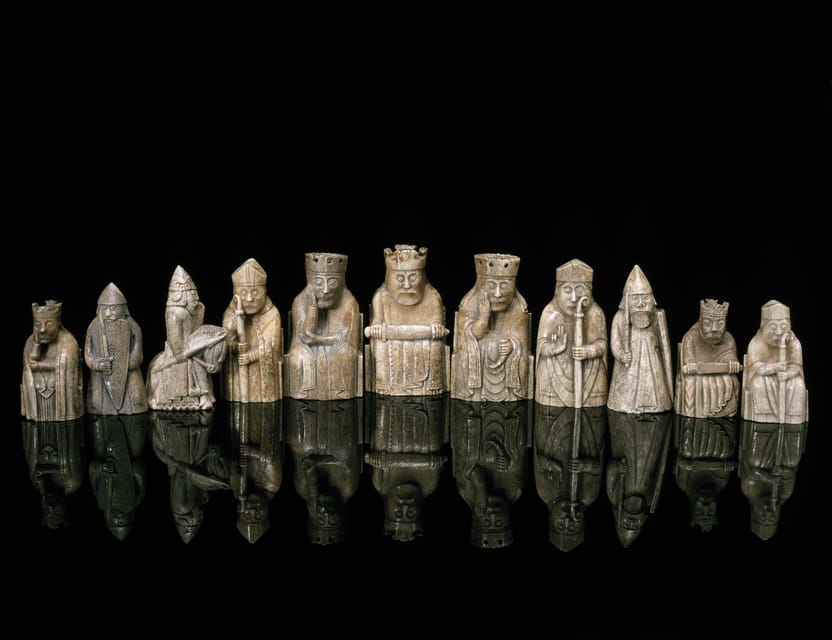
The Lewis Chessmen offer a memorable change of pace. These objects are presented as the most astonishing relics of the Viking Age, and the guide uses them to open up another part of the museum’s history.
This is where a storyteller can make a difference. The tour’s appeal is not only the number of famous objects on the route, but the way the guide connects them to people and periods. The Lewis Chessmen are a good example of how a single display can become a window into a wider era when someone gives you a reason to look closely.
Families may find this style especially helpful. Children aged 12 and 14 enjoyed the tour, and the guide’s stories kept them engaged. That is encouraging if you are visiting with teenagers who might otherwise tire of reading labels, though every child’s interest and stamina is different.
Sutton Hoo and the treasure of King Raedwald
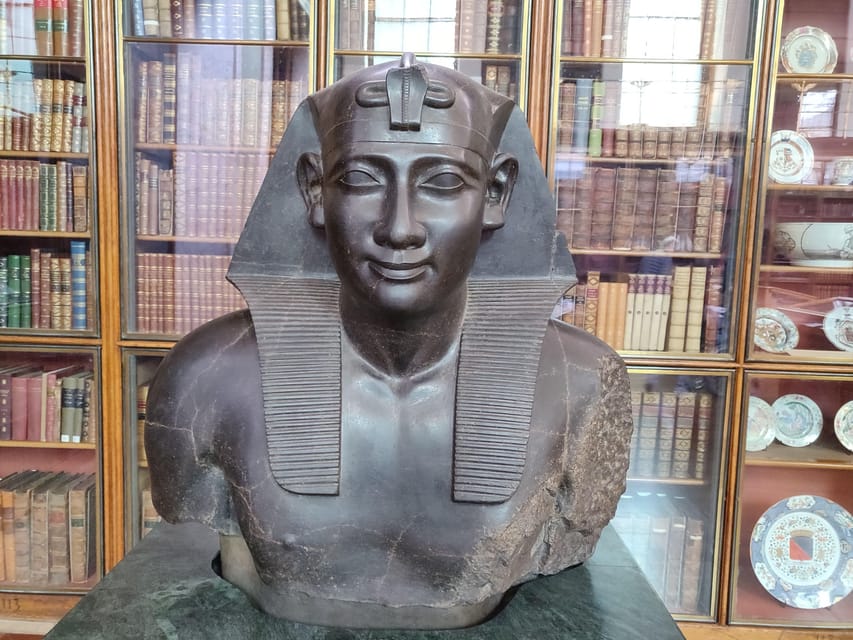
The visit’s later historical stop is the Sutton Hoo hoard, a major treasure trove linked with the mysterious King Raedwald. It offers a rare glimpse into the world of the early medieval period, often called the Dark Ages in the tour description.
The hoard is a strong example of the tour’s focus on both objects and their discovery. The guide tells stories not only about the pieces themselves, but also about the people involved in finding them. That adds another layer: an artifact has a life before it reaches a display case, and its recovery can shape what we know about the past.
If you are especially interested in this period, the tour gives you a useful introduction but cannot cover every detail. Treat the stop as a starting point for further looking, not the last word on Sutton Hoo or the period. The route is designed to connect several civilizations, not to spend the full session in one section.
The archaeologist’s storytelling is the main value
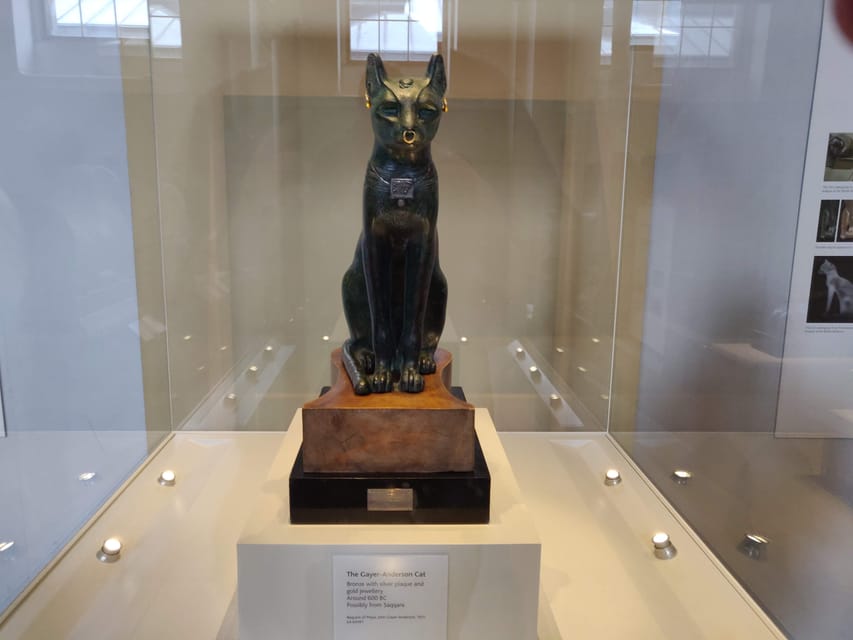
A museum guide is worth paying for when they add more than directions. Here, the archaeologist’s role is to explain how an object relates to its period, why it mattered, and what remains uncertain. The result is a visit with more context than you are likely to get by reading plaques as you walk.
The guide most often named for this tour is Rossa, also identified as Ross Minogue. His approach is described as enthusiastic, clear, and story-led, with detailed answers to questions. A strong speaking voice is an advantage in noisy galleries, where even a fascinating explanation is no help if you cannot hear it.
The pace suits visitors who want depth on a selection of major pieces. Some explanations can run long, which may frustrate you if your priority is to see the greatest possible number of objects. But the tour leaves you at the museum afterward, so you can use the guided portion to get oriented, then spend your remaining time on the areas that interest you most.
Is $58 a fair price?
At $58 per person, this is a paid guided experience at a museum where entry is included. The price buys more than a route through the building: you get an archaeologist’s interpretation, a focused selection of major works and access through a separate entrance. If you have limited time in London, that can be a sensible way to make a vast collection feel manageable.
The value depends on how you like to visit museums. If you enjoy learning from a guide and want stories that connect artifacts to people and events, the cost is easier to justify. If you prefer to wander alone, linger wherever you like, or read every label at your own pace, you may be happier visiting independently.
The tour is also a useful option for families with older children and teenagers, especially if a guided story helps hold their attention. It is in English, wheelchair accessible, and food and drinks are not included. Wear comfortable shoes and bring water. Large bags, luggage, weapons and sharp objects are not allowed.
Should you book this British Museum tour?
Book it if you want a clear, engaging introduction to the British Museum and value having an archaeologist put its best-known objects in context. The Rosetta Stone, Parthenon Marbles, Lewis Chessmen and Sutton Hoo hoard make a strong route, while the guide’s storytelling is the feature that gives the visit its meaning.
Skip it if you want a quiet museum visit, a specialist tour focused on just one culture, or complete freedom to set your own pace. The galleries can be crowded, and a 2.5-hour tour cannot cover everything. For a first visit, or for a short London stay, I’d use the tour to get my bearings, then stay on to explore the museum’s remaining rooms.
FAQ
How long is the tour?
The guided tour lasts 2.5 hours. The walk from Russell Square Station to the British Museum takes about five minutes.
Where is the meeting point?
Meet your guide at the entrance of Russell Square Station. The guide will hold a tablet displaying Spirit of Discovery.
What time does the group leave?
The group leaves promptly at 9:45 am to make its museum entry slot. If you are running late, call the provider to be directed to the group.
Is British Museum entry included?
Yes. Museum entry and the guided tour are included in the $58 per-person price.
Does the tour skip the line?
The group uses a separate entrance to skip the line.
What language is the tour in?
The live tour is in English.
Is the tour wheelchair accessible?
Yes, the activity is listed as wheelchair accessible.
What should I bring?
Wear comfortable shoes and bring water.
Can I bring luggage or a large bag?
No. Luggage and large bags are not allowed. Weapons and sharp objects are also prohibited.
Are food and drinks included?
No. Food and drinks are not included.
Just reviewed in London
- London Royal Tour – Buckingham Palace Entry – 12 guests 2,5h★ 4.9 · 14 reviews
- Royal London Walking Tour★ 3.9 · 11 reviews
- Royal London Tour incl Buckingham Palace & Changing of Guard★ 3.8 · 33 reviews
- London: Royal London Tour★ 3.7 · 46 reviews
- London: Royal Tour with Westminster Abbey & Afternoon Tea★ 3.0 · 3 reviews
- London: Tower of London & Changing of the Guard Experience★ 4.6 · 92 reviews
- London: Professional Private Photoshoot and Edited Photos★ 5.0 · 4 reviews
- London: Kensington Palace Tour, Guard Change & Afternoon Tea★ 4.3 · 22 reviews
British Museum Tours, compared.
British Museum London Guided Tour Semi-Private 8ppl Max
Read our review →
British Museum Audio Tour & Priority Entrance Ticket
Read our review →
The British Museum London – Exclusive Guided Museum Tour
Read our review →
British Museum & National Gallery of London Semi-Private 8ppl Max
Read our review →
British Museum Archaeology Course and Guided Tour
Read our review →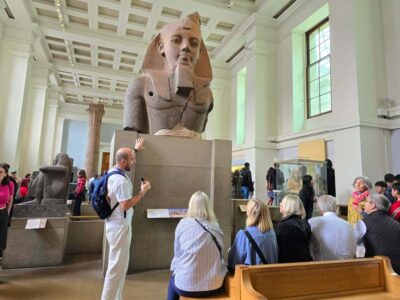
British Museum Guided Tour with Priority Entrance
Read our review →Browse the lists this tour appears in