
Reviewed · BRITISH MUSEUM TOURS
London: British Museum with Expert Guide.
The British Museum can feel like several museums packed under one roof. This 80-minute guided tour gives you a route through headline objects, from the Rosetta Stone to the Parthenon sculptures, with a guide to connect the pieces to the civilisations that made them.
I like two things about this format: you get a brisk introduction to major exhibits, and you can ask questions instead of reading every label alone. The main consideration is time: 80 minutes is enough for highlights, not for a full visit to a museum this large.
Key points to know
- The Rosetta Stone anchors the tour: Learn how the stone helped scholars read ancient Egyptian hieroglyphs.
- Egyptian beliefs take shape through objects: Mummies and coffins introduce burial practices and ideas about life after death.
- The route spans several civilisations: Expect Greek Parthenon sculptures, Assyrian lion hunt reliefs and medieval Lewis Chessmen.
- The guide sets the pace: The tour is designed to explain key objects without trying to cover the entire museum.
- You can stay afterward: The tour ends where it begins, leaving you free to continue exploring on your own.
- It costs $20.20 per person: That is a modest outlay for a focused introduction, particularly if you are short on time.
A short route through a very big museum
The British Museum is in central London and holds objects from many places and periods. Its scale is part of the appeal, but it can also make a first visit hard to plan. You could spend hours walking between galleries and still leave unsure which objects deserve your attention.
This tour solves a specific problem: it gives you a guided path to several famous works and a narrative to tie them together. Instead of treating each display as a separate stop, your guide can explain what an object reveals about the people who made, used or valued it.
The visit lasts 80 minutes and begins at the museum. It is not a full museum tour, and that is worth keeping in mind. Think of it as a strong starting point: see a selection of major exhibits, ask questions, then choose what to revisit or explore next.
The tour is offered in English by Strabo. A guide named Strabo is associated with the experience, and the strongest feature of the guiding is its balance of useful context, clear explanations and a light touch. The guide can also answer questions as you go, which makes the experience more flexible than simply following a fixed audio track.
More British Museum visits in London:
- London: British Museum Guided Tour
★ 4.3 · 1,182 reviews - British Museum London Guided Tour Semi-Private 8ppl Max
★ 5.0 · 984 reviews - London: Tour of the British Museum
★ 4.1 · 678 reviews
Finding the meeting point
There are two museum entrances, so take care to use the Montague Place entrance. The meeting point is outside, by the two stone lions. This clear landmark is helpful, but do not assume both entrances lead to the same meeting spot. Check your route before you set off and allow enough time to find the correct side of the building.
The tour ends back at the meeting point. That makes it easy to continue into the museum afterward, return to a gallery that caught your attention, or browse the gift shop. The tour itself includes a guided visit, not a separate museum shop stop, so treat the shop as an optional extra after the guided portion.
The museum is wheelchair accessible, though some areas may be challenging to navigate. If you use a wheelchair or have particular access needs, it is sensible to check the route and current arrangements before booking. Food and drinks are not allowed in exhibition rooms. Photography is allowed, but flash photography is prohibited.
The Rosetta Stone and the work of translation
The Rosetta Stone is a natural opening point because it gives the guide a clear story to tell: how one object helped scholars understand ancient Egyptian hieroglyphs. The importance of the stone is not only that it is famous. It also shows how studying a written record can change what we know about an entire civilisation.
A guide can help you look beyond the object’s fame and understand why it mattered. You will not need to arrive with specialist knowledge. The useful questions are straightforward: what made the stone important, how did it help with translation, and what changed once hieroglyphs could be read?
This is one of the tour’s practical advantages. In a museum full of objects, it is easy to see the Rosetta Stone, take a photo and move on without understanding its role. A short explanation makes the stop more meaningful, even if you later want to spend more time with the object on your own.
Egyptian mummies, coffins and beliefs about death
The Egyptian section turns from writing to burial customs. The tour includes mummies and coffins, with attention to the rituals and techniques involved in mummification and to Egyptian beliefs about life after death.
This is a useful pairing of objects and ideas. A coffin is not merely a container, and a mummy is not just a preserved body; together, they offer a way to discuss how people prepared for death and what they believed might come afterward. The guide’s role is to make those connections clear without swamping the visit with detail.
If you are visiting with a teenager or a family member who is new to museum tours, this subject can be an engaging entry point. It brings together visible objects and questions about belief, ritual and daily life. The tour’s approach is meant to be accessible, though the time limit means you should not expect an exhaustive account of ancient Egyptian religion or burial practice.
More museum visits in London:
- Tower of London and Crown Jewels Exhibition Ticket
★ 4.5 · 6,677 reviews - London: Chelsea Football Club Stadium and Museum Tour
★ 4.8 · 4,576 reviews - Chelsea FC Stadium Tours and Museum
★ 5.0 · 1,908 reviews - Official tickets: Moco Modern & Contemporary Art Museum
★ 4.5 · 1,157 reviews
Parthenon sculptures and the story of ancient Greece
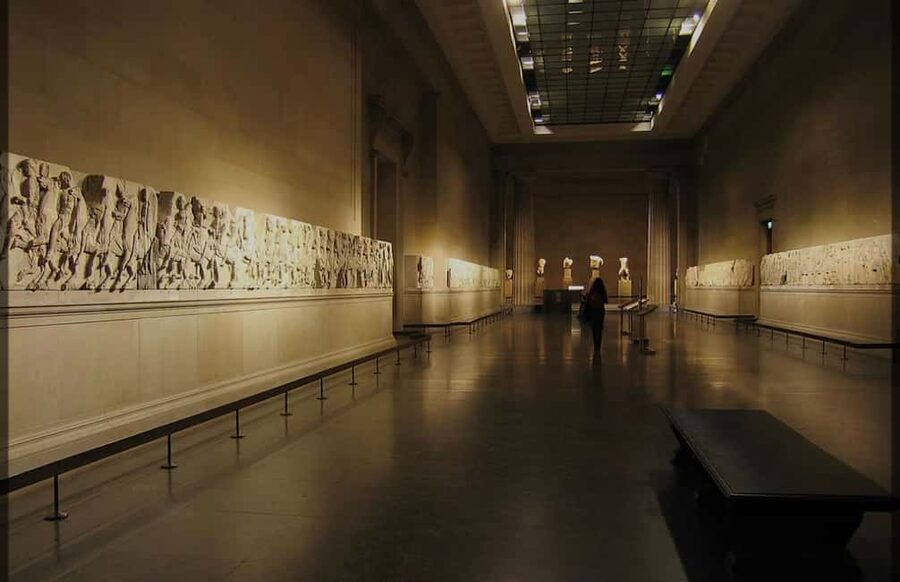
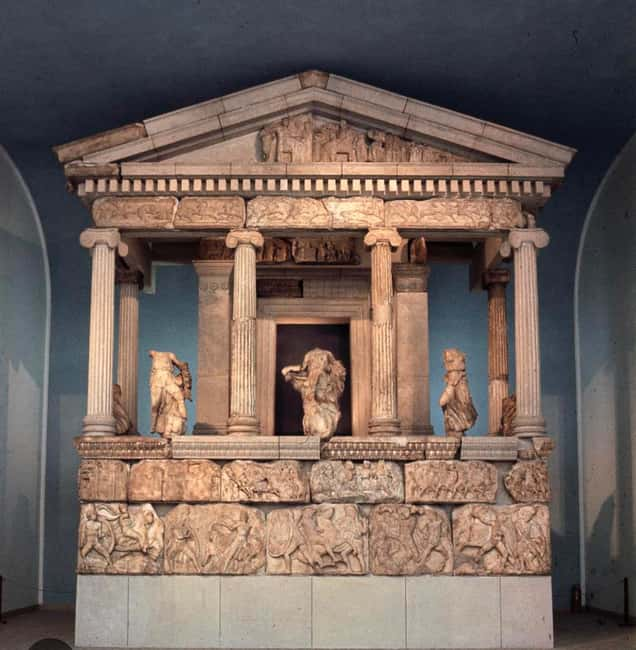
The route also includes sculptures from the Parthenon in Athens, often called the Elgin Marbles. These works date to the fifth century BCE and depict scenes from Greek mythology. Their scale and craftsmanship give you a direct encounter with the artistic ambition of ancient Greece.
The guide can point out what you are looking at and explain how the sculptures relate to Greek culture. That context matters: without it, a display of carved figures can be impressive but hard to read. With a little explanation, you can begin to connect the imagery to the stories and values the works express.
There is also a practical limit to bear in mind. The tour can introduce the sculptures, but 80 minutes does not allow for a long, slow examination of every detail. If Greek art is a particular interest, use the guided stop as an orientation and return afterward at your own pace.
Assyrian lion hunt reliefs and royal power
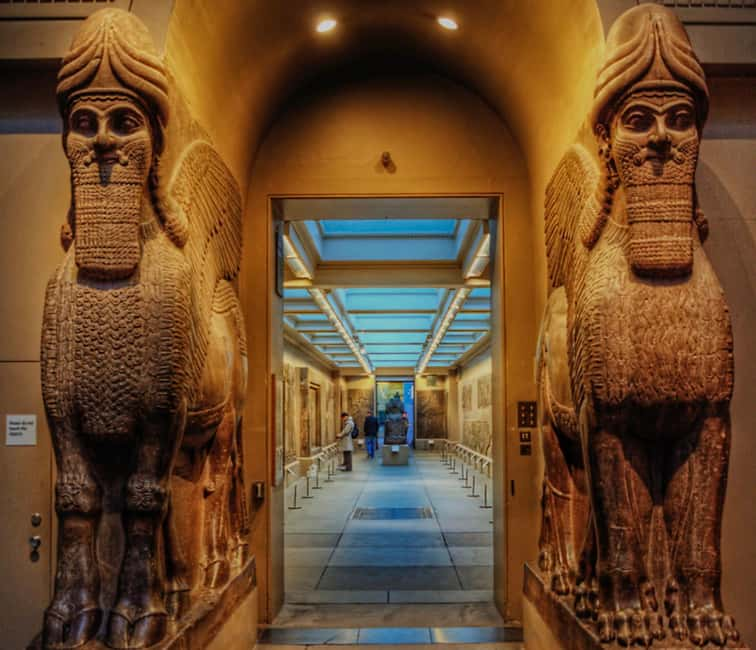
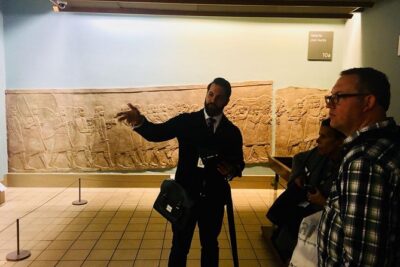
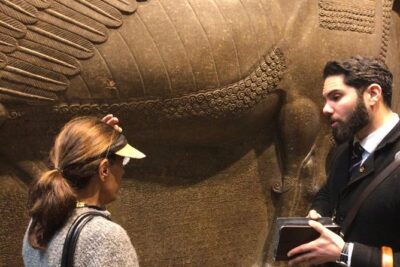
The Assyrian Empire appears through its lion hunt reliefs, intricate carvings that offer a view of royal power and artistic skill. This is a striking contrast with the Egyptian and Greek sections: the objects tell a different story about how a civilisation represented authority and its ruler.
The reliefs reward close looking. Their details are not incidental decoration; they help tell the scene and convey the status of the person at its centre. A guide can help you notice what might otherwise blur into a large carved surface, then place the image within the wider story of Assyria.
This stop also helps the tour avoid becoming a sequence of greatest hits with no connection between them. You are moving across different societies and forms of art, while repeatedly asking what their objects say about belief, power and public life.
Lewis Chessmen and a medieval change of pace
The Lewis Chessmen offer a welcome change from monumental stonework. These carved medieval chess pieces were found on the Isle of Lewis in Scotland, and the tour connects them with Viking culture.
Their appeal is immediate: they are small, intricate and recognisable as game pieces, yet they also carry a story about medieval life and craftsmanship. After the scale of the Parthenon sculptures and Assyrian reliefs, the chessmen invite a closer, more personal kind of looking.
The stop also broadens the tour’s reach beyond ancient Egypt, Greece and Assyria. It shows that the museum’s collection can move across eras and places, even within a short visit. You may want to stay with the display longer than the tour allows, especially if you enjoy the details of carved objects.
A useful guide, not a substitute for exploring
The best case for booking this tour is simple: a good guide turns a list of famous objects into a connected visit. The guiding is described as enthusiastic and clear, with explanations that keep the group moving without burying each stop in facts. The guide can answer questions, and the tone is intended to be friendly rather than formal.
That balance matters in a museum where it is easy to overdo the information. A long account of every object can exhaust you before you reach the next gallery. A focused explanation lets you understand why a piece matters, then leaves room to look for yourself.
The guide also helps with navigation. The British Museum’s breadth can make it hard to decide where to begin, particularly if you have a limited window in London. A planned route to major exhibits gives you a useful framework. You can then use the rest of your visit to follow your own interests rather than trying to see everything.
There is no promise that every tour will include every object in exactly the same order. The listed highlights are the Rosetta Stone, Egyptian mummies and coffins, Parthenon sculptures, Assyrian reliefs and Lewis Chessmen. One account of the experience also mentions seeing Aztec material, so the guide may include additional stops depending on the route and the group’s interests. If a particular object is essential to you, ask the guide rather than assuming it is guaranteed.
Is $20.20 good value?
At $20.20 per person, the price is reasonable for an 80-minute guided introduction to one of London’s major museums. The value is not in gaining access to a vast number of galleries in a short time. It is in having someone select key objects, explain why they matter and help you make better use of your visit.
This is especially useful if you have limited time, feel unsure where to start, or prefer to hear context rather than read every display label. It can also work well as the first part of a longer museum visit. After the tour, you can revisit a favourite stop or keep exploring independently.
On the other hand, if you already know the museum well, prefer to move at your own pace, or want to spend a long time with a small number of objects, a guided route may feel brisk. Eighty minutes is designed for highlights, and the museum contains far more than any short tour can cover. The tour is best understood as an introduction, not a complete account of the collection.
Who should book this tour?
I would consider it a good fit for a first-time visitor who wants a clear path through major exhibits and a human guide to answer questions. It also suits anyone who enjoys the stories behind objects but does not want a lecture packed with detail. The reported guiding style is lively and approachable, and it has worked for groups that include teenagers.
It may be less suitable if you want a slow, self-directed visit or have a very specific gallery in mind that is not among the stated highlights. You can still use the tour as a starting point, but plan to stay afterward if you want more time with particular works.
The format is straightforward: meet outside the Montague Place entrance, take an English-language tour for 80 minutes, then finish back at the meeting point. The museum allows photography without flash, and food and drinks must stay out of the exhibition rooms. Wheelchair access is available, though some areas may be difficult to navigate.
Should you book it?
Book this tour if you want an efficient, guided introduction to the Rosetta Stone, Egyptian burial objects, Parthenon sculptures, Assyrian reliefs and Lewis Chessmen. Its best value is the guide’s ability to add context and keep the visit focused, not the number of rooms covered.
Skip it if you would rather set your own pace from the start or spend most of your time on one subject. For many first visits, though, the guided hour and twenty minutes gives you a useful map of the museum’s collection, and you can carry on exploring once the tour ends.
FAQ
How long is the British Museum tour?
The guided tour lasts 80 minutes. Check availability for the starting times offered on your date.
Where does the tour meet?
Meet outside the Montague Place entrance, by the two stone lions. The museum has two entrances, so use the Montague Place one for the meeting point.
Where does the tour end?
The activity ends back at the meeting point.
What language is the tour in?
The live guide speaks English.
Which museum objects are included?
The tour highlights the Rosetta Stone, Egyptian mummies and coffins, Parthenon sculptures, Assyrian lion hunt reliefs and Lewis Chessmen.
Is the museum wheelchair accessible?
Yes. The museum is wheelchair accessible, though some areas may be challenging to navigate.
Can I take photographs inside?
Yes. Photography is allowed, but flash photography is prohibited.
Can I bring food or drinks into the exhibition rooms?
No. Food and drinks are not allowed inside the exhibition rooms.
Just reviewed in London
- London Royal Tour – Buckingham Palace Entry – 12 guests 2,5h★ 4.9 · 14 reviews
- Royal London Tour incl Buckingham Palace & Changing of Guard★ 3.8 · 33 reviews
- Royal London Walking Tour★ 3.9 · 11 reviews
- London: Royal London Tour★ 3.7 · 46 reviews
- London: Royal Tour with Westminster Abbey & Afternoon Tea★ 3.0 · 3 reviews
- London: Tower of London & Changing of the Guard Experience★ 4.6 · 92 reviews
- London: Kensington Palace Tour, Guard Change & Afternoon Tea★ 4.3 · 22 reviews
- London: Professional Private Photoshoot and Edited Photos★ 5.0 · 4 reviews
British Museum Tours, compared.
British Museum London Guided Tour Semi-Private 8ppl Max
Read our review →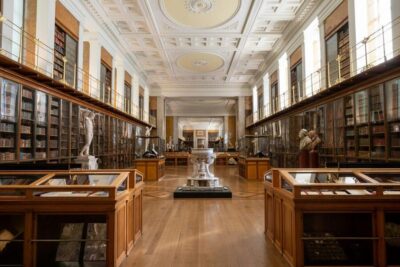
British Museum Audio Tour & Priority Entrance Ticket
Read our review →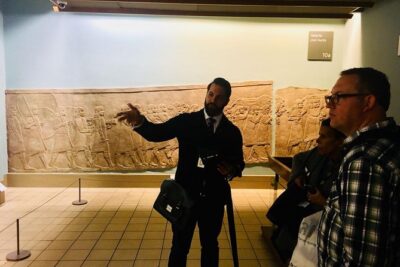
The British Museum London – Exclusive Guided Museum Tour
Read our review →
British Museum & National Gallery of London Semi-Private 8ppl Max
Read our review →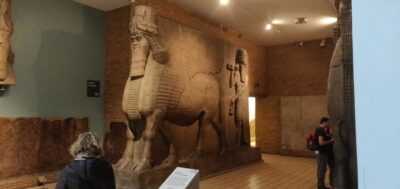
British Museum Archaeology Course and Guided Tour
Read our review →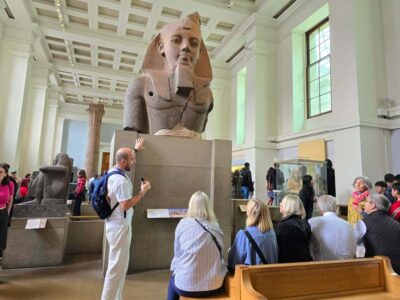
British Museum Guided Tour with Priority Entrance
Read our review →Browse the lists this tour appears in