
Reviewed · MUSEUMS
London Transport Museum Entrance Ticket
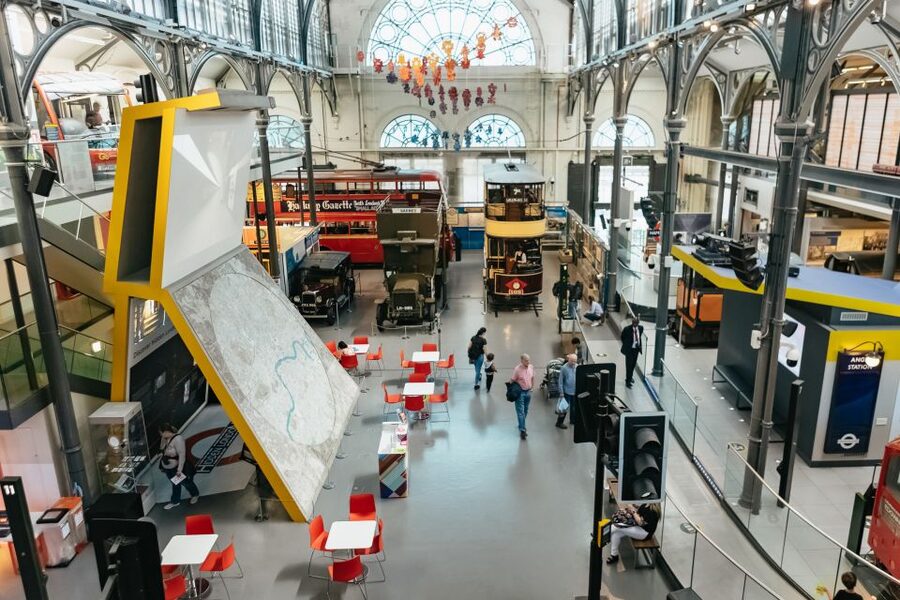
London’s transport story is also London’s story: the Underground, buses and railways helped shape how the city grew and how people move through it today. At Covent Garden’s London Transport Museum, you can follow that change from horse-drawn buses to the modern Elizabeth line.
I like two things especially: the original transport vehicles make the past feel tangible, and the poster gallery shows how public information became a distinctive part of London’s visual identity. The hands-on train activities add appeal for children and curious adults alike.
One consideration: the interactive areas can get noisy and busy, particularly on weekends and during school holidays. If you prefer a quieter museum visit, choose a weekday if you can.
What to know before you go
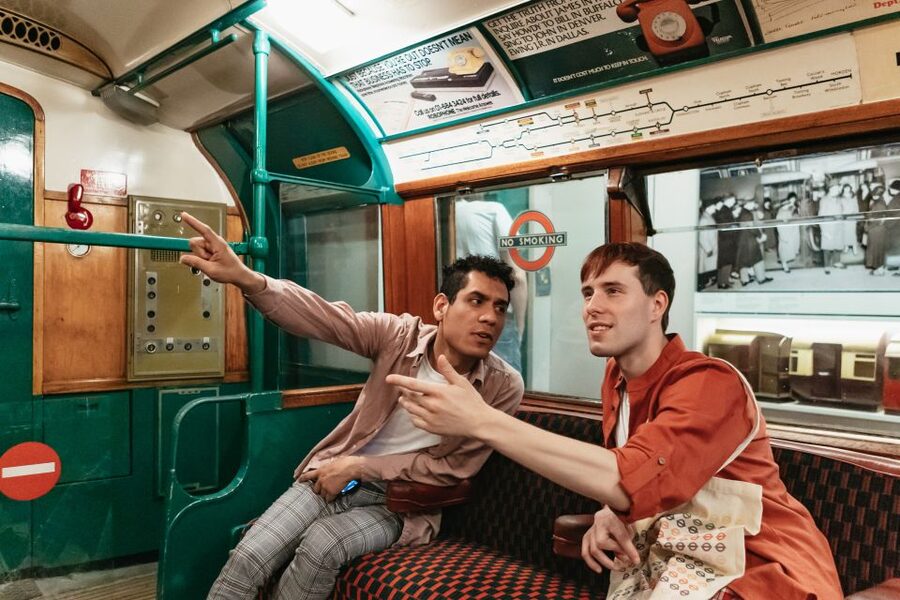
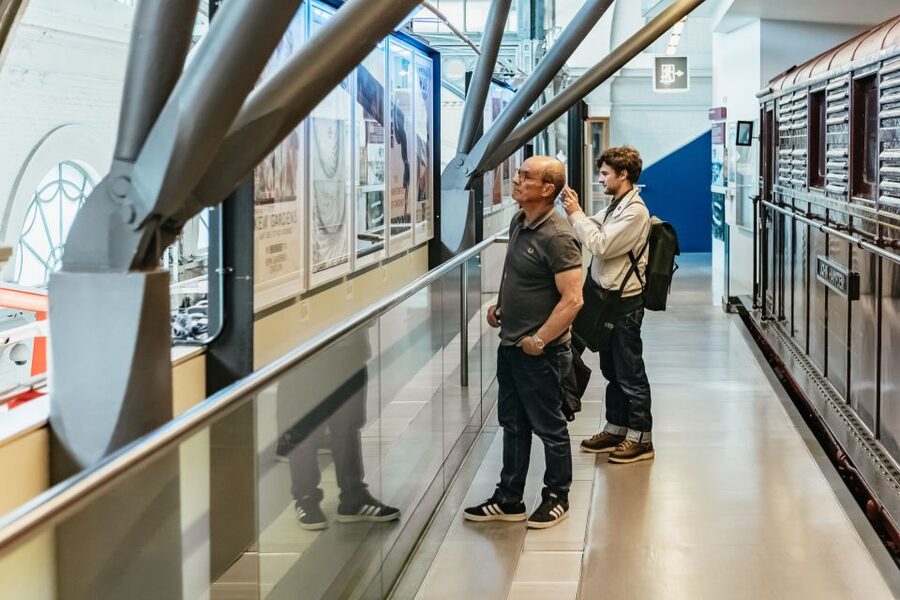
- See early Underground trains: The displays include the world’s first underground steam train and an electric Tube railway.
- Follow London’s growth: Vehicles, photographs and objects connect transport changes to the development of the city.
- Look for the design story: The Global Poster Gallery has more than 100 poster artworks and is included with admission.
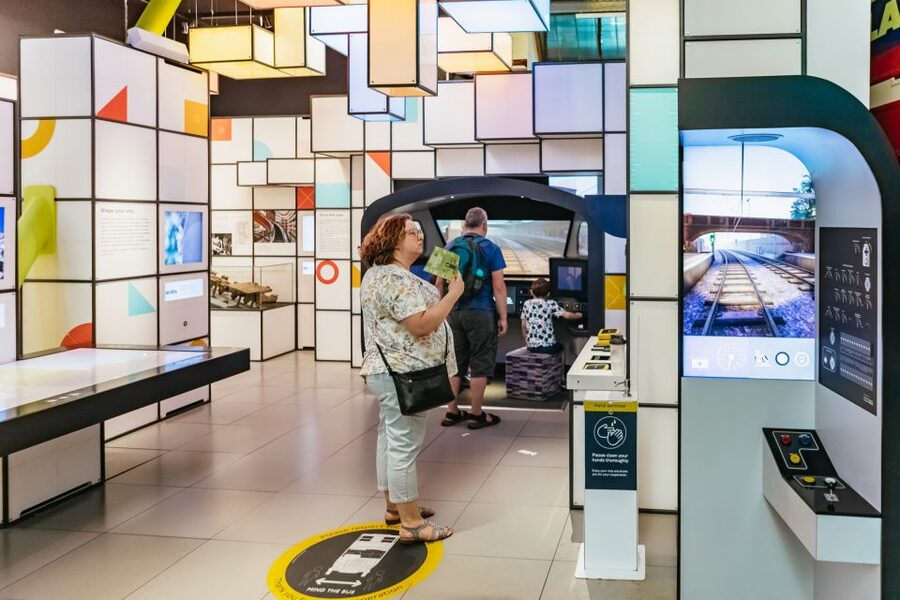
- Try the train simulator: A Future Engineer activity lets you take the controls of a simulated Elizabeth line train.
- Plan for your pace: A quick visit may take about 1 to 1.5 hours; a closer look can fill 3 to 4 hours.
- Keep bags small: Luggage and large bags are not allowed. Stroller parking is available.
Start with the vehicles that changed London
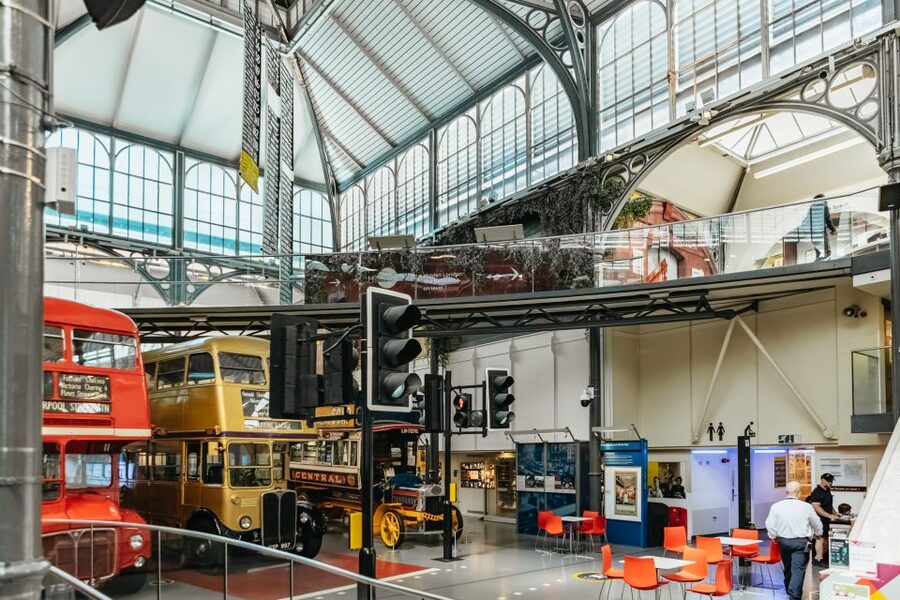
The museum sits in Covent Garden, a central location that makes it easy to pair with other nearby plans. Inside, the displays trace how London moved from horse-drawn buses toward the underground railway and the network of buses, trams and trains that followed.
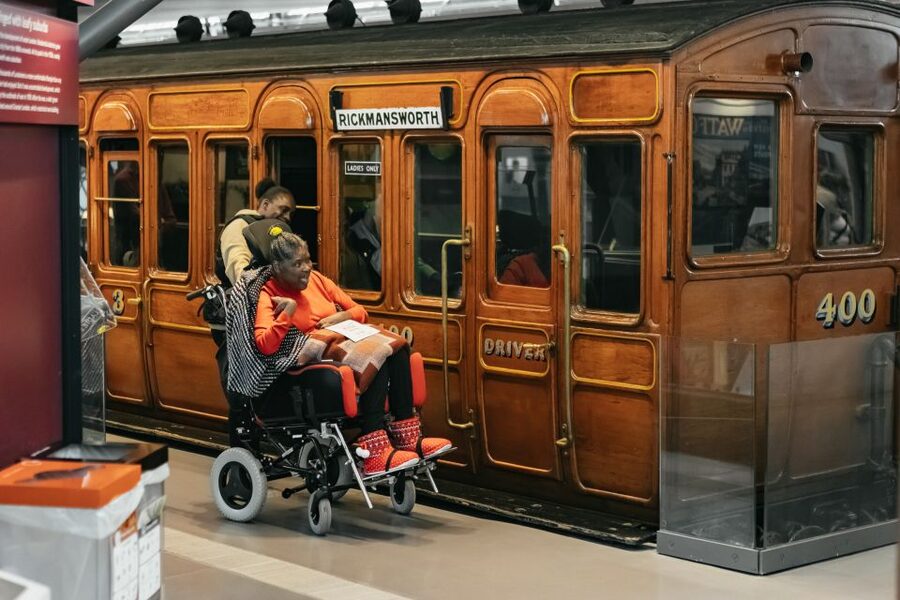
The large vehicles help anchor the story. Rather than seeing transport history only through dates and diagrams, you can look closely at the machines themselves and consider the practical problems they were built to solve. The museum’s collection includes the world’s first underground steam train and an electric Tube railway, two milestones that make the early Underground’s development especially clear.
That progression matters because London’s transport system was not simply a response to a growing city. It also helped the city grow, connecting districts and changing how people travelled for work and leisure. As you move through the displays, keep an eye on how each new form of transport reflects a different stage in London’s expansion.
The museum is not a ride through the city, and it does not replace a live Tube journey. Its value is in explaining the vehicles and ideas behind the network you may use every day on your London visit. If you arrive already curious about the Tube, you will find plenty to connect with; if you are not, the scale and variety of the exhibits make a useful introduction.
More museum visits in London:
- Tower of London and Crown Jewels Exhibition Ticket
★ 4.5 · 6,677 reviews - London: Chelsea Football Club Stadium and Museum Tour
★ 4.8 · 4,576 reviews - Chelsea FC Stadium Tours and Museum
★ 5.0 · 1,908 reviews
Trace the route from horse-drawn buses to the Tube
A good way to approach the museum is to follow the transport timeline rather than treating each object as a separate display. Begin with the earlier forms of city travel, including horse-drawn buses, then watch the story move toward underground railways and electric trains.
The shift underground is the central turning point. London’s first underground railway used steam trains, an idea that can seem surprising now, while later electric railways brought a different kind of service. Seeing these stages together helps you understand that the familiar Tube did not arrive fully formed. It developed through experimentation and changing technology.
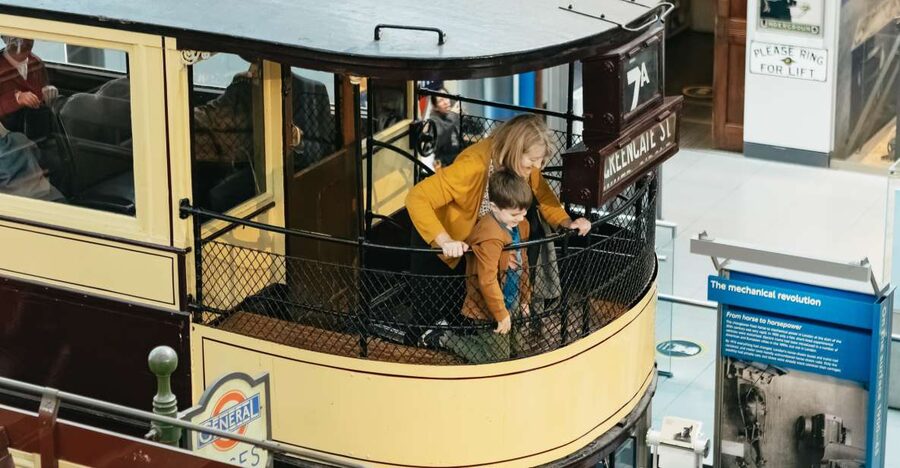
You will also find displays about trams and buses, which broaden the picture beyond the Underground. That is useful: London’s transport identity is not just a map of coloured Tube lines. Street-level vehicles and rail services each played a part in linking neighbourhoods and shaping the daily rhythm of the capital.
Some of the displays are especially engaging for children because they can interact with parts of the transport story rather than simply read about it. Activities have included working with rail switches and exploring a brake-pad change. If you are visiting with younger children, these hands-on stops can break up the reading and keep the visit moving.
Read the Underground map as a design classic
The museum also follows the development of London transport’s visual identity. The familiar roundel, often called the bullseye logo, and the diagrammatic Tube map are not just decoration. They help people make sense of a large, complicated system, and they have become images closely linked with London itself.
You can learn about the creation of the Underground map and see how transport design communicates information quickly. That makes this section worthwhile even if you are not usually drawn to graphic design. The map is a practical tool, but it is also a design solution: it simplifies a complex network so you can plan a journey at a glance.
The Global Poster Gallery offers a wider look at commercial poster art and design. Opened in October 2023, this permanent gallery displays more than 100 poster artworks and posters. Admission is included with your museum ticket, so you can take your time here without needing to pay for a separate exhibition.
Its How to Make a Poster exhibition explores how posters were commissioned and created in the pre-digital era from 1900. The focus gives you a glimpse of the creative process behind the finished images, rather than leaving you with a wall of attractive designs and no context. If you have limited time, make room for this gallery: it adds a different kind of interest to the vehicle displays.
Make time for the Elizabeth line simulator
The Future Engineer activity gives you the chance to simulate driving a modern Elizabeth line train. It is a clear contrast with the historic vehicles elsewhere in the museum, and it helps connect the transport story to the system London uses now.
The simulator is one of the reasons this museum works for mixed-age groups. A child can focus on operating the train, while an adult can take in the contrast between early railway technology and a modern rail service. The museum also has other interactive activities and a play area for small children, so you do not need to rely on the simulator alone to hold a young visitor’s interest.
Do not plan your whole visit around one activity, though. The museum’s appeal comes from the mix: vehicles, design, historical objects and opportunities to try things out. The hands-on parts can be popular, and at busy times you may need patience. A weekday visit may suit you better if you want more room to read and explore at an unhurried pace.
Families are the clearest fit, but this is not only a children’s museum. Adults interested in the Tube, London’s development or poster design can spend time with the exhibits on their own terms. If you prefer a quiet, text-heavy museum, the sound of children at play may be a drawback, particularly at weekends.
More tickets in London:
- London: The London Eye Entry Ticket
★ 4.6 · 35,875 reviews - London: Tower Bridge Entry Ticket
★ 4.7 · 15,560 reviews - London: St Paul’s Cathedral Entry Ticket
★ 4.7 · 9,813 reviews - London: London Eye and Madame Tussauds Combo Ticket
★ 4.7 · 7,428 reviews
Choose a visit length that suits your interests

The ticket gives you a day at the museum, but your actual visit can be much shorter or longer. If you want to see the main vehicles, get a sense of the transport timeline and try a few interactive exhibits, around 1 to 1.5 hours may be enough.
Allow 3 to 4 hours if you want to read the displays in detail, spend time in the poster gallery and let children try several activities. The museum is described as a compact attraction, but the hands-on areas and family-friendly displays can easily stretch a visit. Your pace will depend on how much you stop, not only on the size of the building.
The museum closes at 6:00 PM, and last entry is at 5:00 PM daily. Arriving late in the afternoon limits the time you have to explore, so aim for earlier if you want to take in the full collection. If you are visiting with a stroller, parking is available; leave luggage and large bags elsewhere, since they are not allowed.
The listed price is $33 per person. Whether that feels worthwhile depends on your interests and how long you stay. For a family that uses the play areas, interactive exhibits and vehicle displays, there is enough variety to make a substantial outing. If you only want a quick look at the main historic trains, the cost may feel higher for a short visit.
Admission includes temporary exhibitions, and the Global Poster Gallery is included too. That breadth gives the ticket more value than a visit focused on a single vehicle or room. You can also reserve now and pay later, with free cancellation up to 24 hours in advance for a full refund, which helps if your London plans are still taking shape.
Who will get the most from the museum
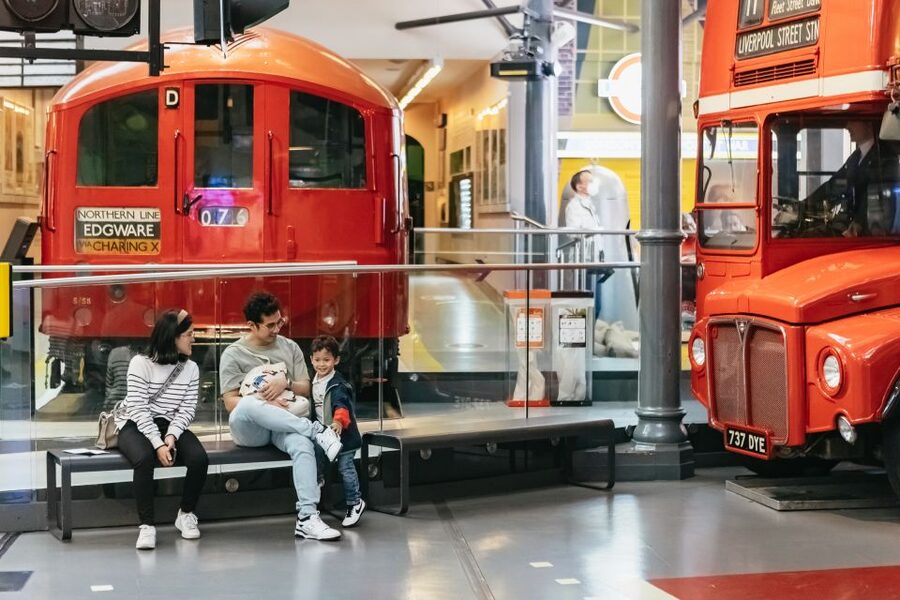
I would put this high on the list for families with children who enjoy vehicles, buttons and practical activities. The museum combines learning with play, and the range of displays can work for different ages in the same group. It suits grandparents visiting with grandchildren too, since the old buses, trains and transport objects offer plenty to talk about across generations.
It is also a good choice for anyone who wants to understand why London’s transport system looks and works as it does. The collection puts engineering, urban growth and public design in the same place. You leave with more than a few old vehicle photographs: you have a clearer sense of how transport shaped the city and how its symbols became familiar around the world.
If you are travelling without children, go with realistic expectations about the atmosphere. The exhibits are informative and the poster gallery offers a calmer change of pace, but active play areas can make the museum loud. A weekday or a quieter time of day is the sensible choice if that matters to you.
Should you book the London Transport Museum?
Book it if you want a central London attraction with genuine transport history, strong visual design and things to do rather than only read. The early Underground trains, poster collection and Elizabeth line simulator make a varied visit, while the children’s play and interactive areas give families a practical reason to stay.
Skip it if you want a quiet museum with no child-focused activity, or if your schedule allows only a brief stop and the subject does not interest you. For most families and anyone curious about the Tube, the city’s buses or London graphic design, it is a well-rounded way to spend a few hours in Covent Garden.
FAQ
Where is London Transport Museum?
It is in Covent Garden, in central London.
How long should I allow for a visit?
The ticket is for one day. A shorter visit can take about 1 to 1.5 hours, while seeing the displays in detail may take around 3 to 4 hours.
What does the admission ticket include?
It includes museum entry and access to temporary exhibitions. The Global Poster Gallery is also included with museum admission.
What can I see at the museum?
The collection includes historic London transport vehicles, the world’s first underground steam train, an electric Tube railway, posters and objects that tell the story of transport in the city.
Is there an activity for children?
Yes. The museum has interactive exhibits, a Future Engineer simulation of driving an Elizabeth line train, and a play area for small children.
Is the museum wheelchair accessible?
Yes, the activity information describes the museum as wheelchair accessible.
Can I bring a large bag or stroller?
Luggage and large bags are not allowed. Stroller parking is available.
Just reviewed in London
- Welcome to Paris Day Trip from London via Train★ 4.5 · 124 reviews
- London: Self-Guided Notting Hill Walking Tour with an APP★ 4.3 · 120 reviews
- Photoshoot at Notting hill,Covent Garden,St Paul Cathedral★ 4.4 · 12 reviews
- London: The Shard Entry Ticket with Champagne★ 4.5 · 147 reviews
- London: Full Day Tower, St. Paul’s, Cruise & Eye Experience★ 4.6 · 168 reviews
- Paris Explorer Rail Tour from London with Paris Sightseeing Bus★ 4.0 · 111 reviews
- London: Private Landmark Tour with Professional Photographer★ 4.7 · 91 reviews
- London: Private Photoshoot with Video Clip Option★ 4.8 · 182 reviews
Museums, compared.

Tower of London and Crown Jewels Exhibition Ticket
Read our review →
Chelsea Football Club Stadium and Museum Tour
Read our review →

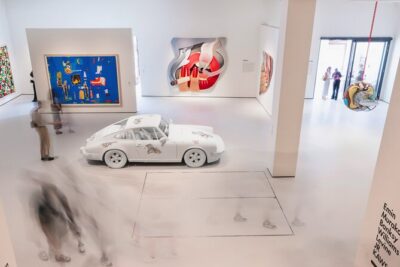
Official tickets: Moco Modern & Contemporary Art Museum
Read our review →
British Museum London Guided Tour Semi-Private 8ppl Max
Read our review →

British Museum Audio Tour & Priority Entrance Ticket
Read our review →Browse the lists this tour appears in